A Dialogue in Abstraction: Joseph Drapell and Henry Saxe
The history of abstraction in Canada has often unfolded through conversations—between artists, cities, and evolving ideas about form and perception. Few pairings illustrate this dialogue more clearly than Joseph Drapell and Henry Saxe, two artists whose careers have shaped the course of Canadian abstraction for more than half a century. Though working in different mediums—painting and sculpture—their practices share a deep commitment to the physical and visual power of abstraction.
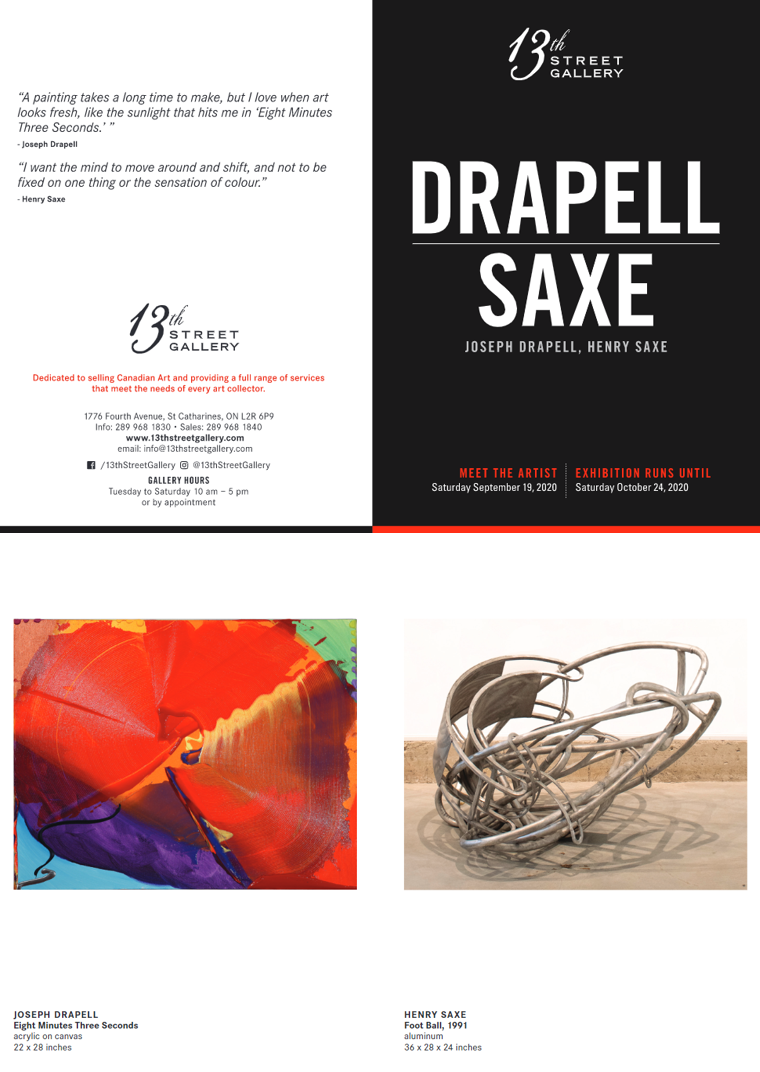
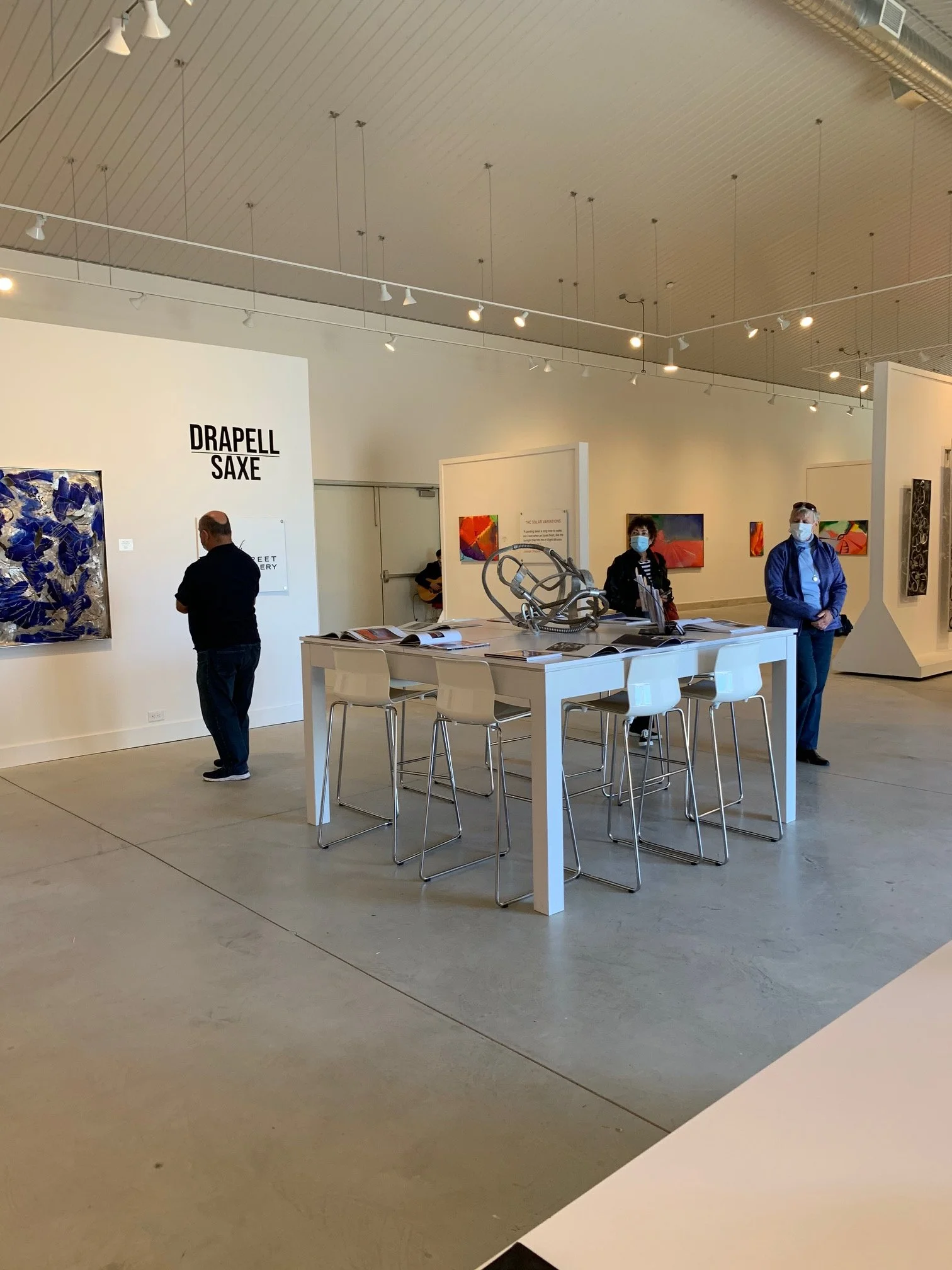
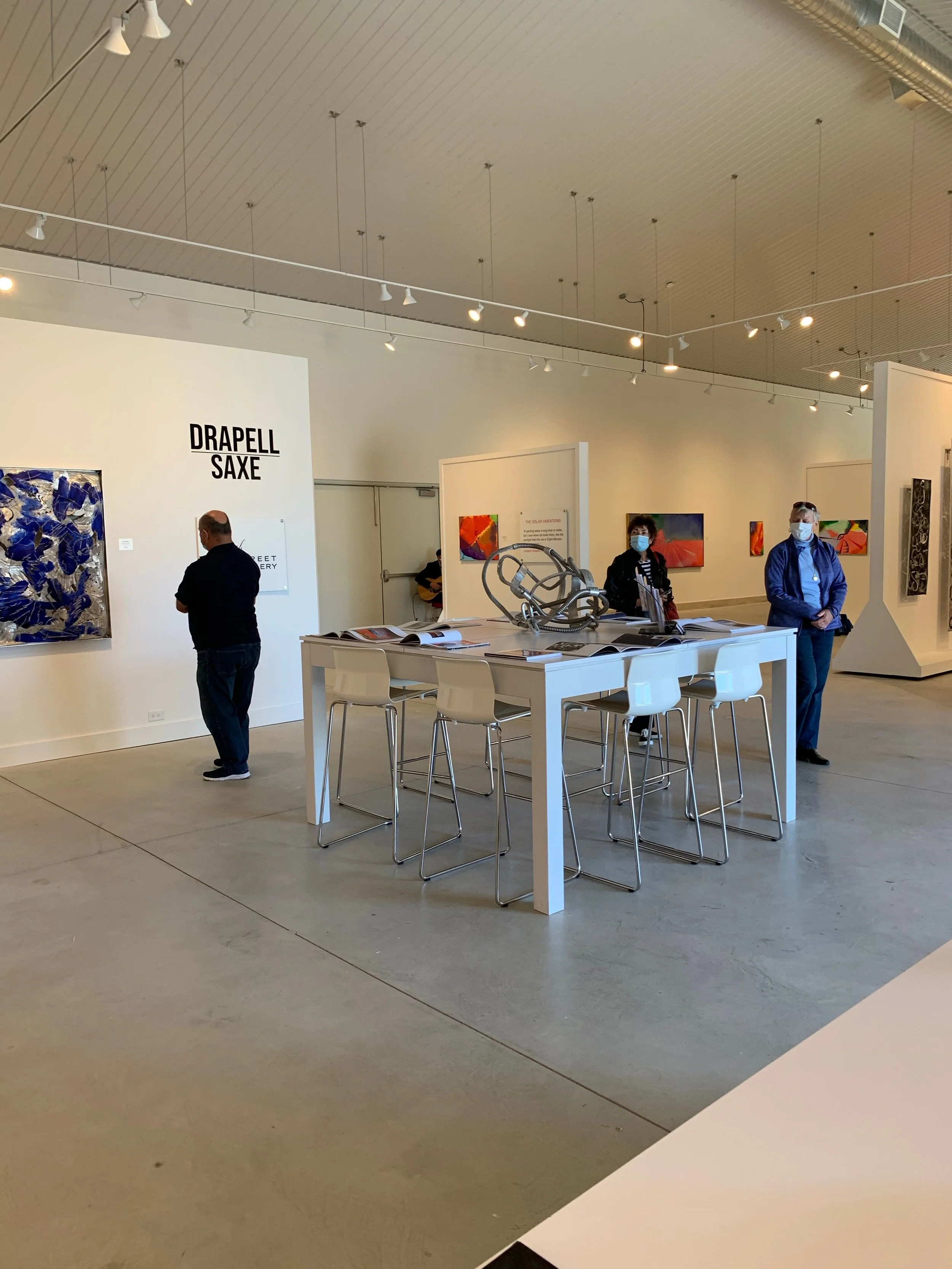
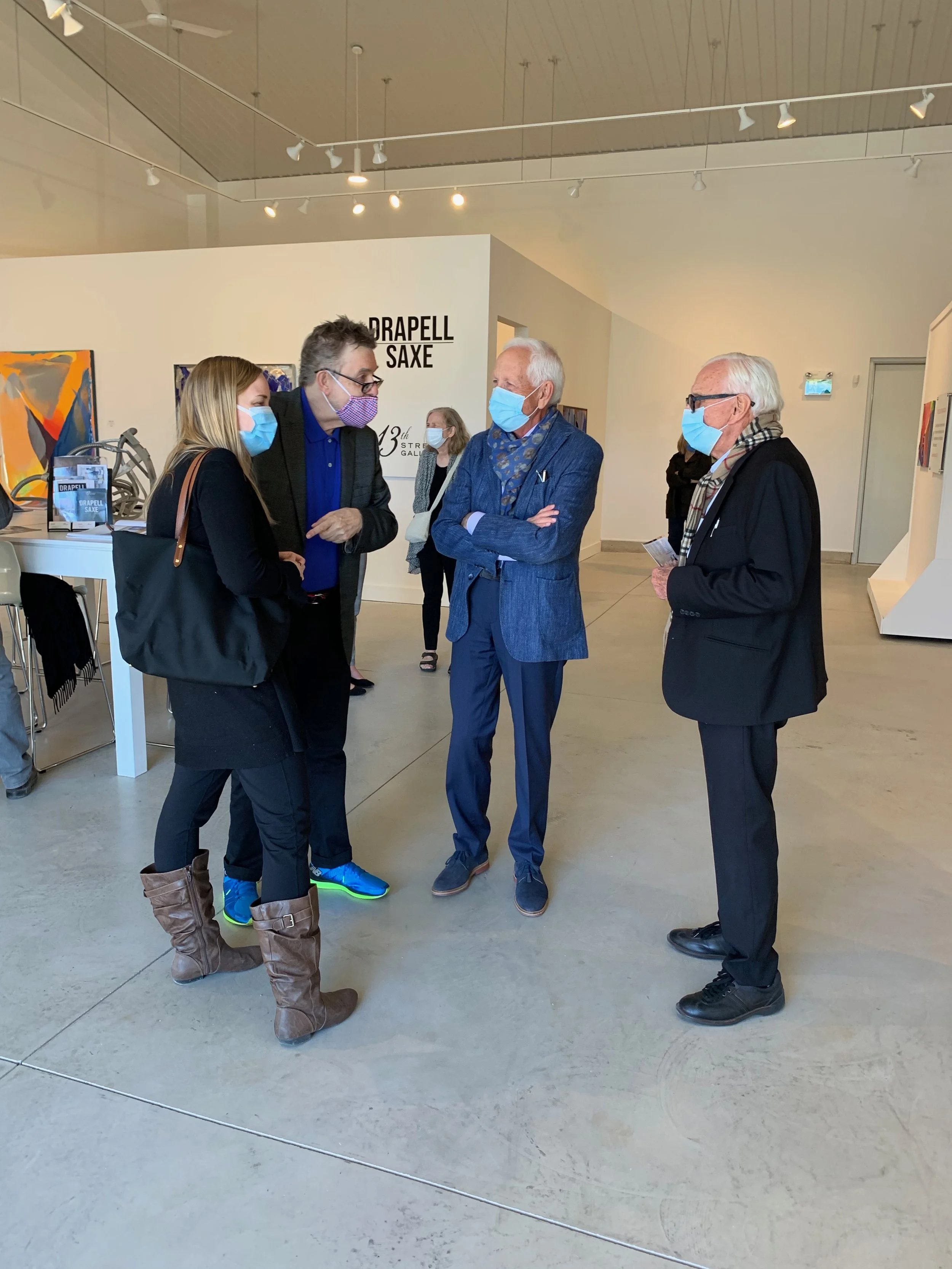
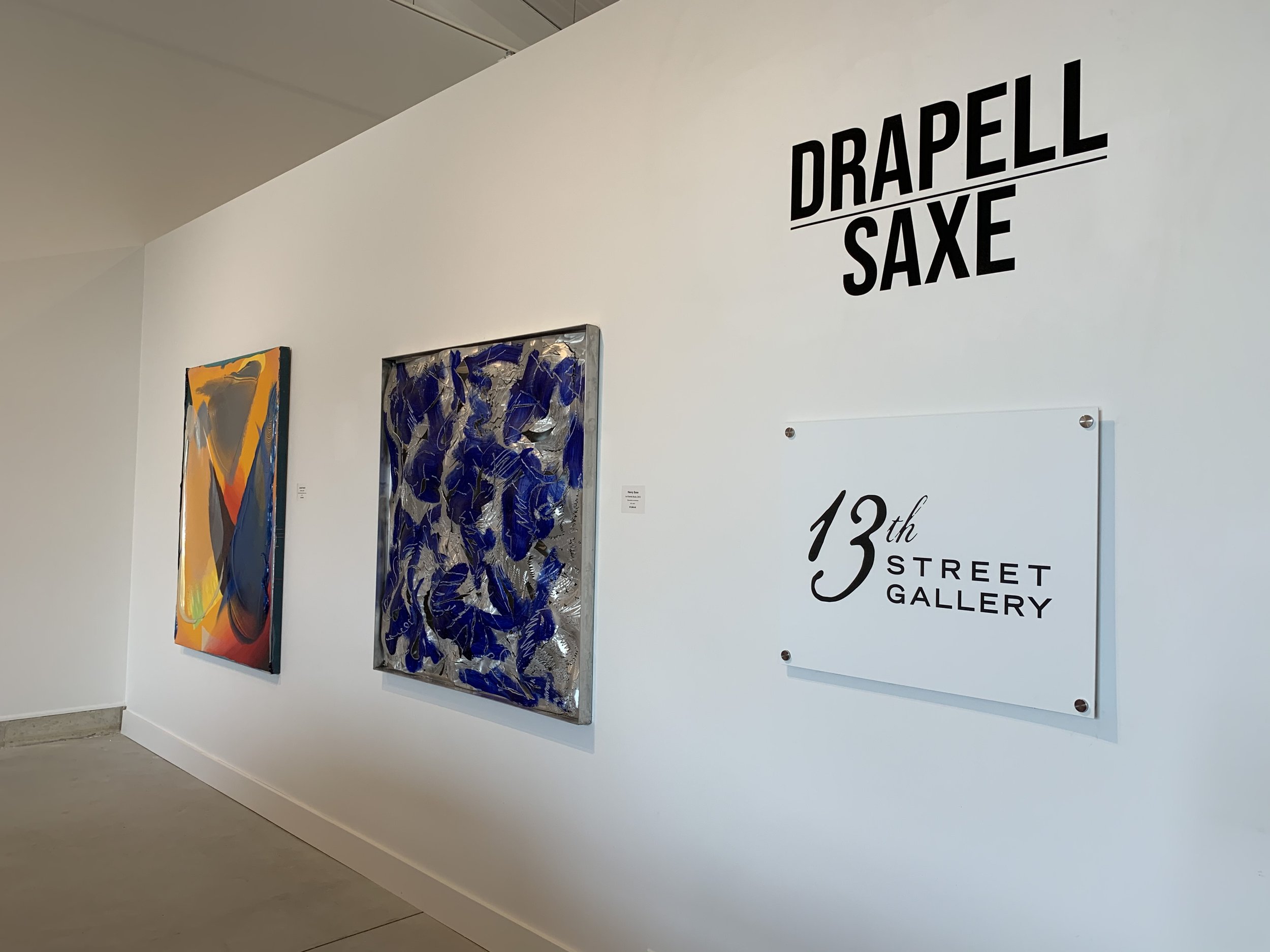
DRAPELL/SAXE Exhibition
September 19 to October 24, 2020
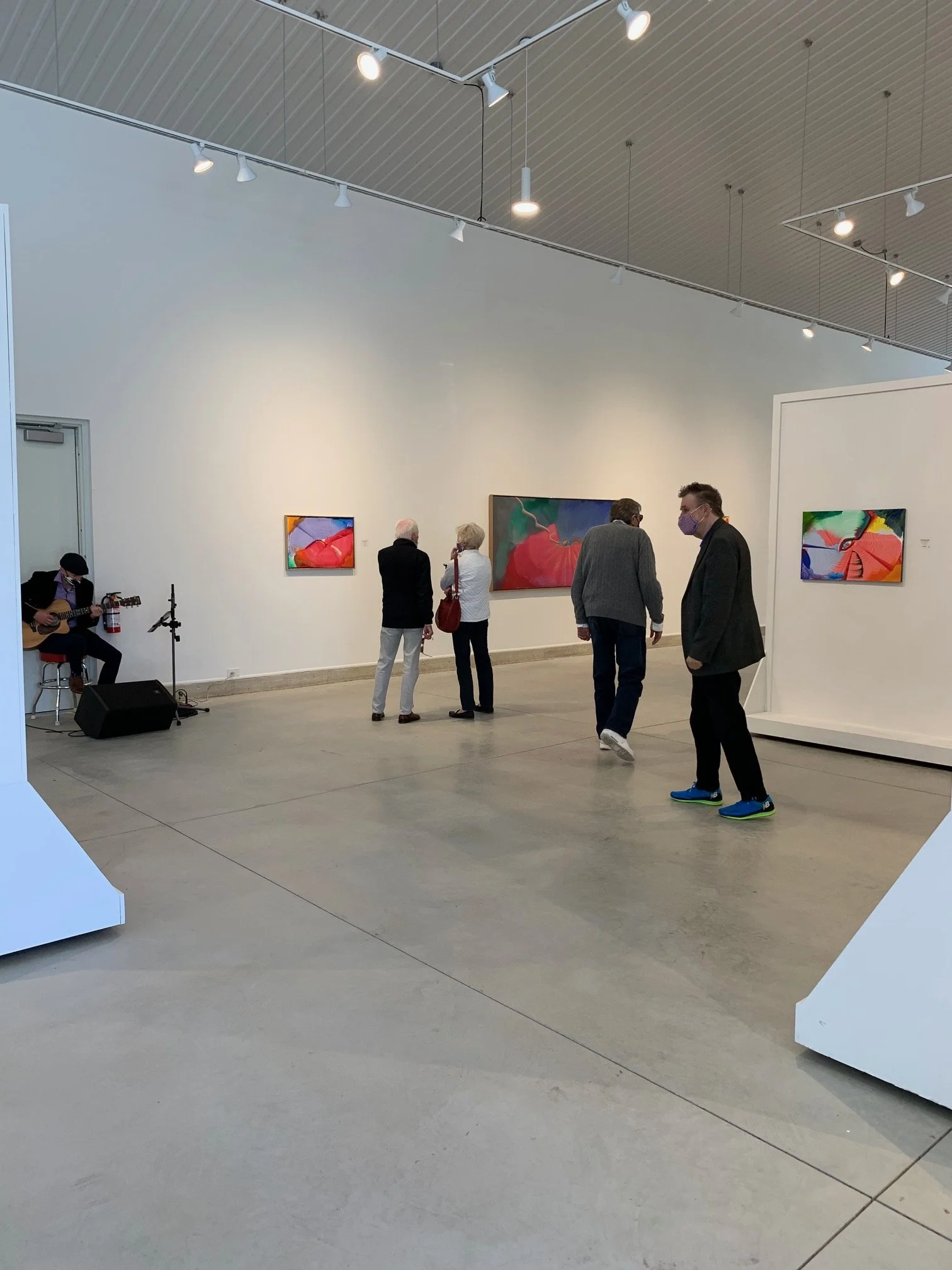
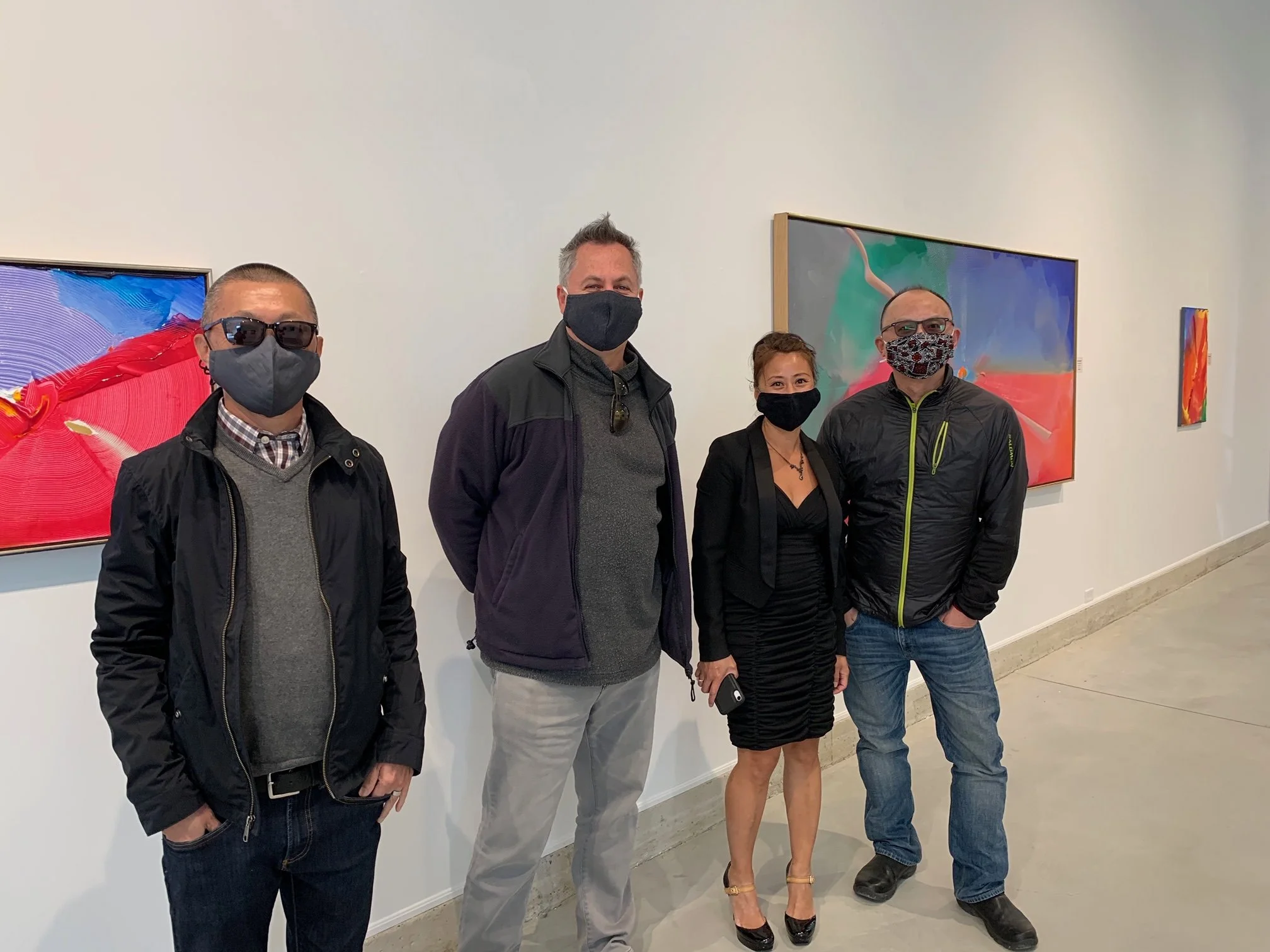
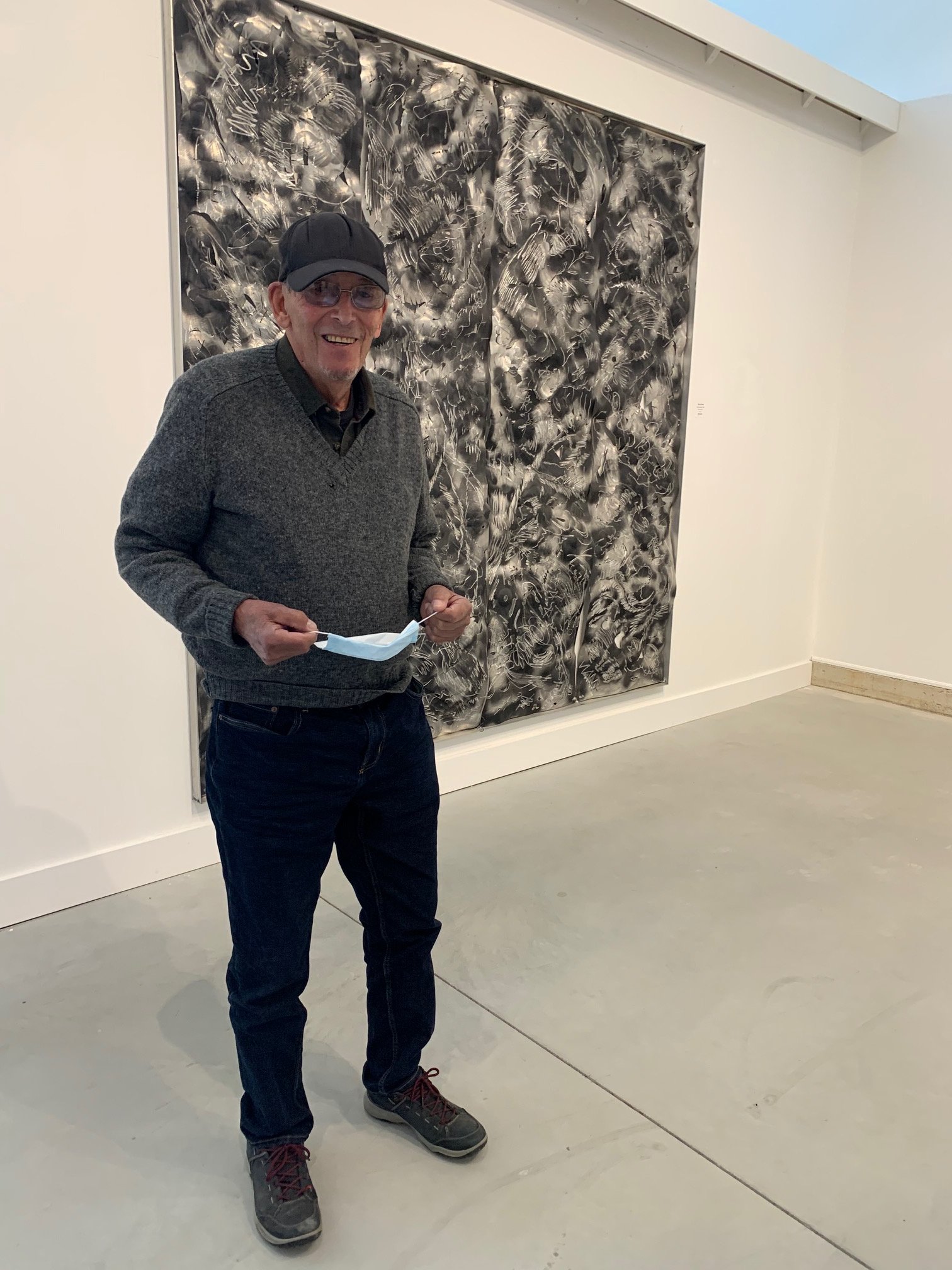
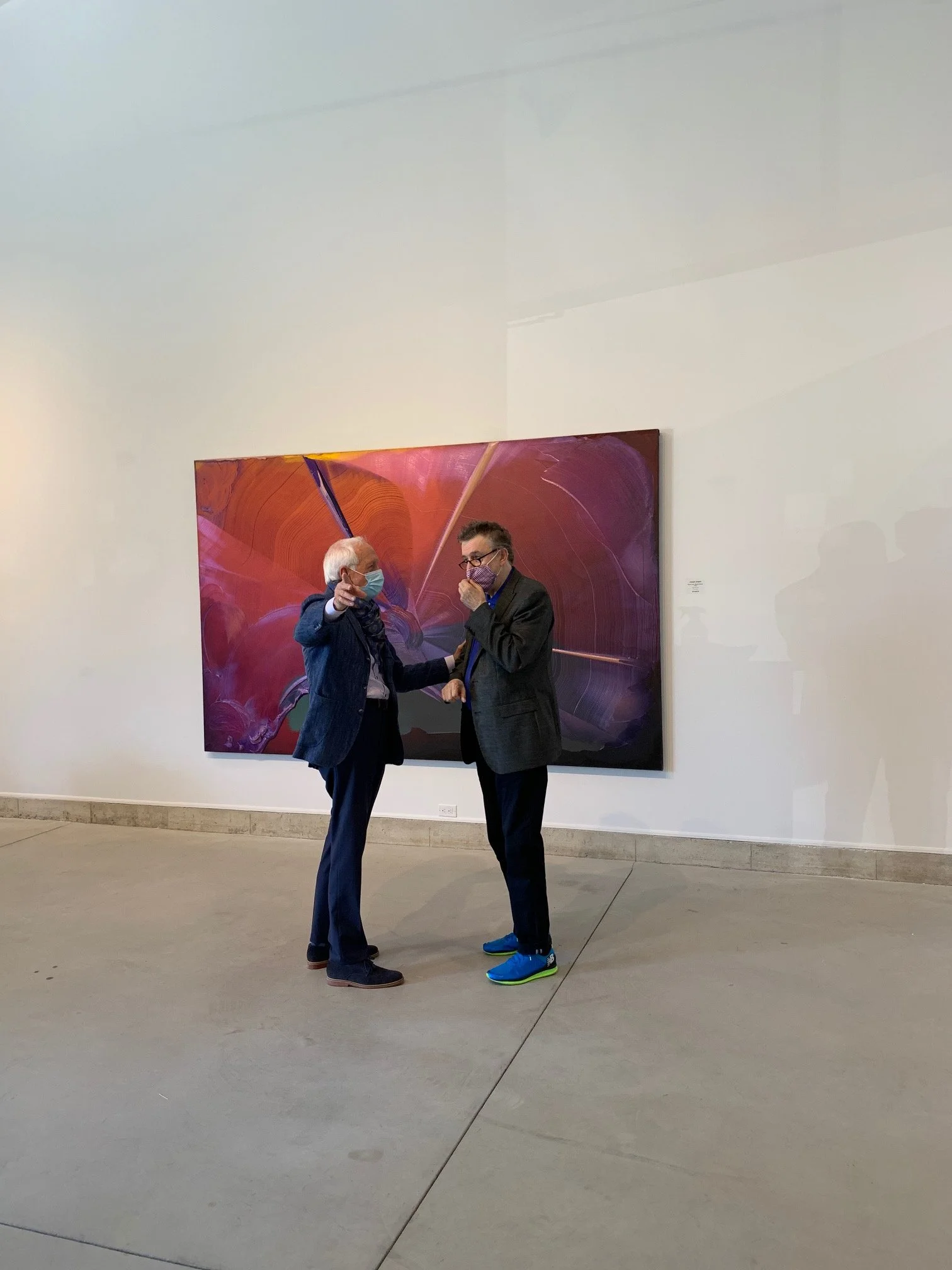
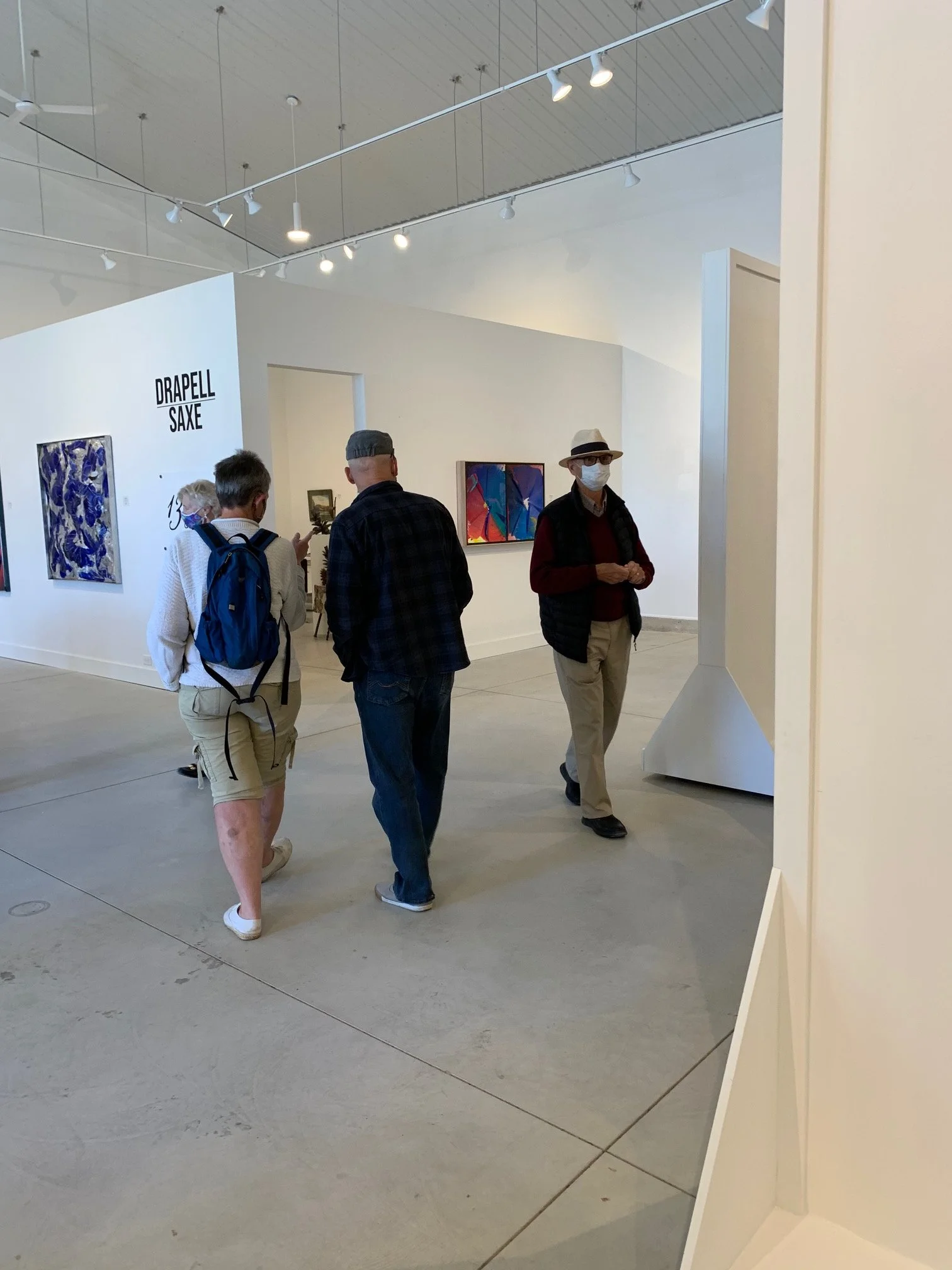
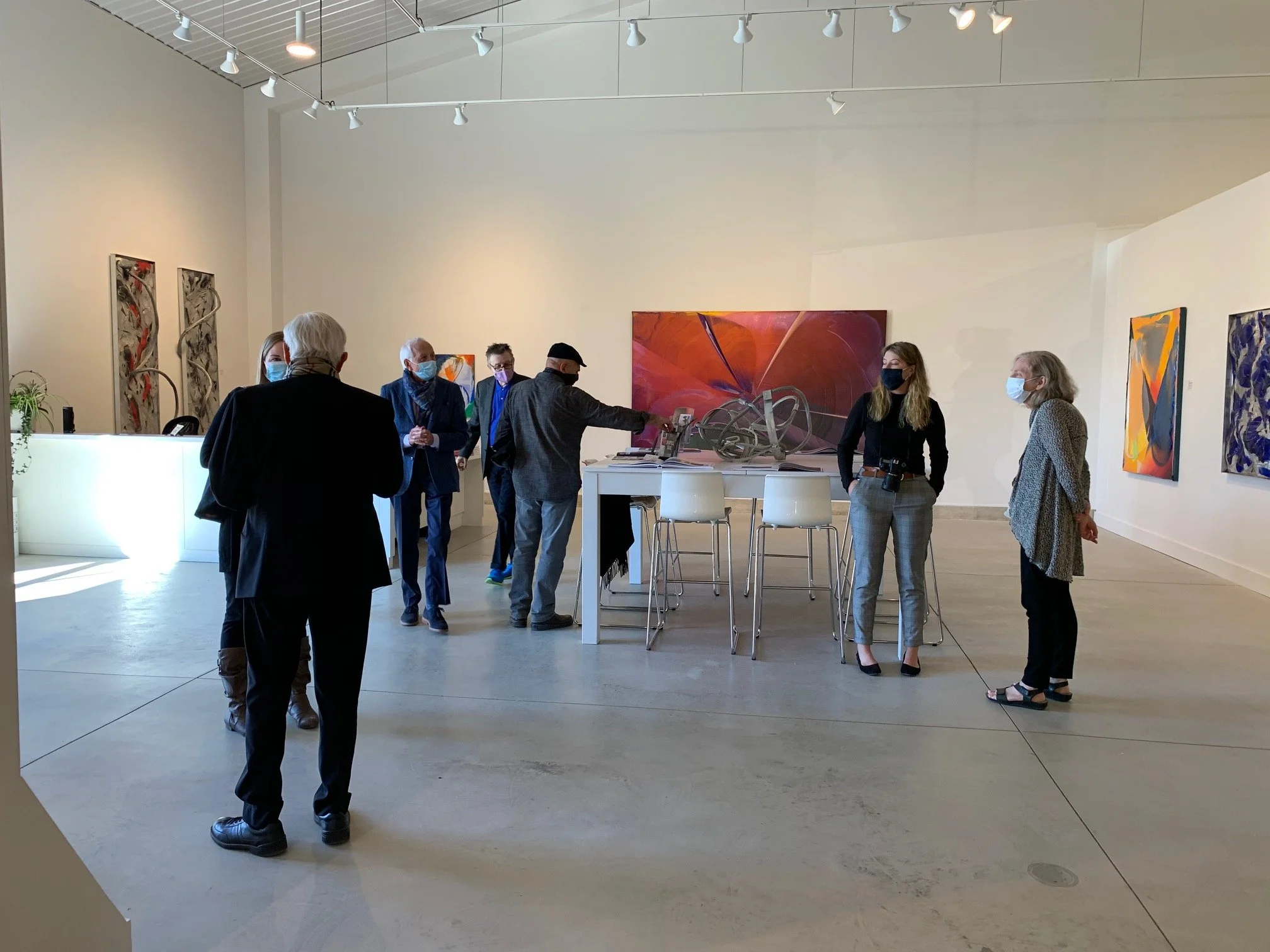
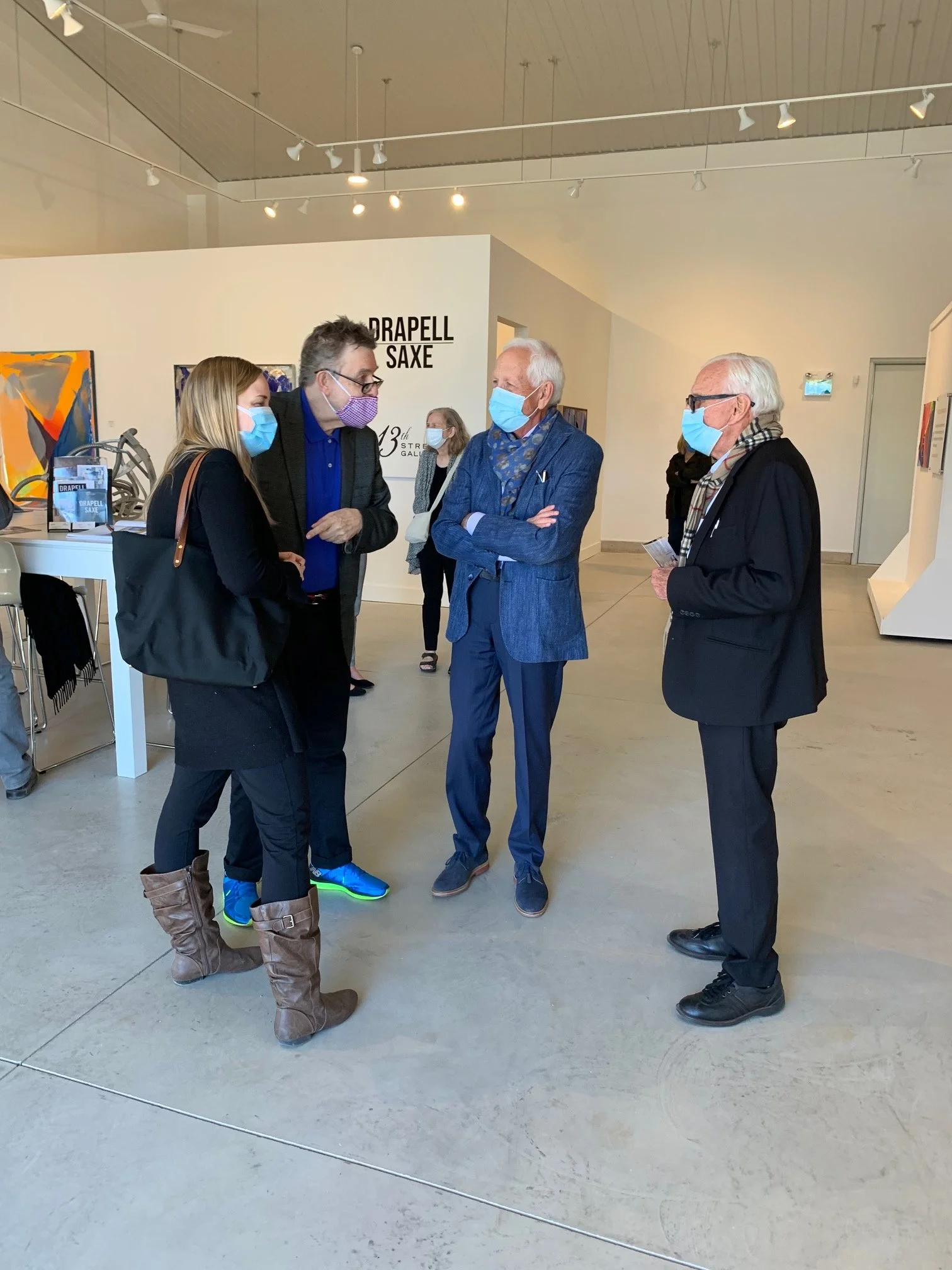
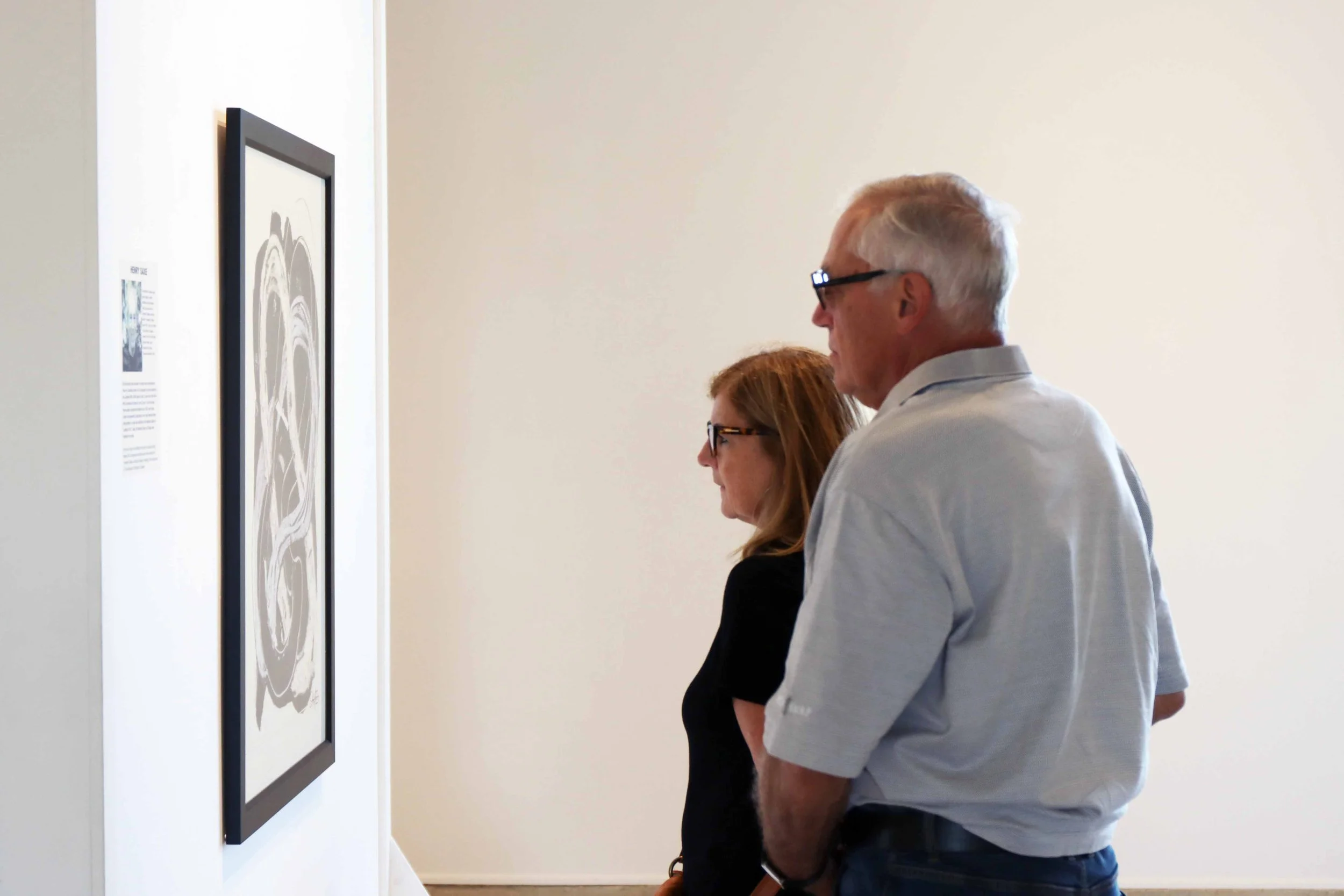
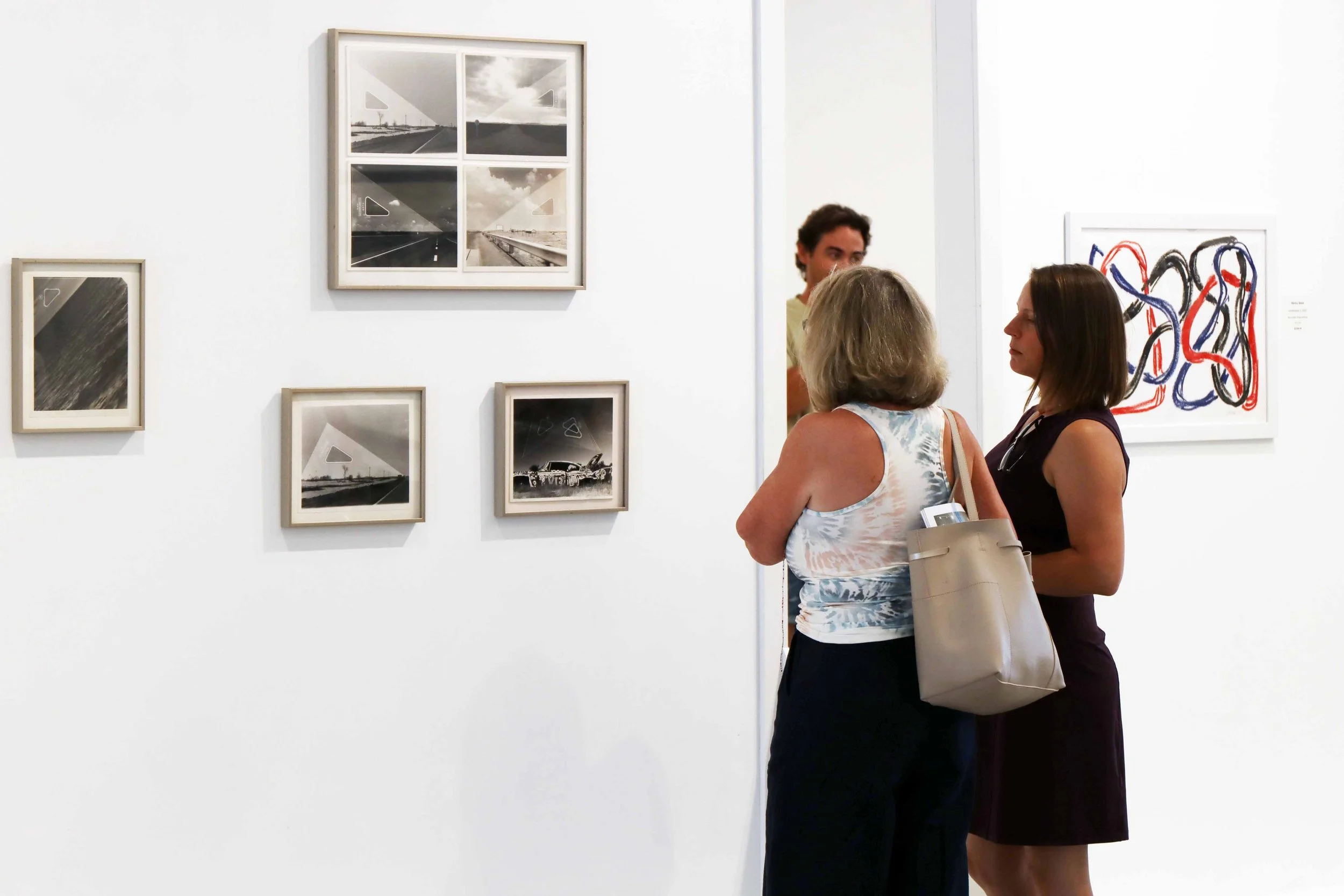
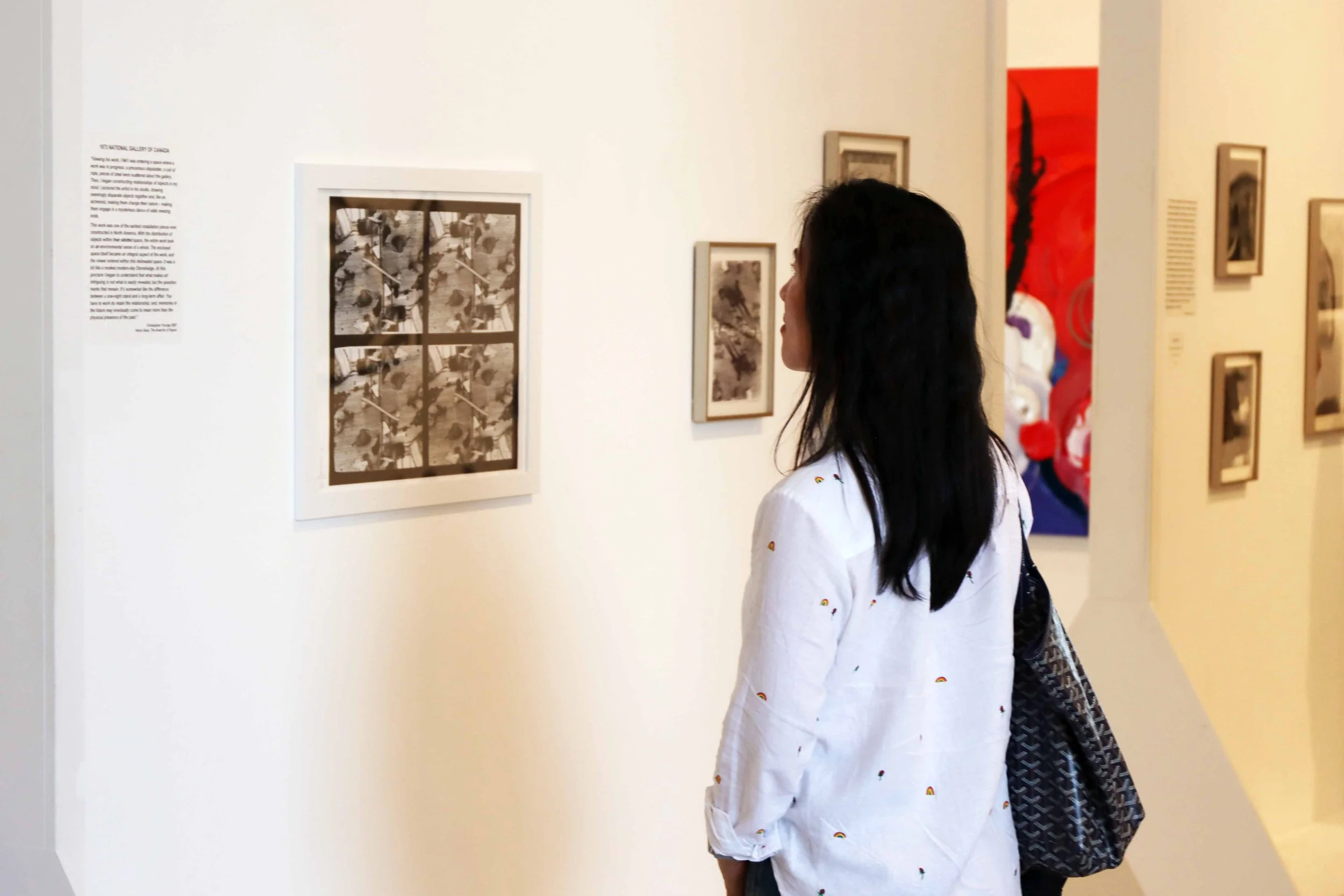
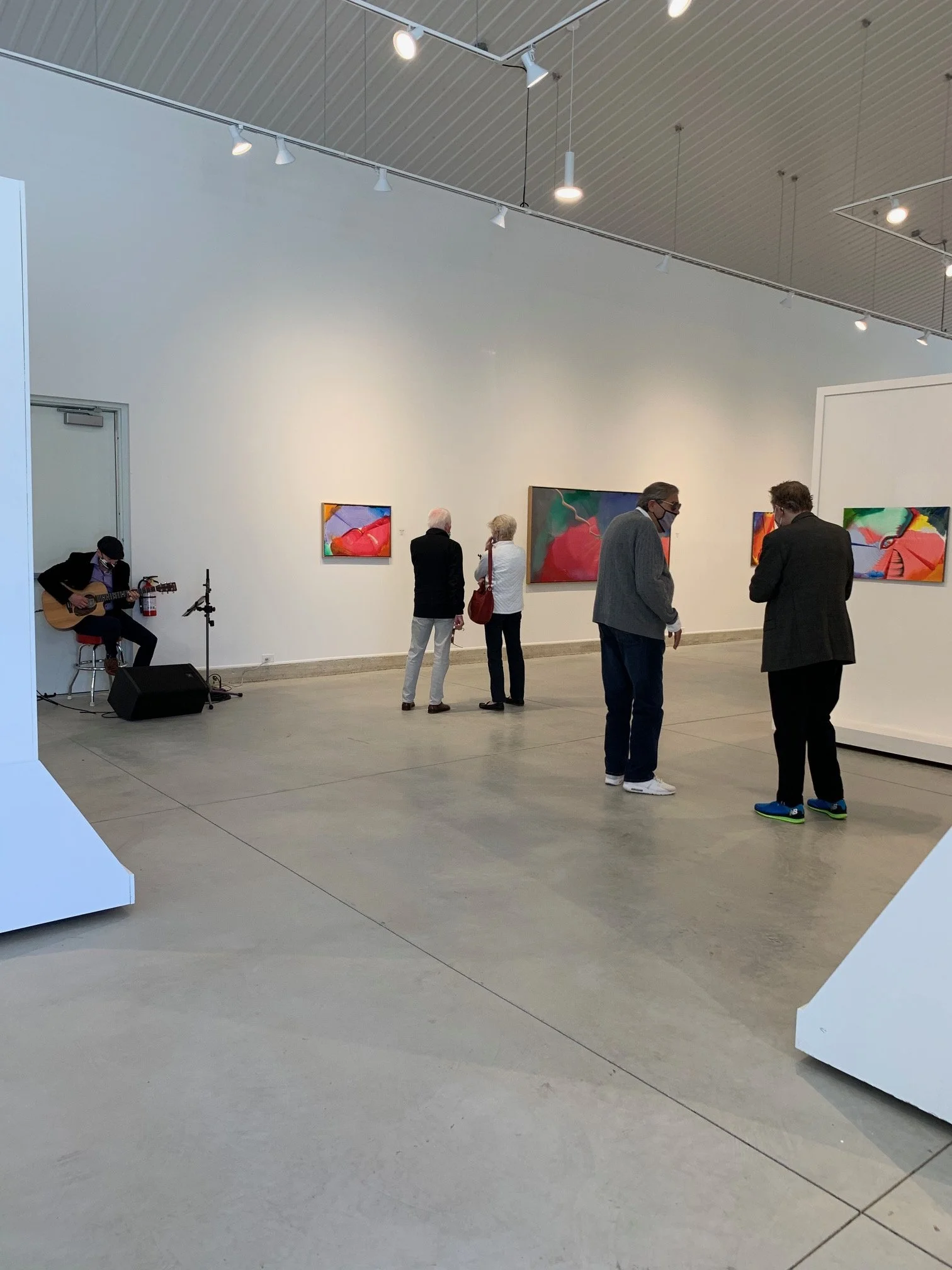
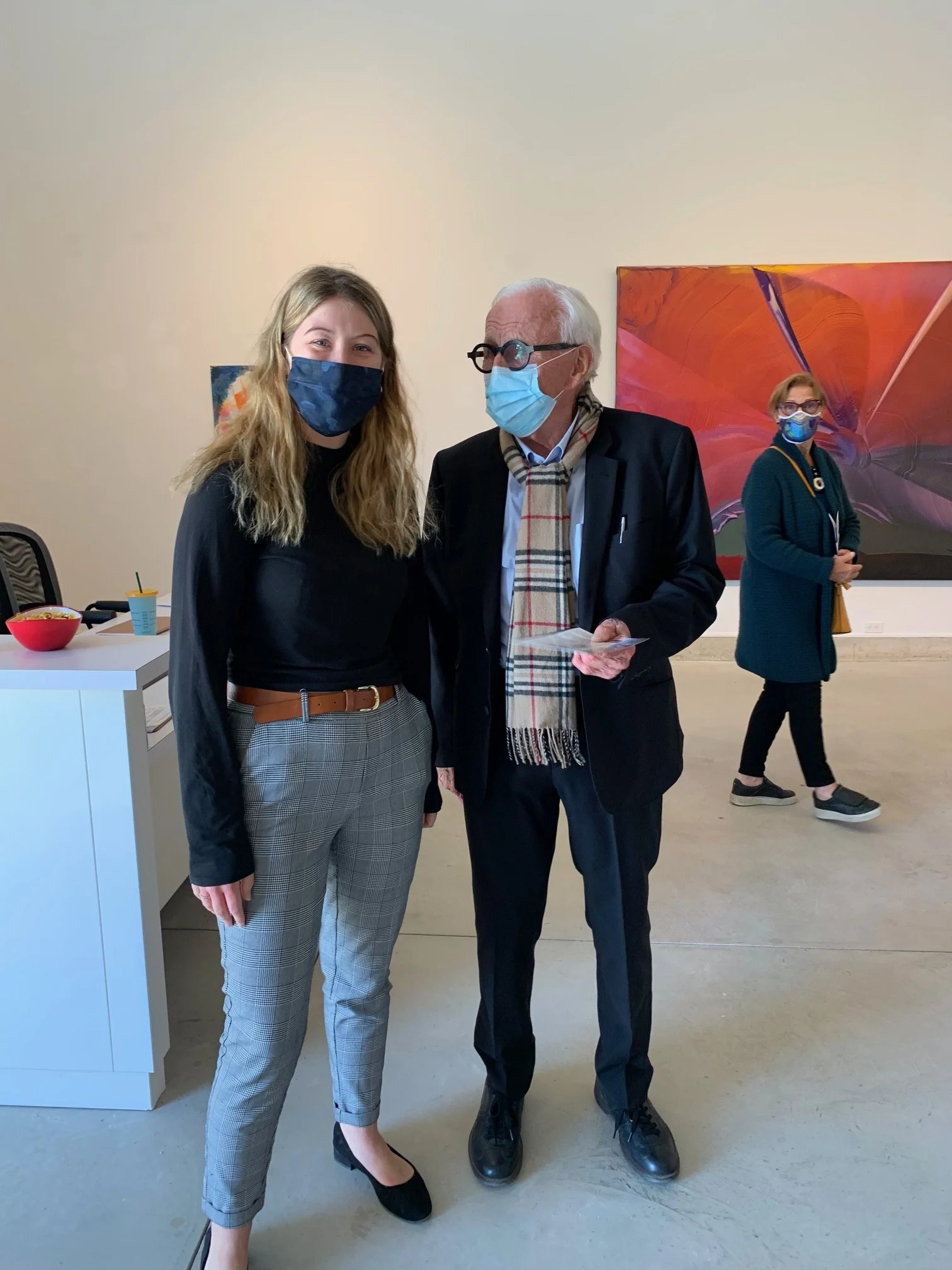
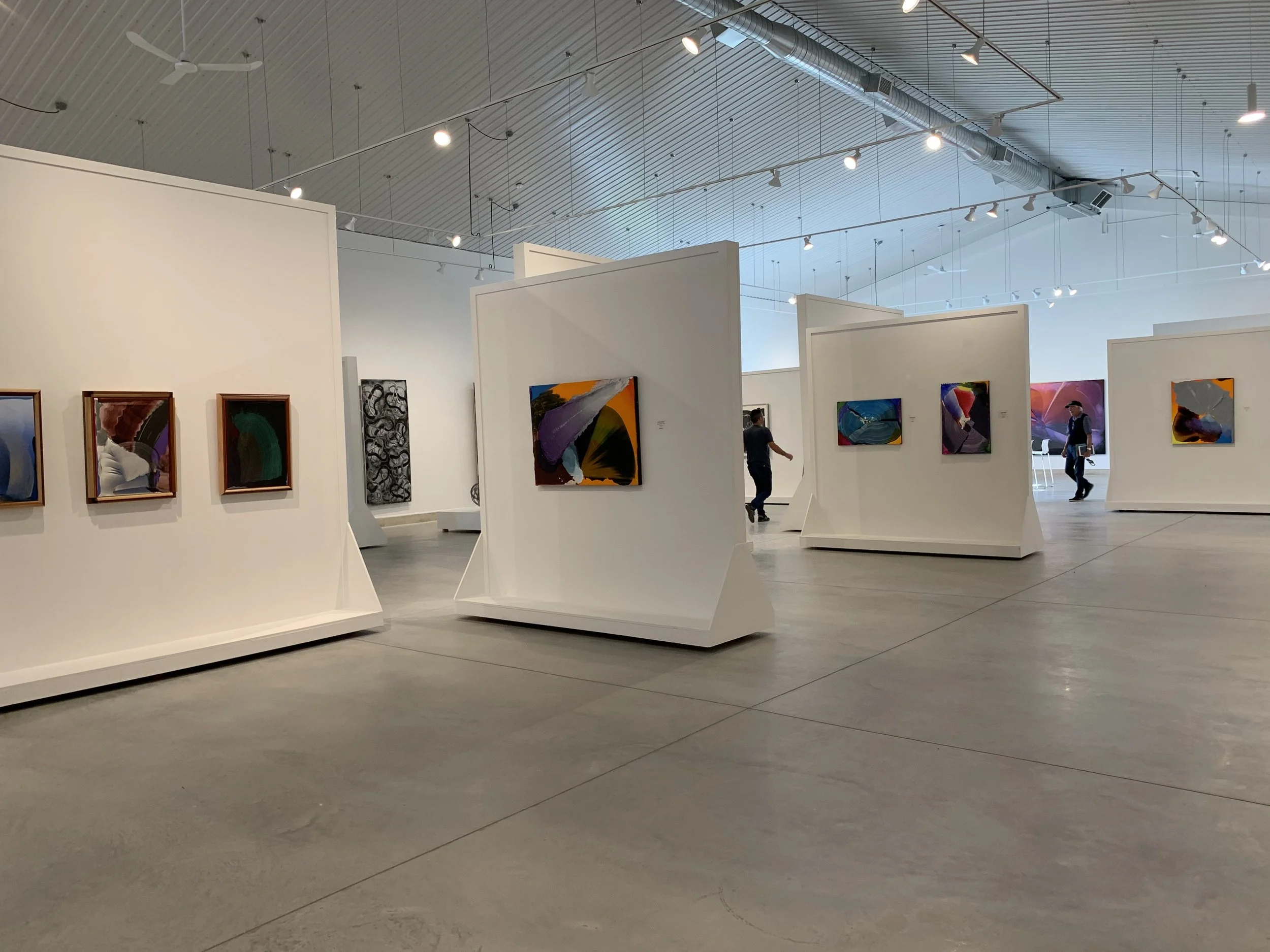
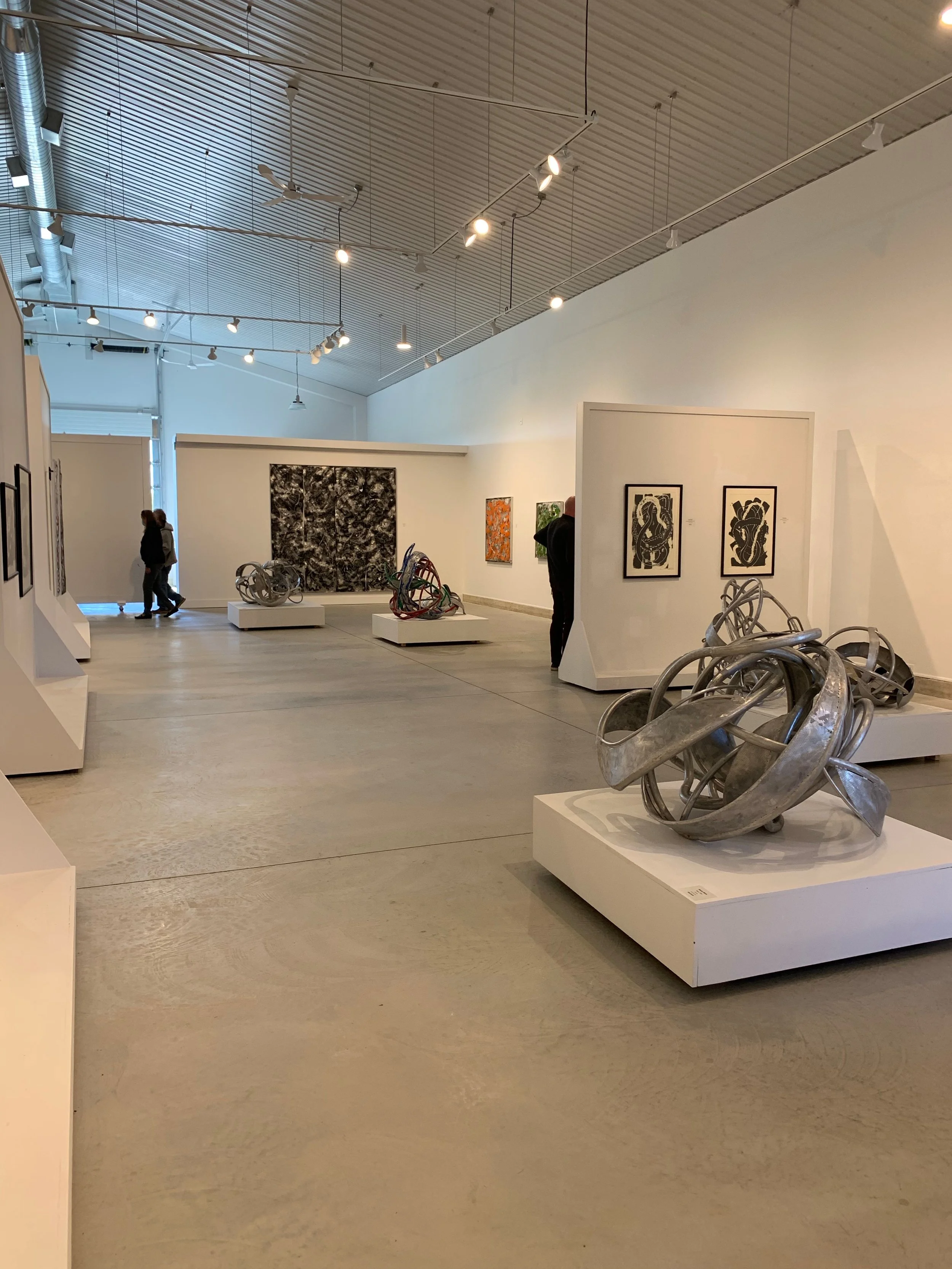
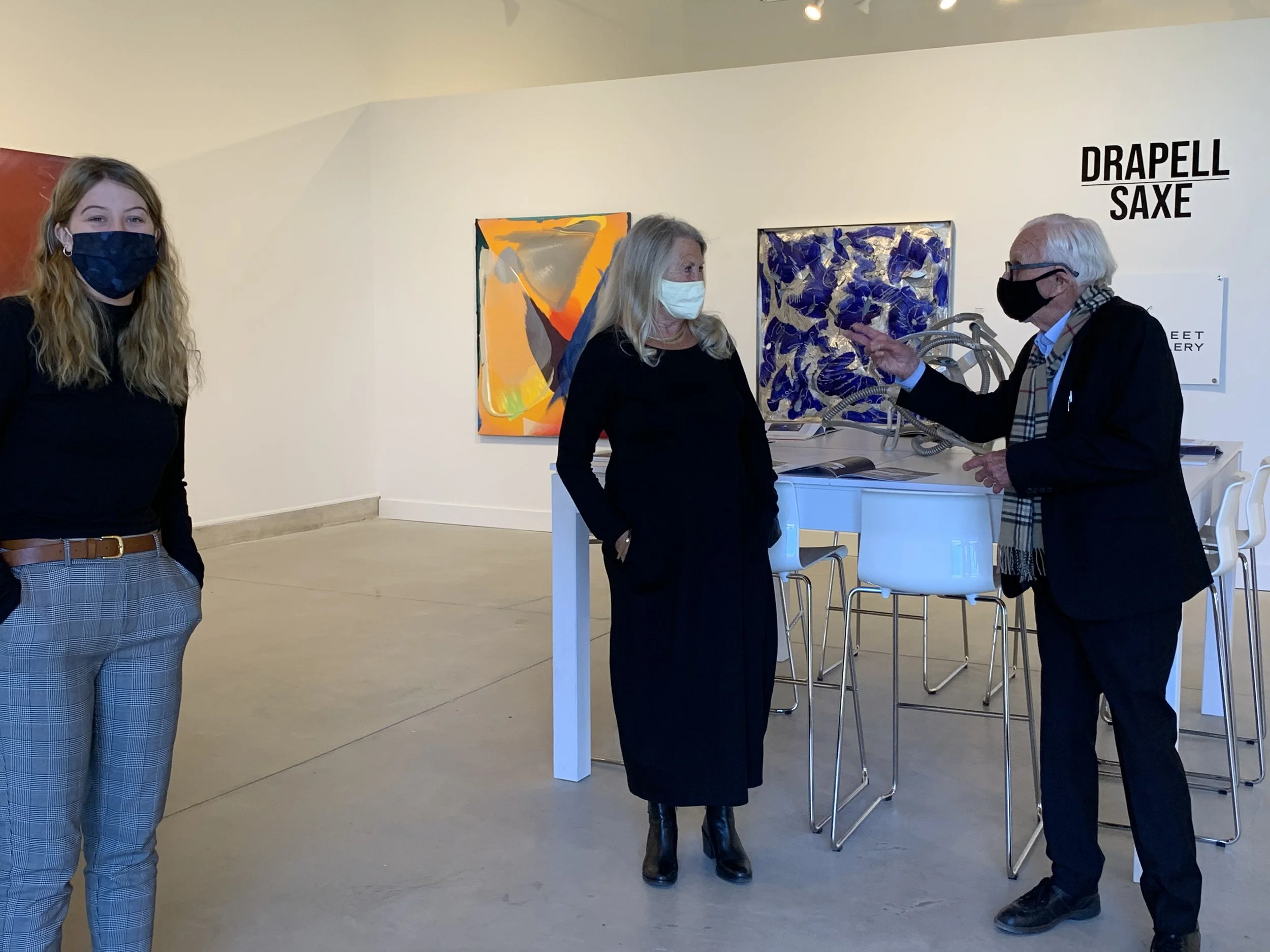
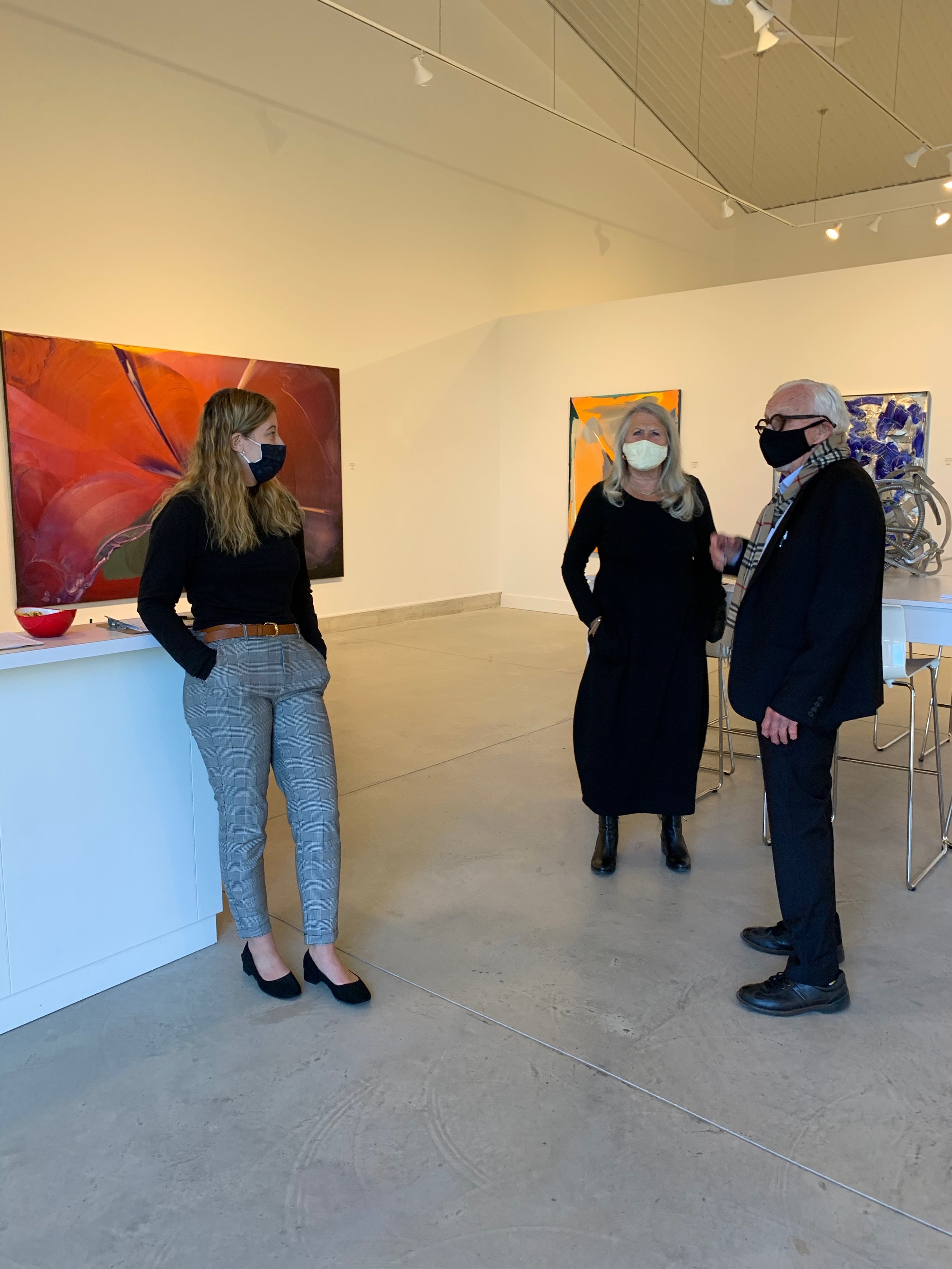
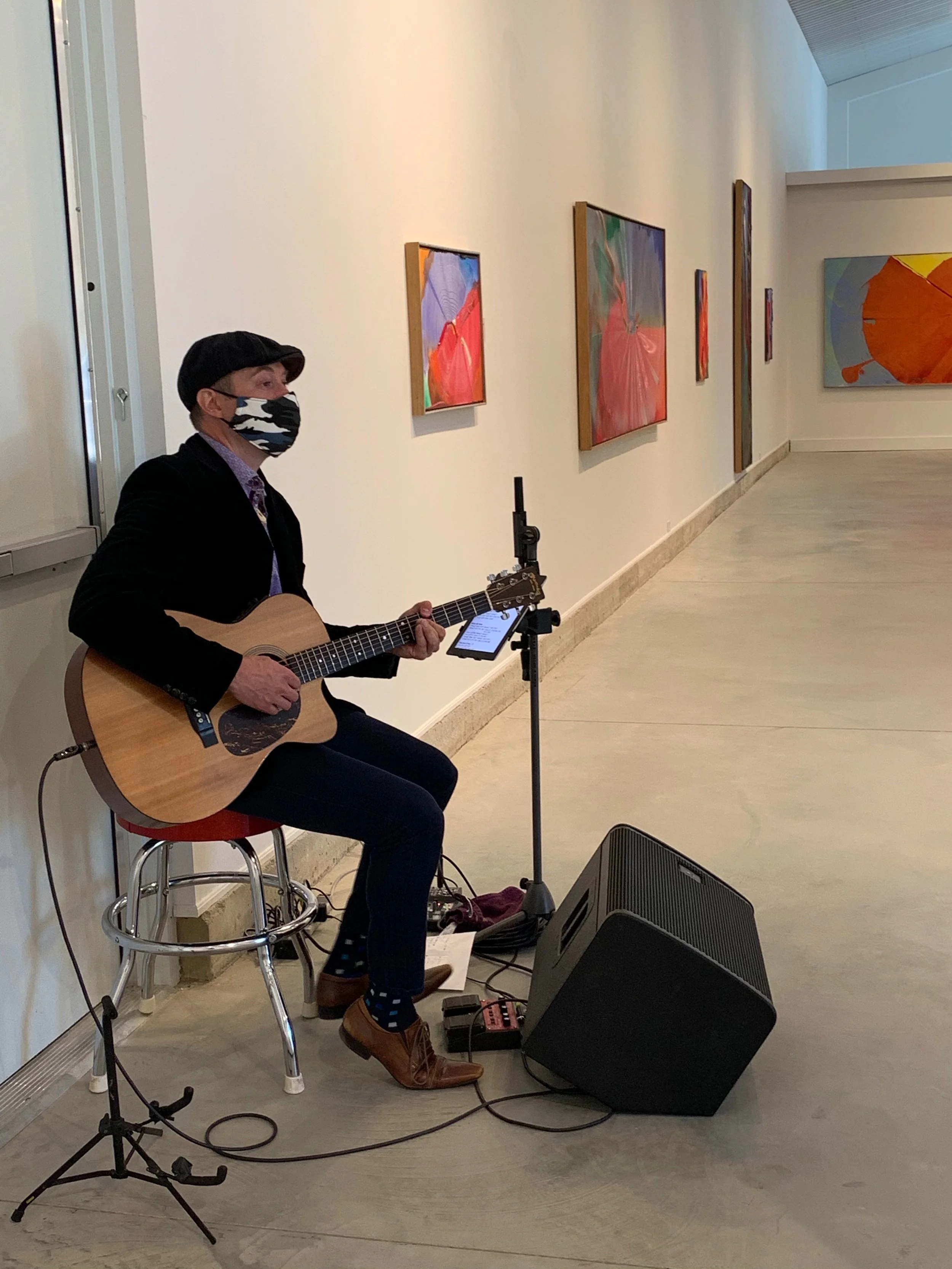
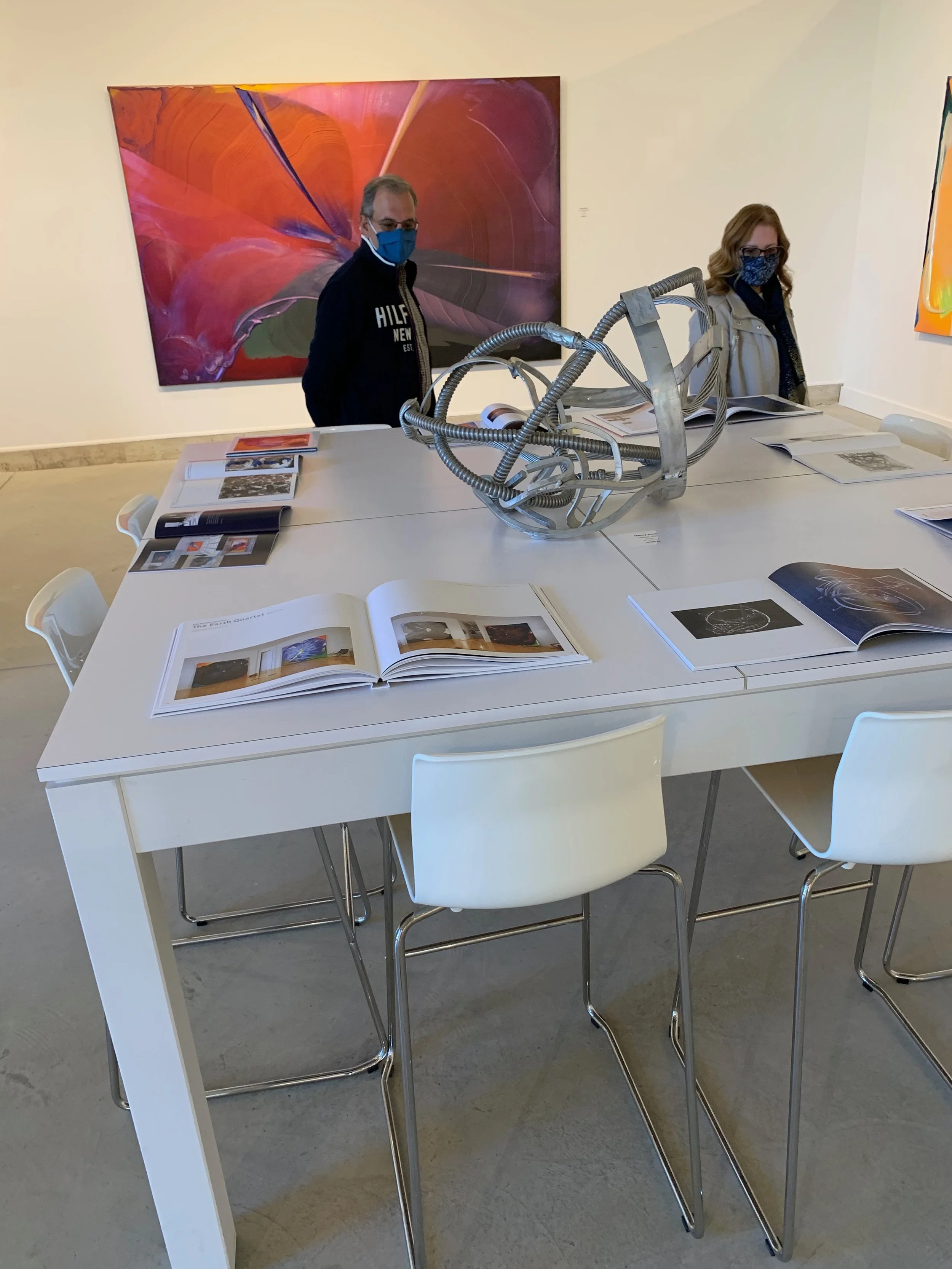
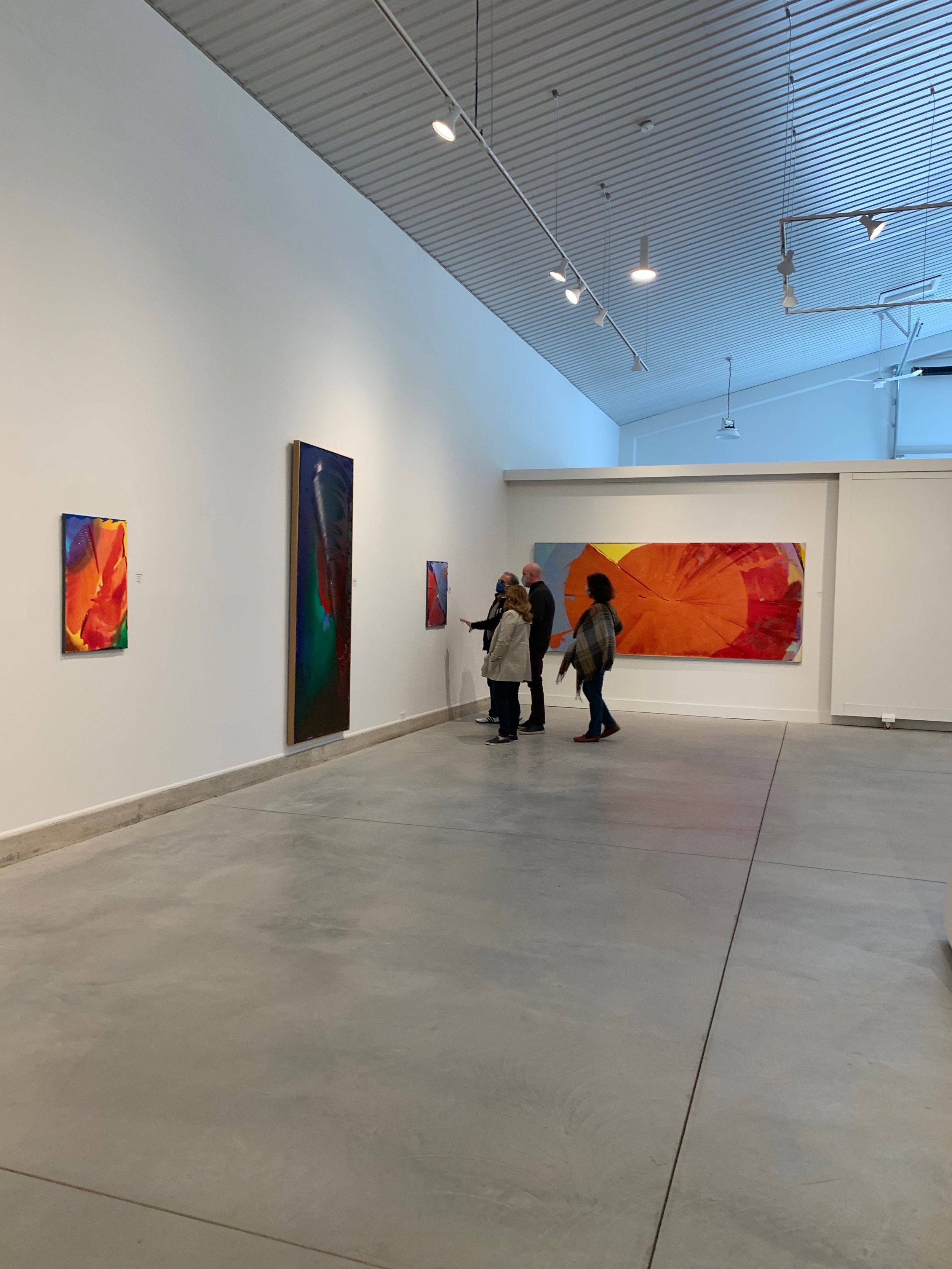
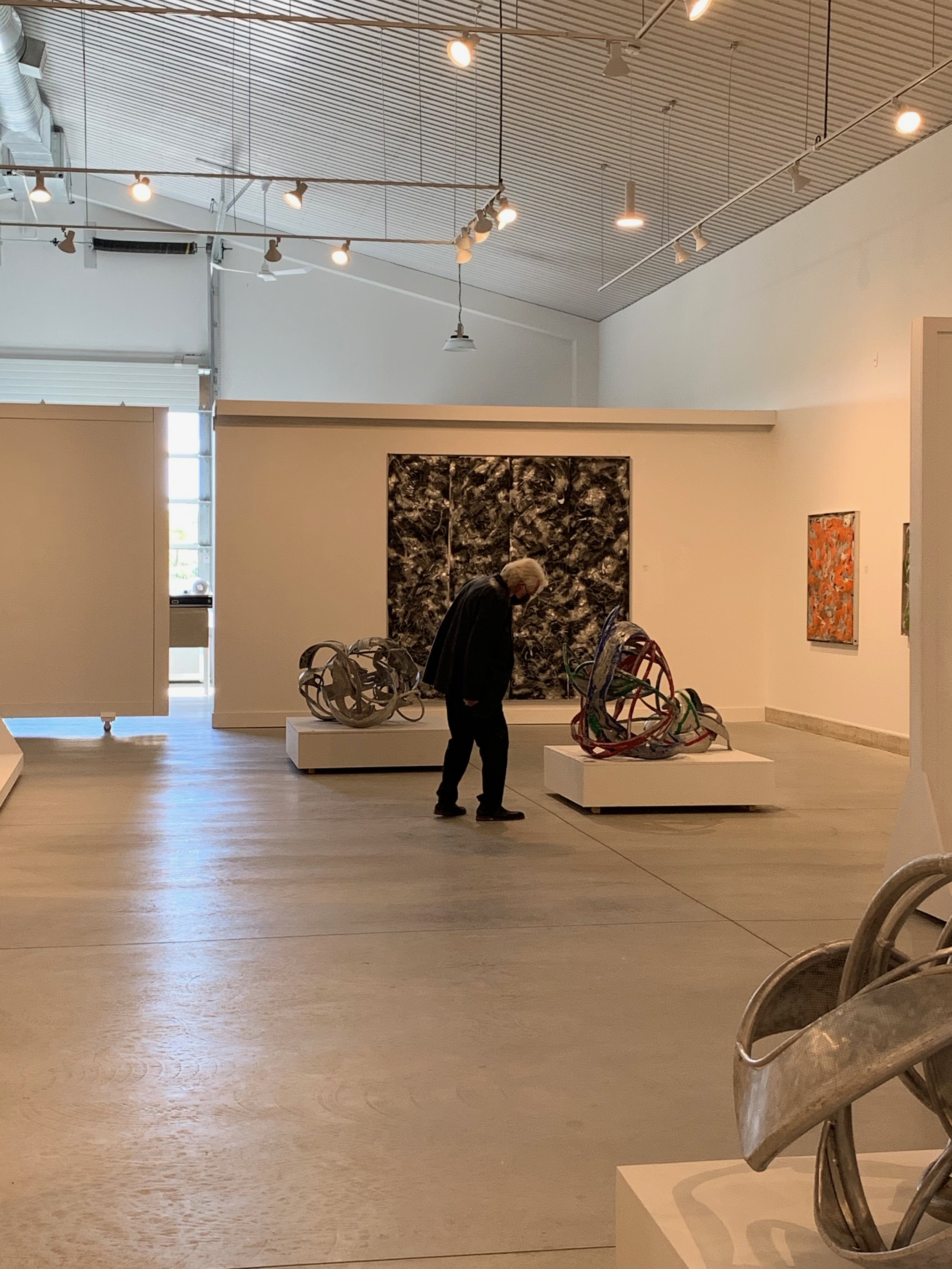
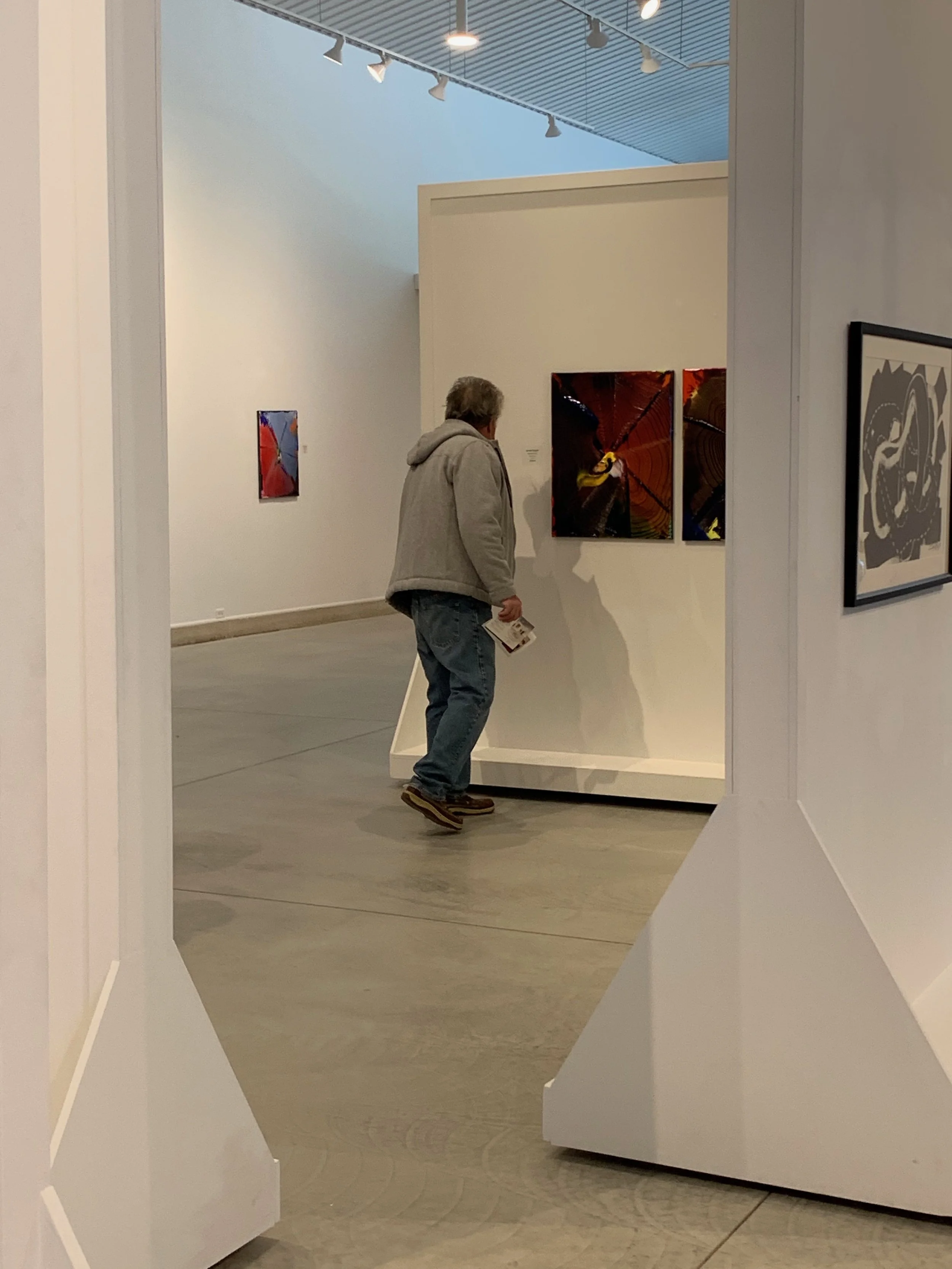
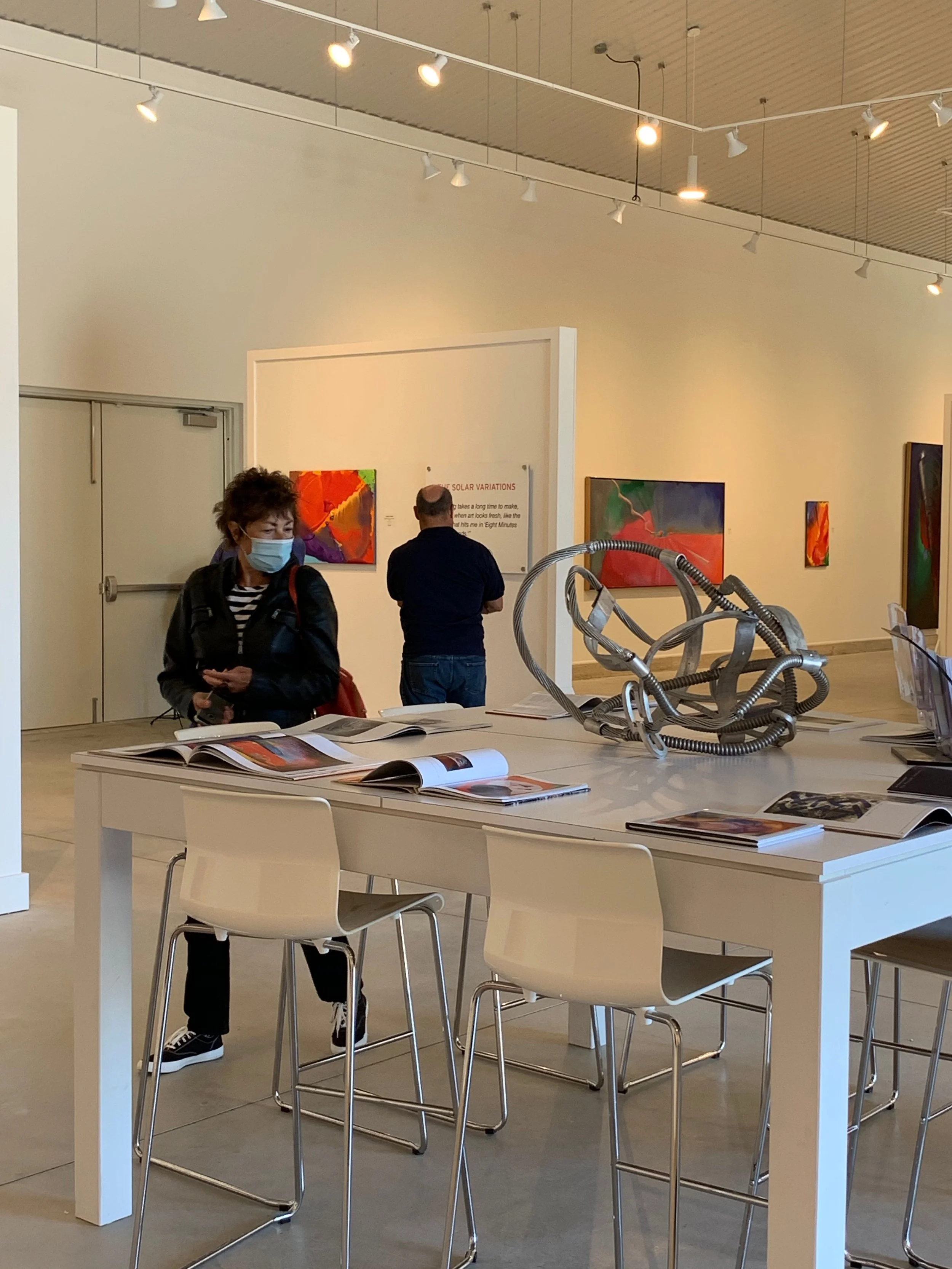
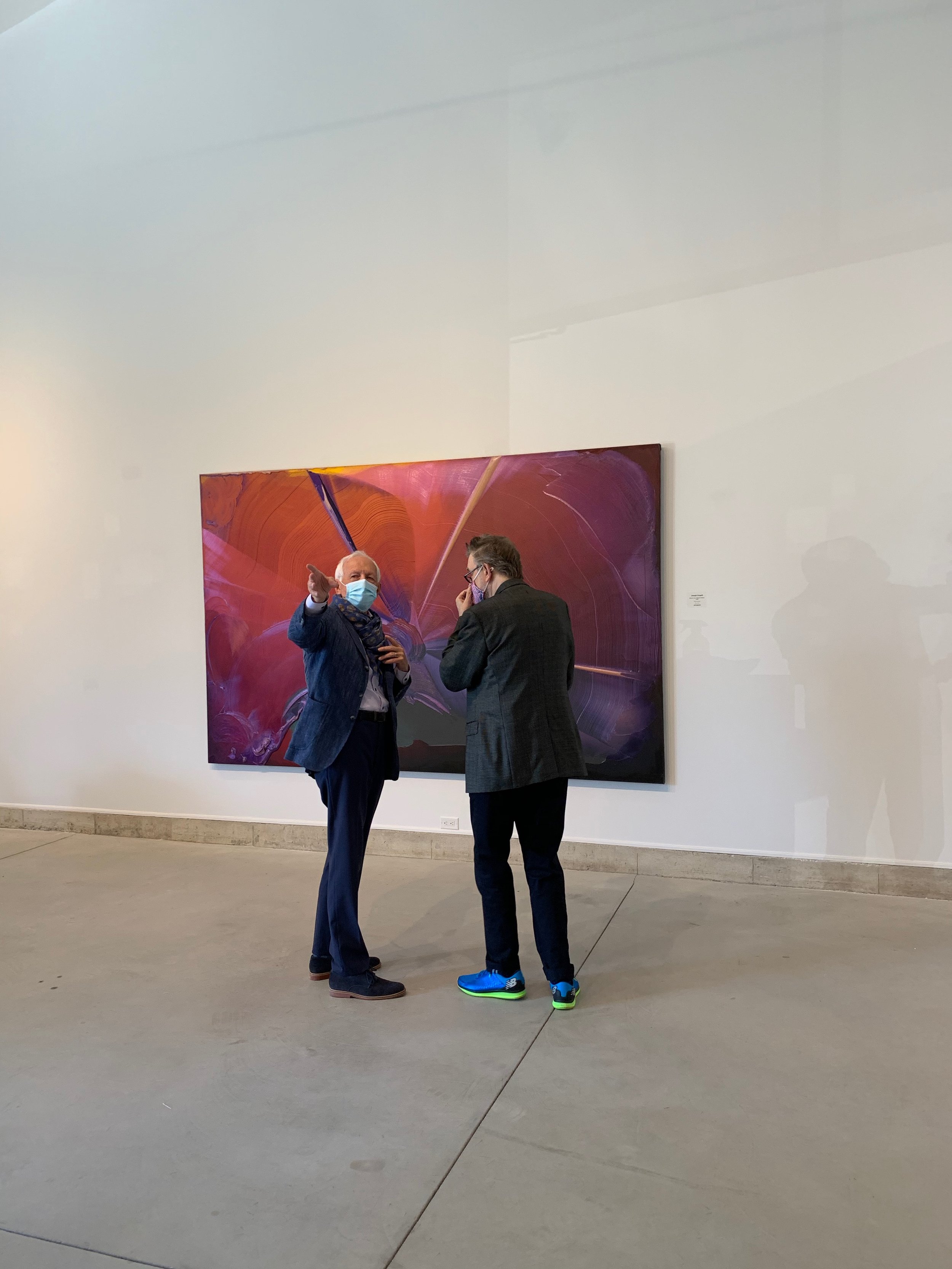
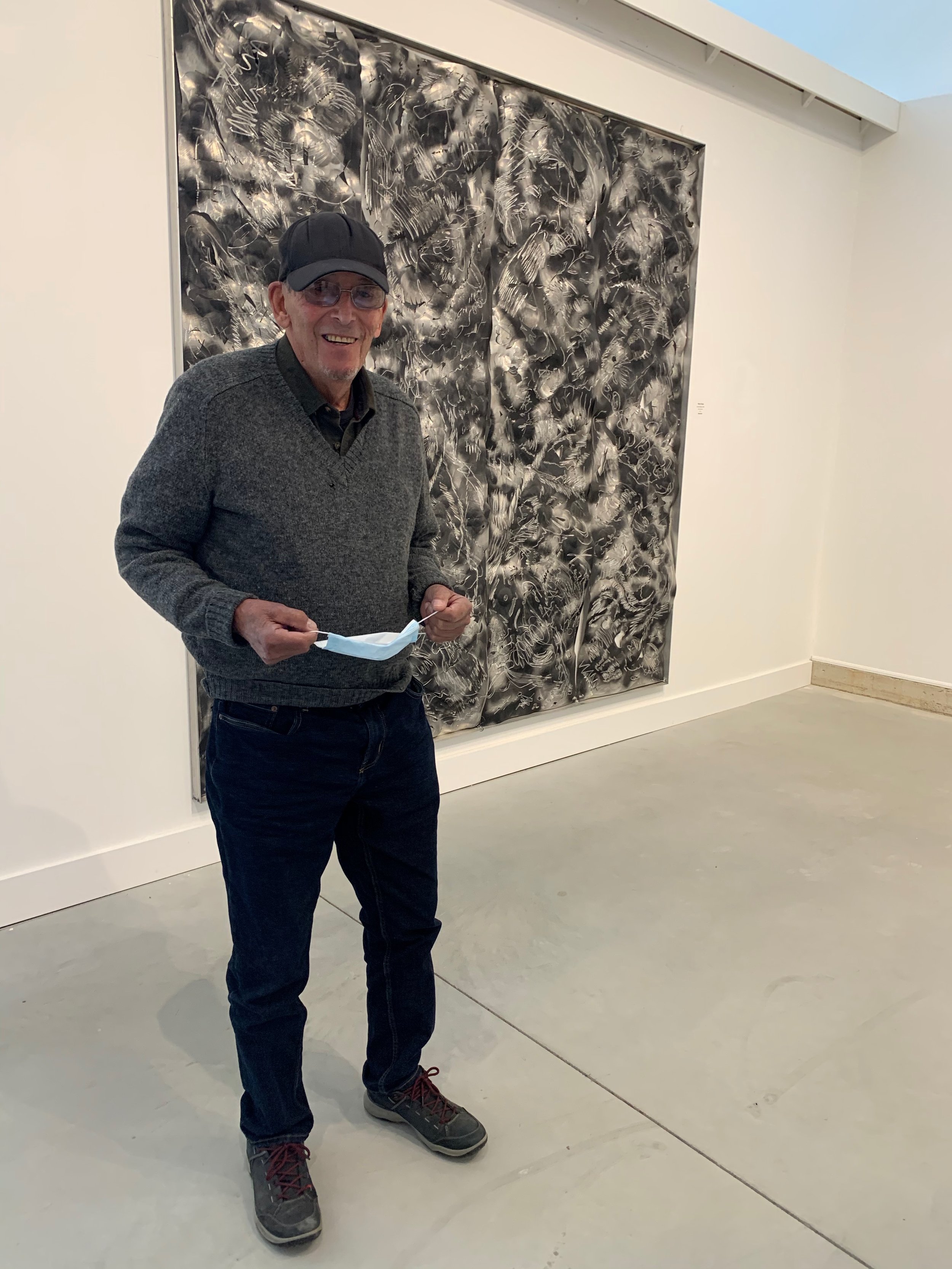
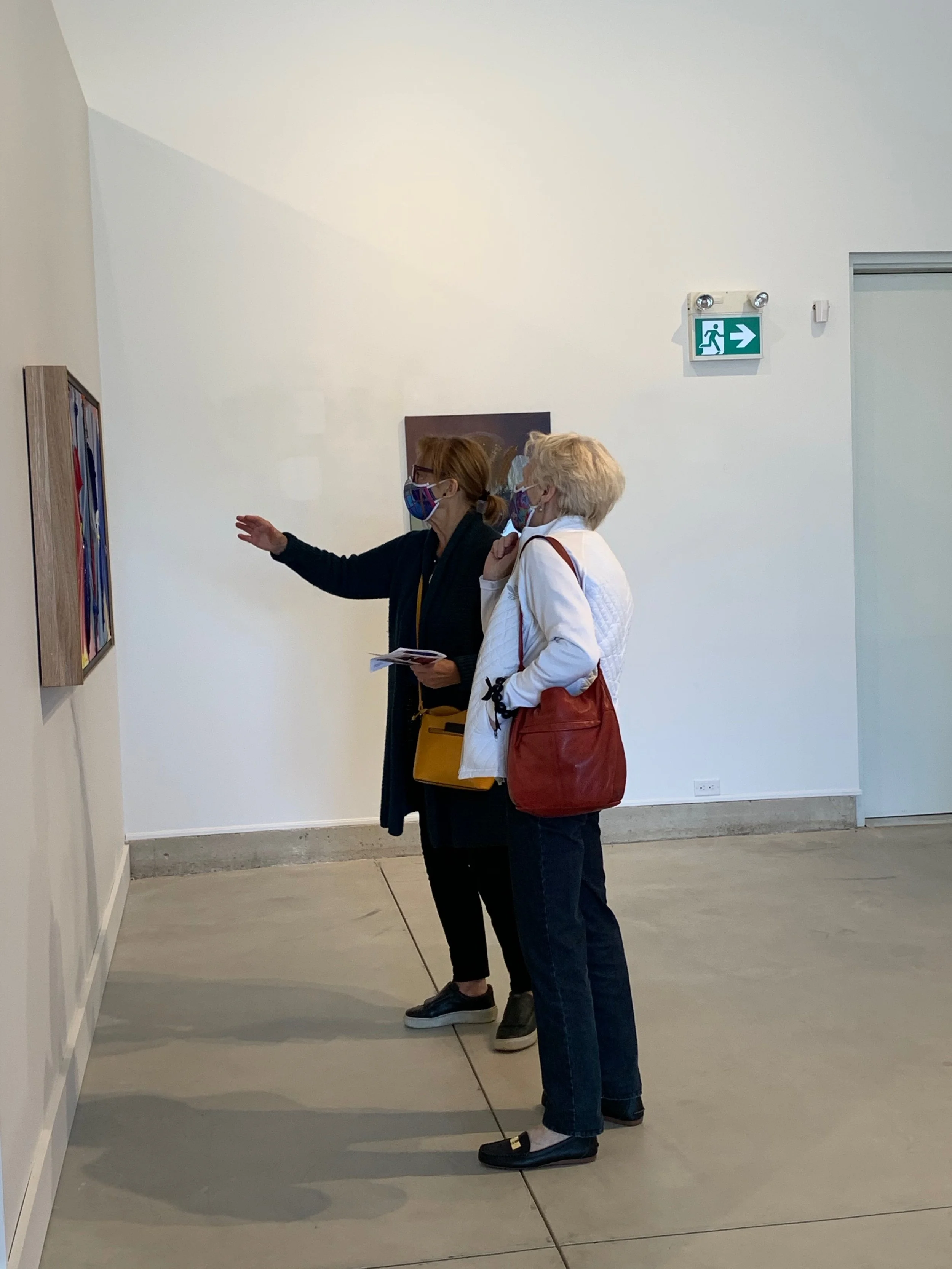
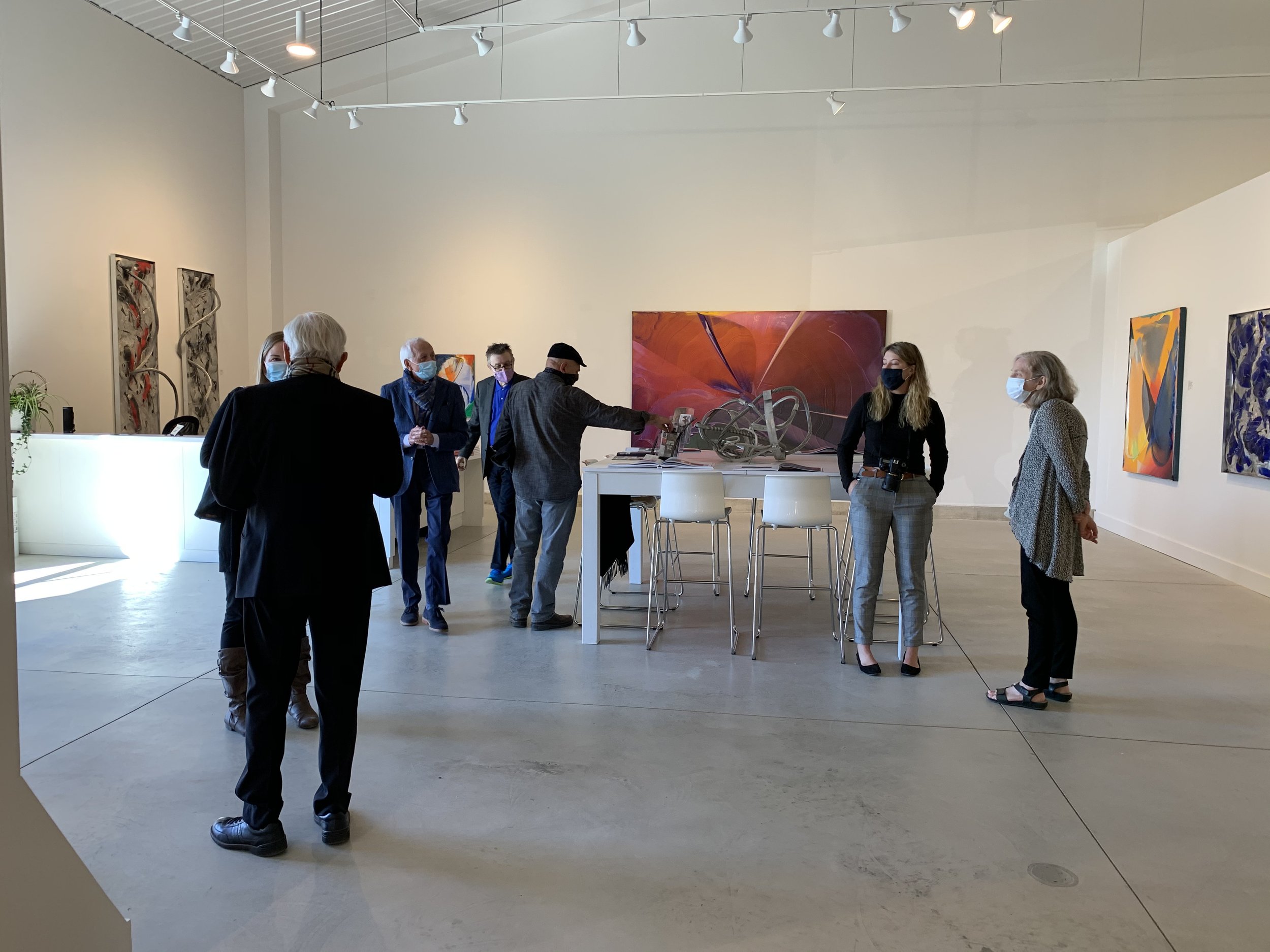
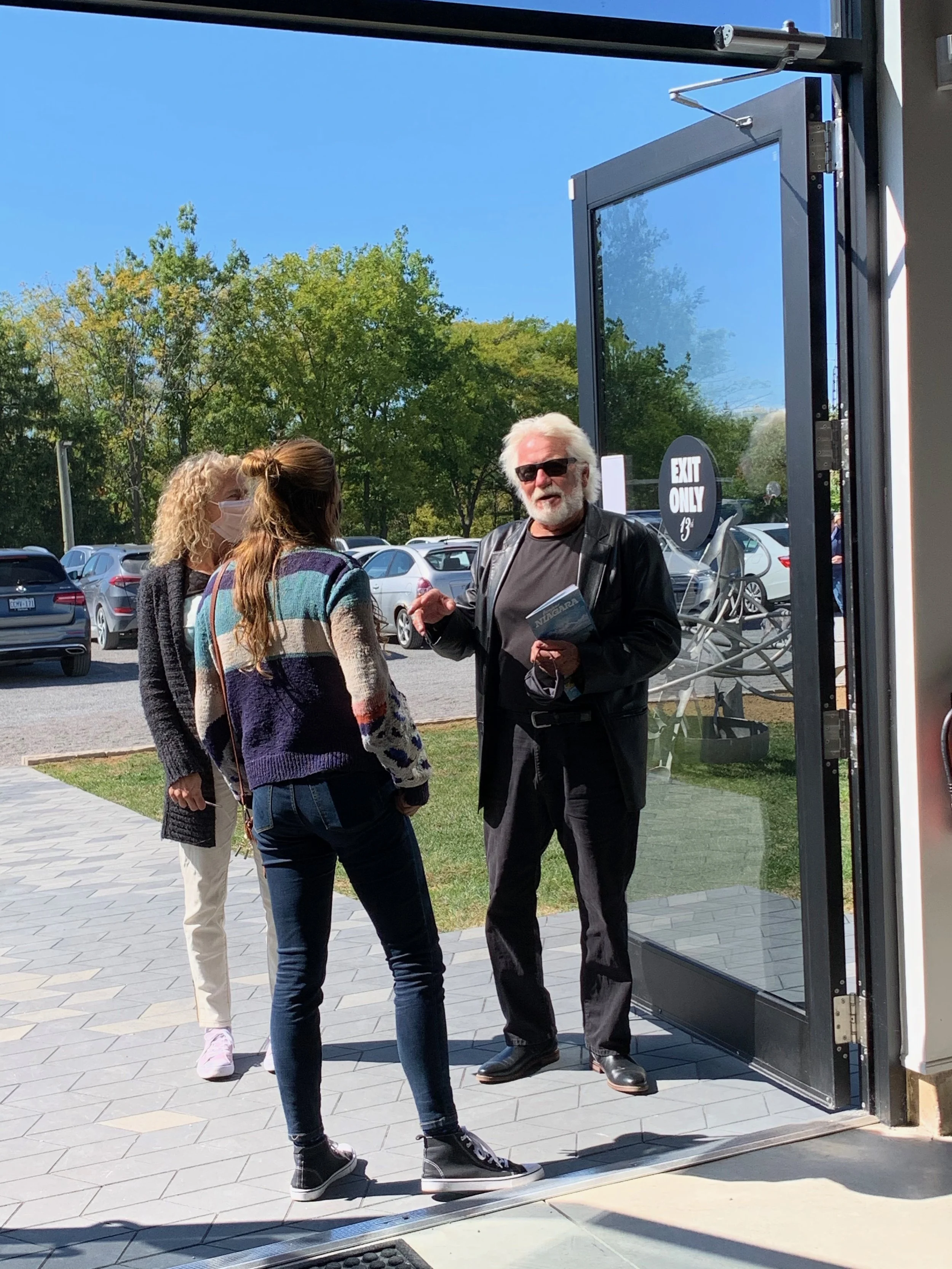
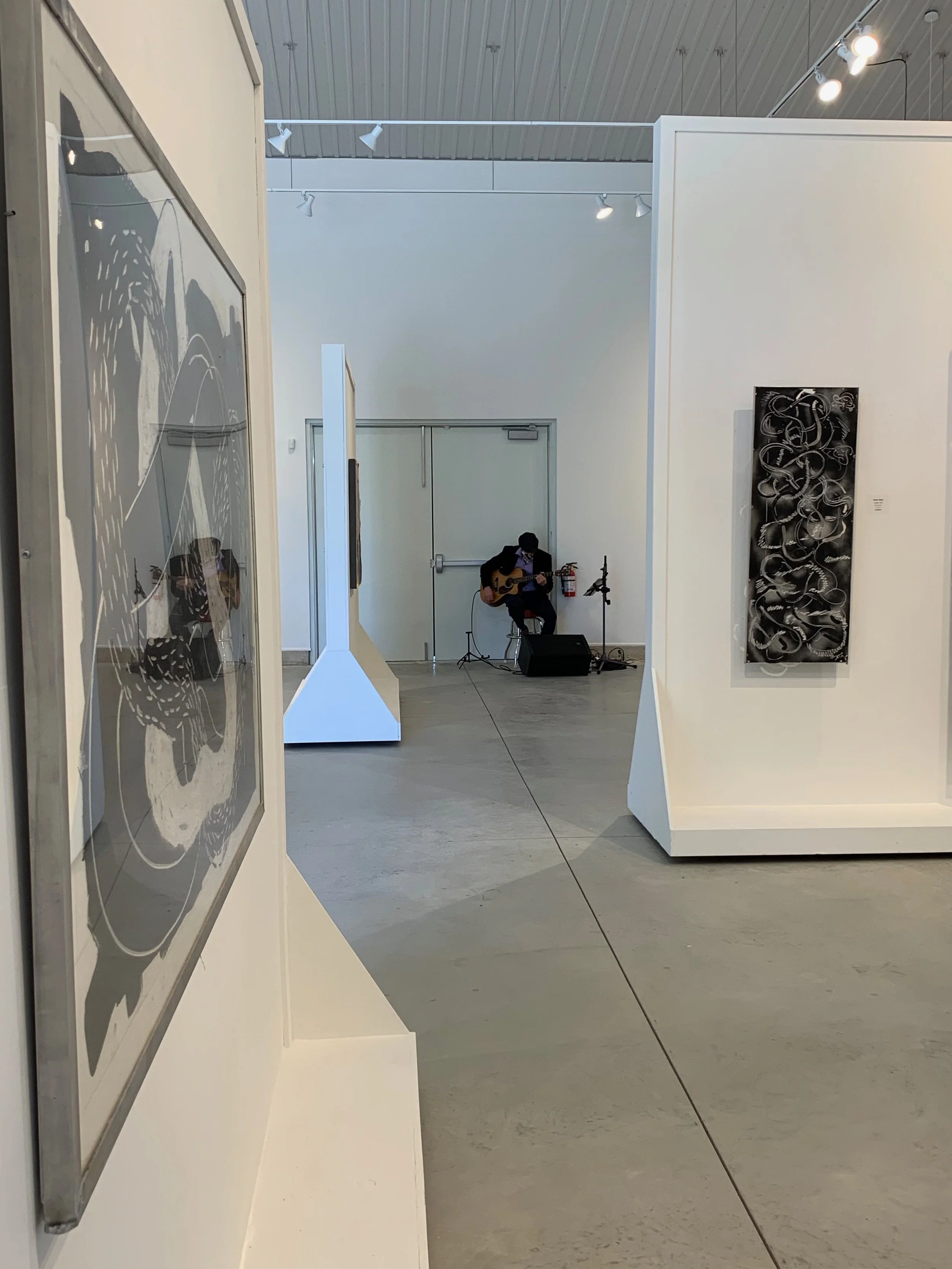
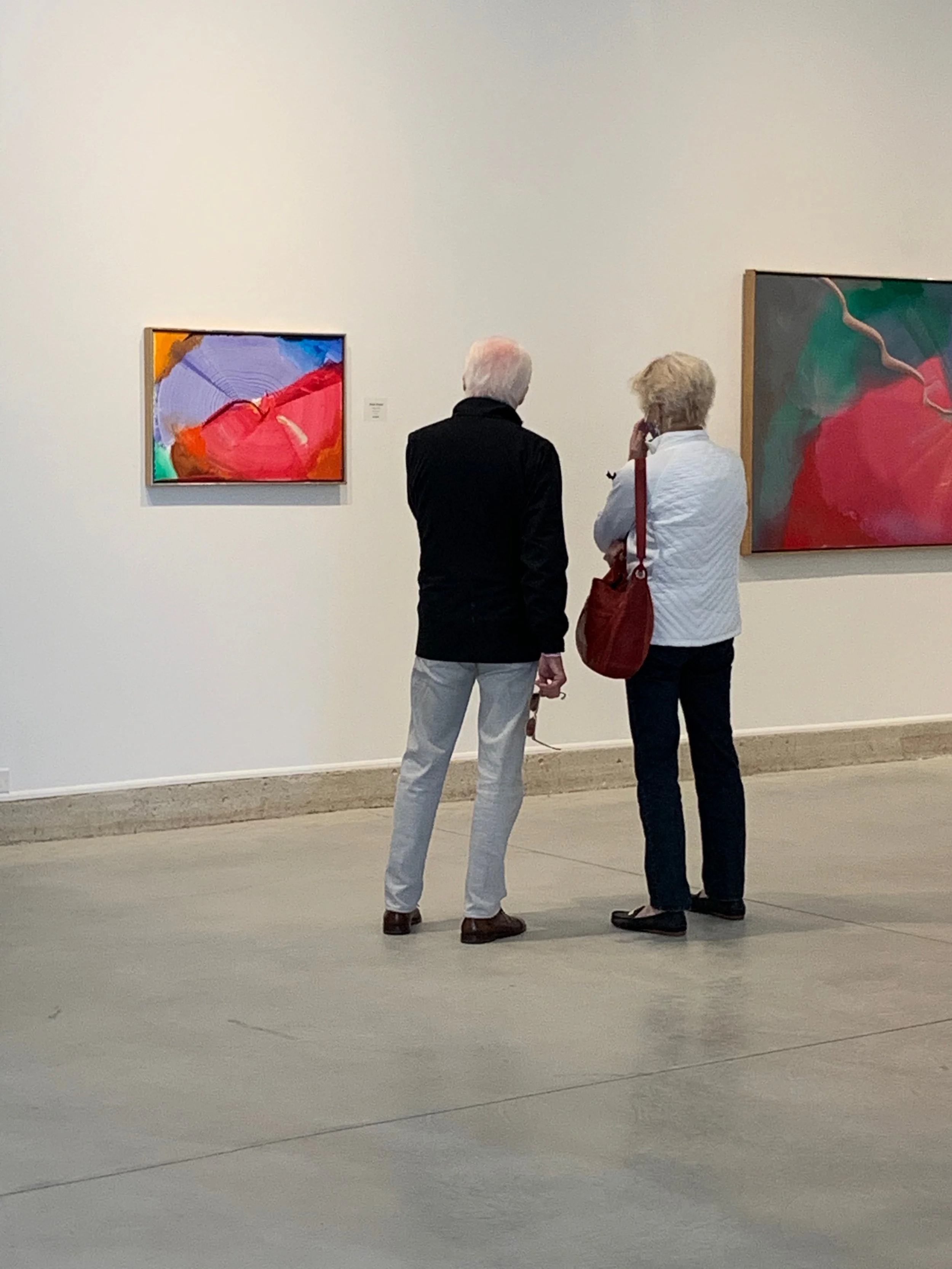
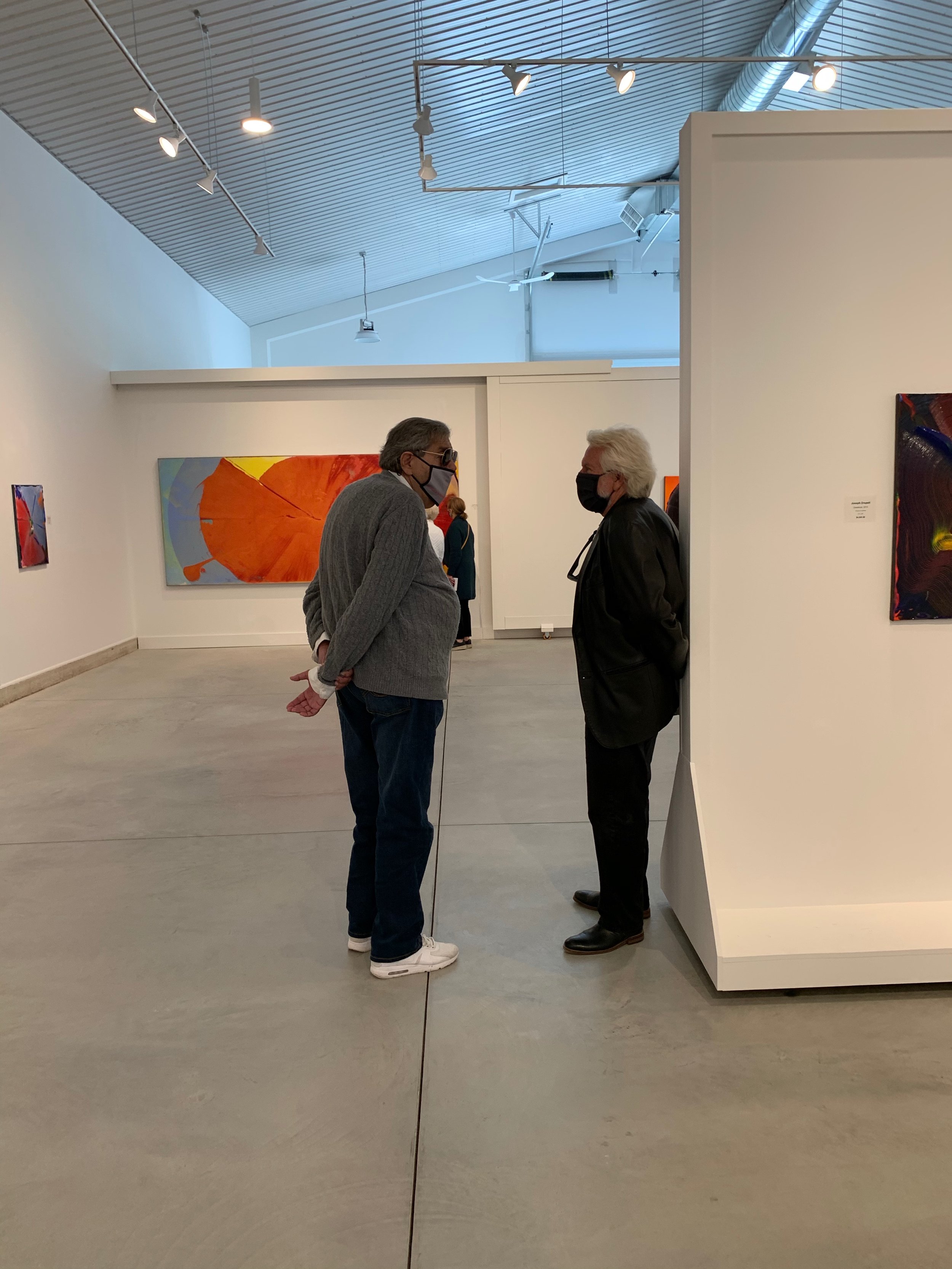
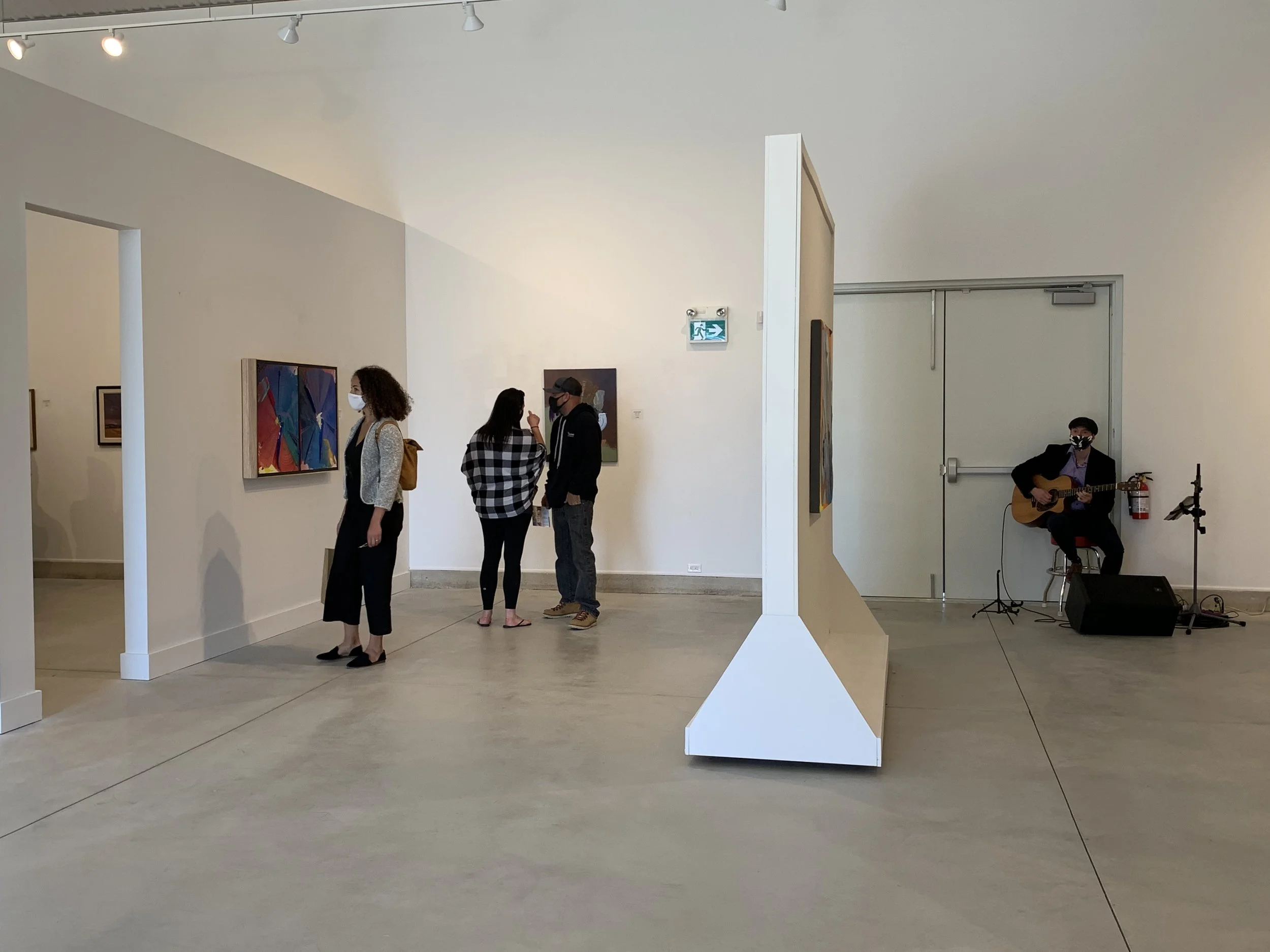
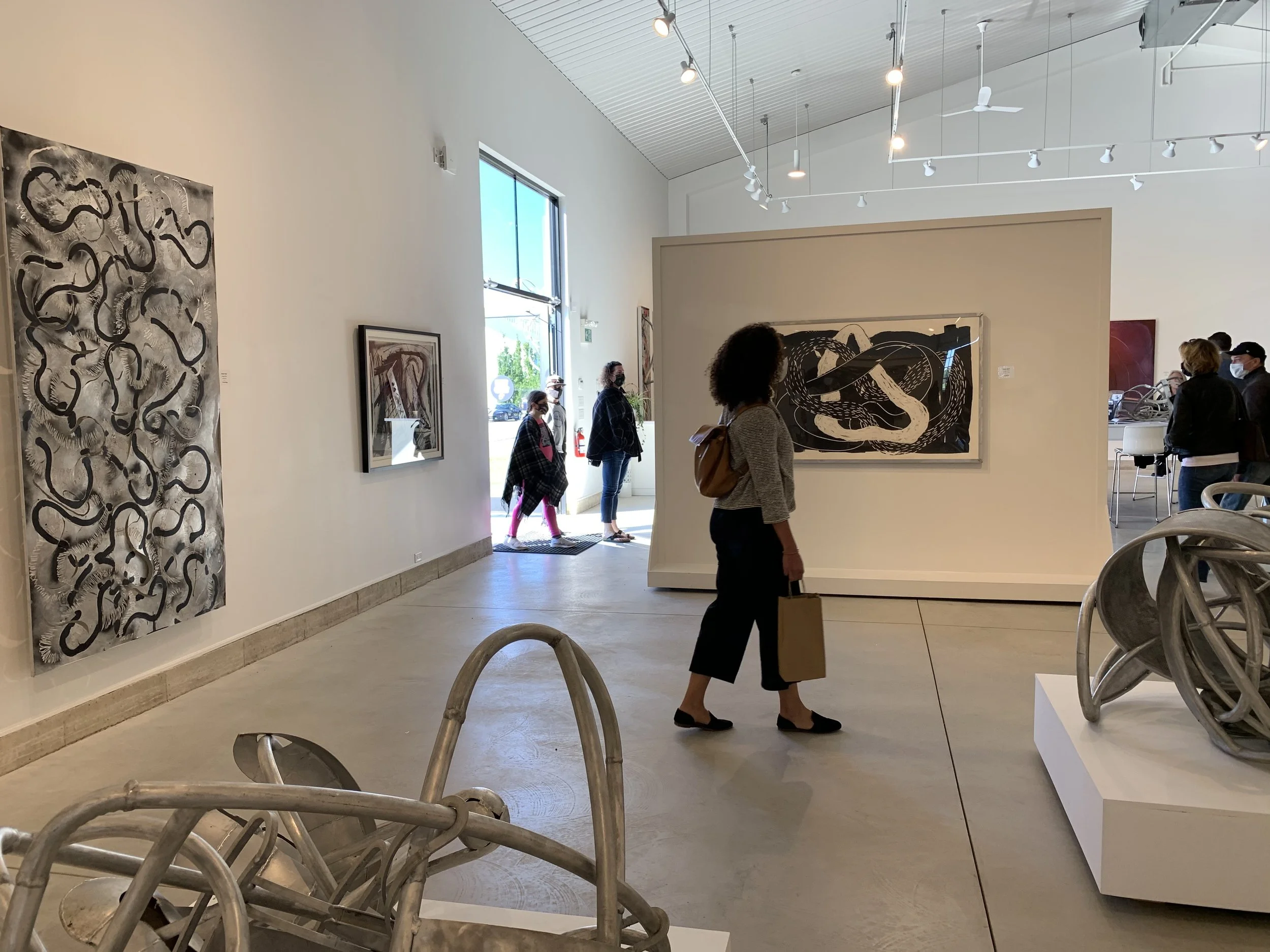
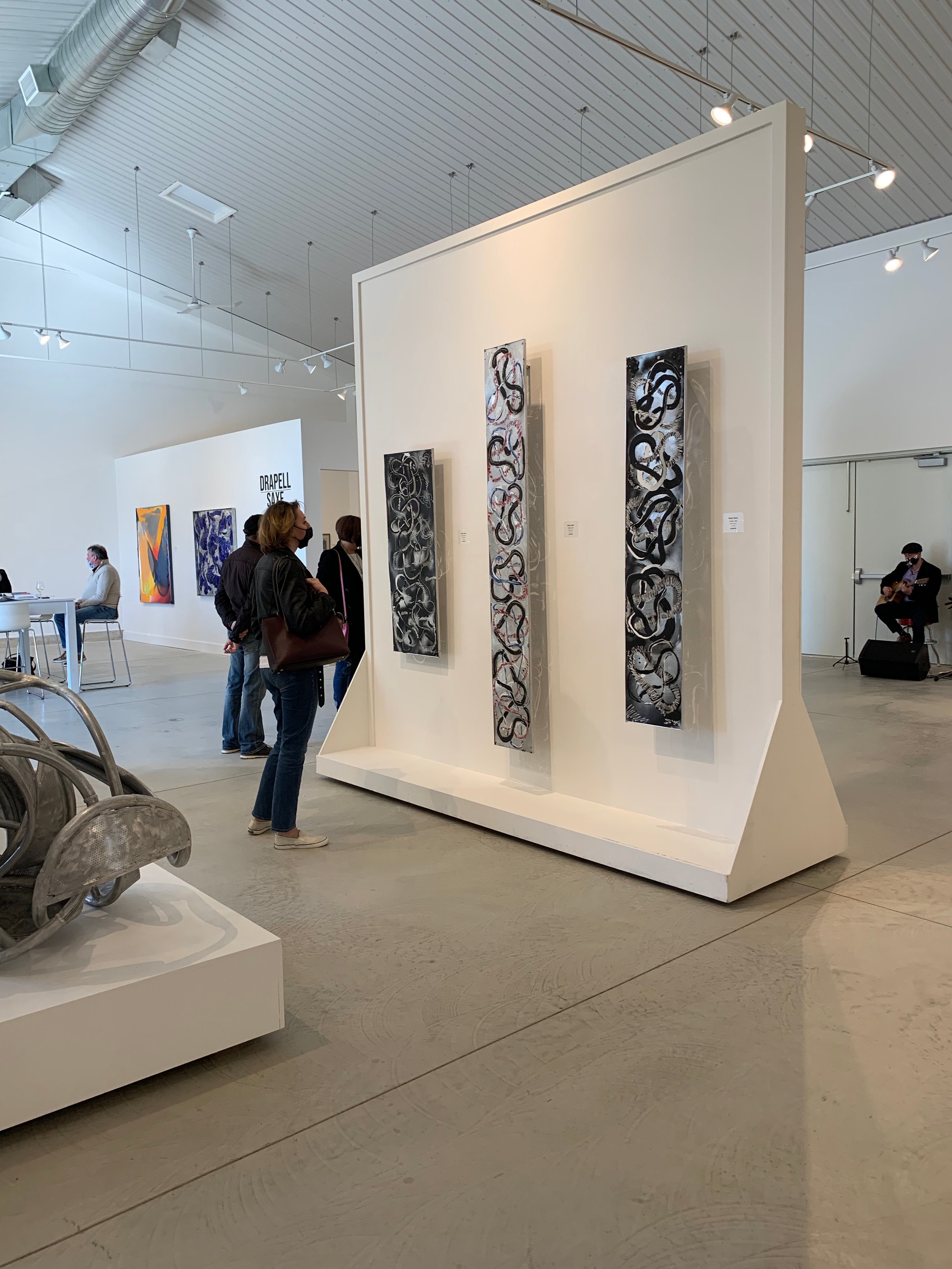
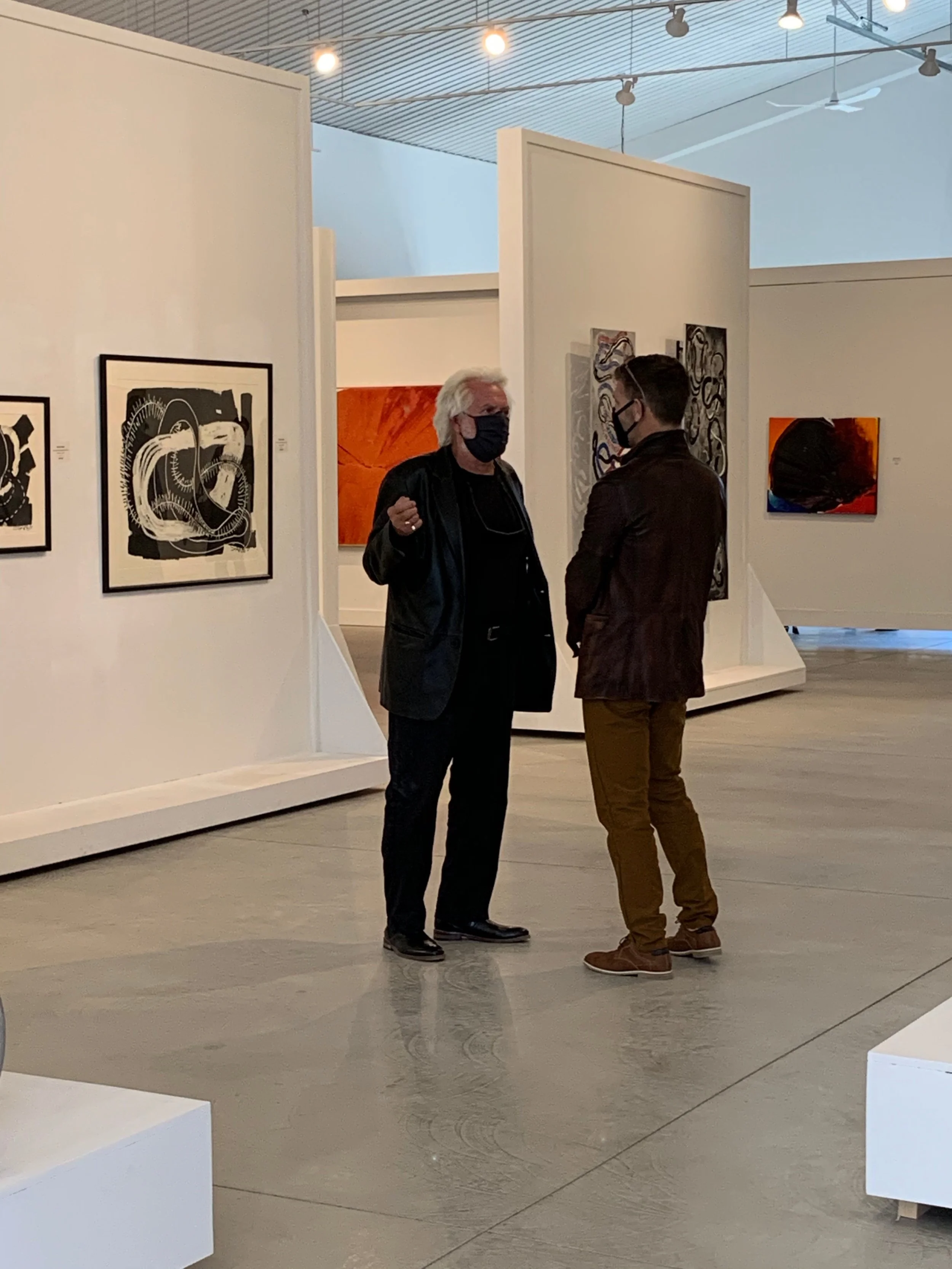
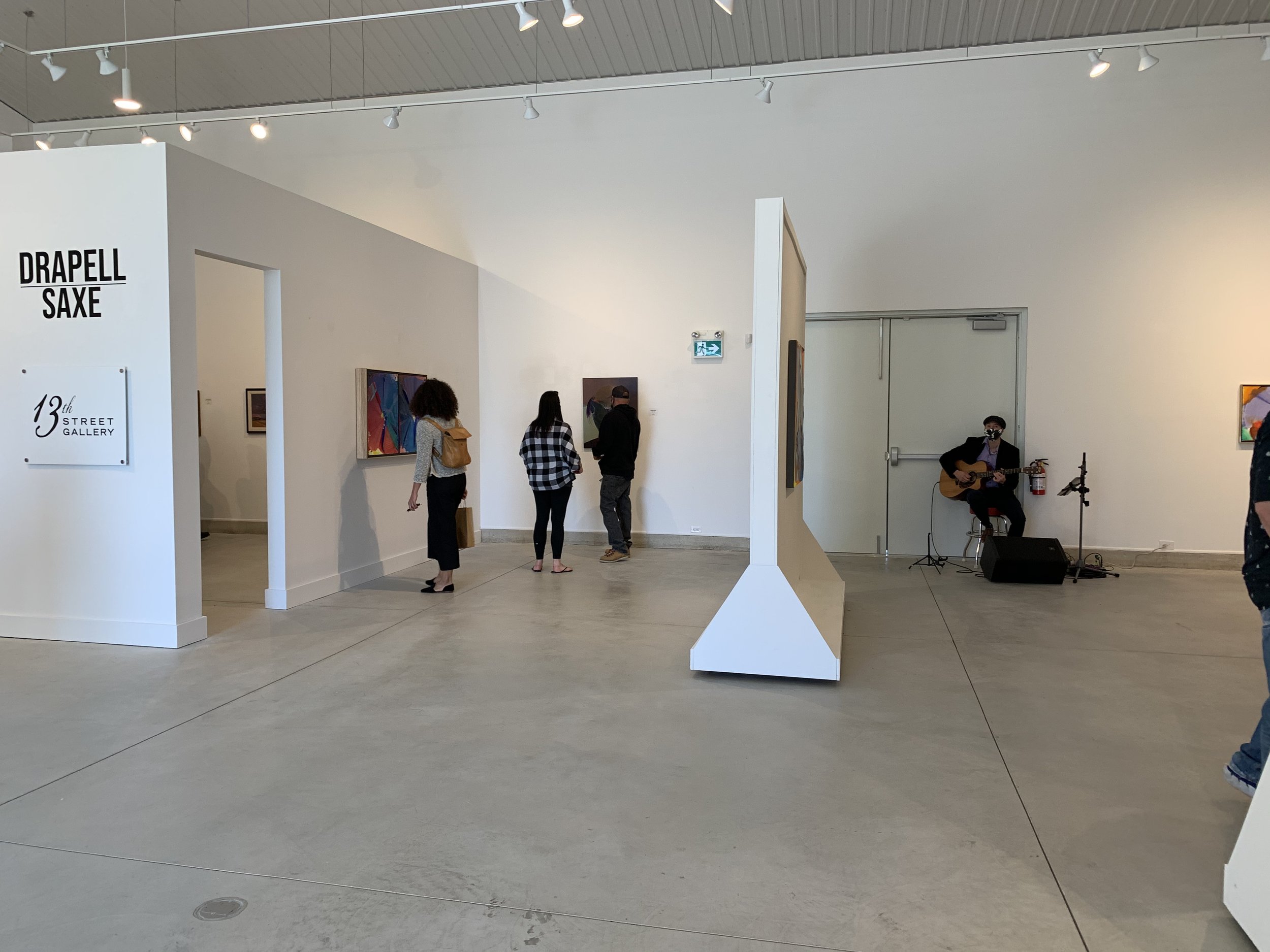
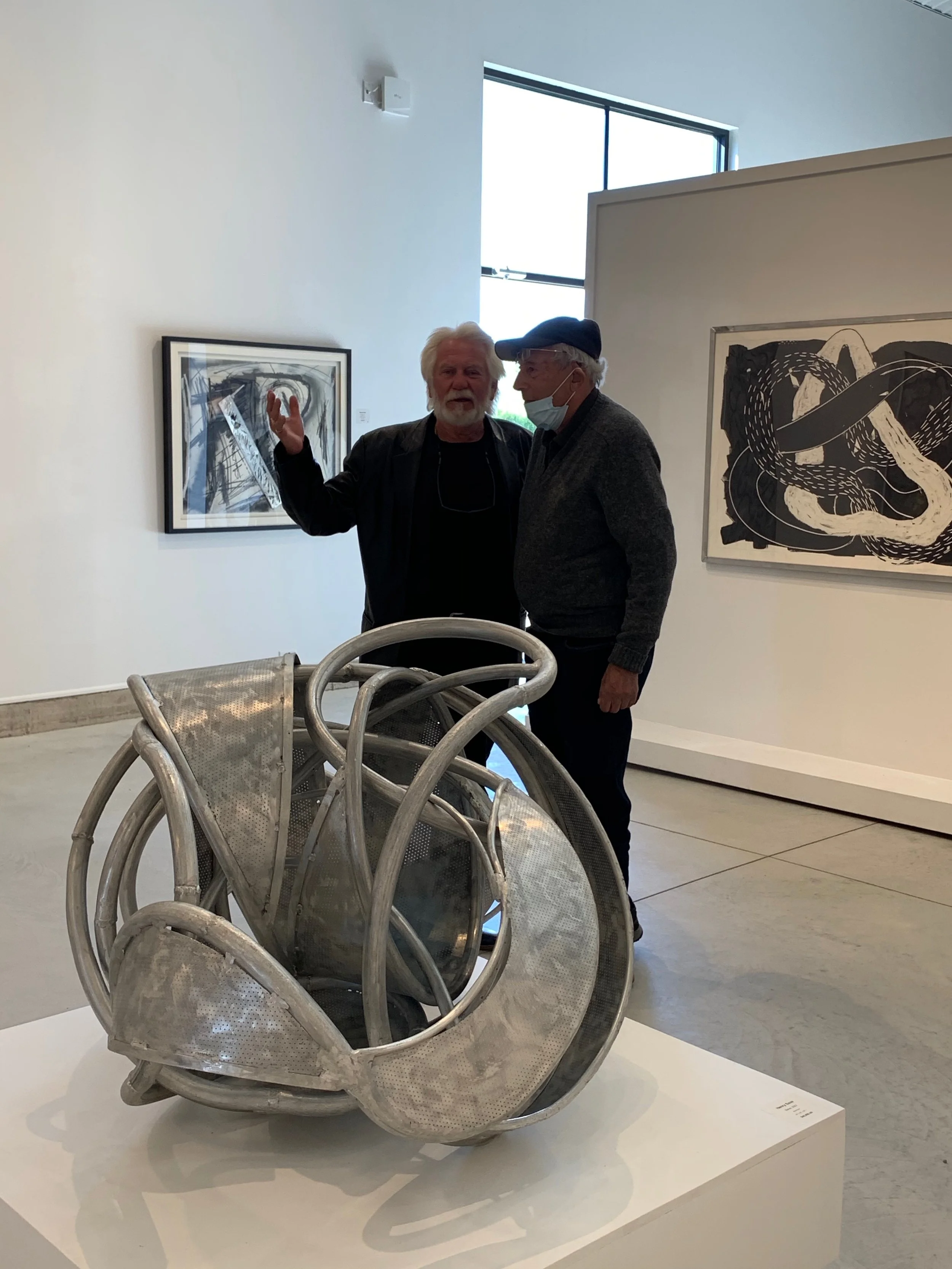
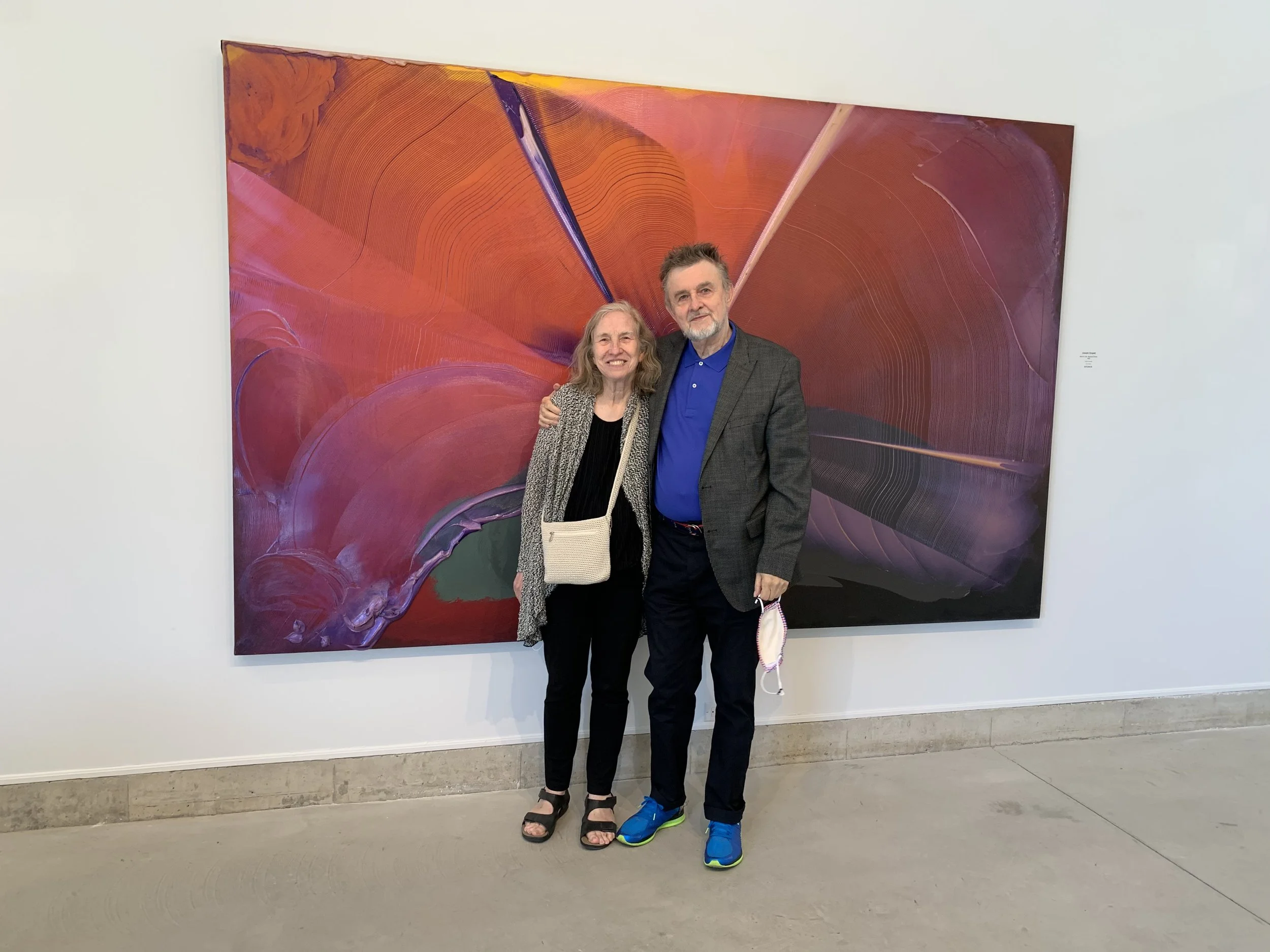
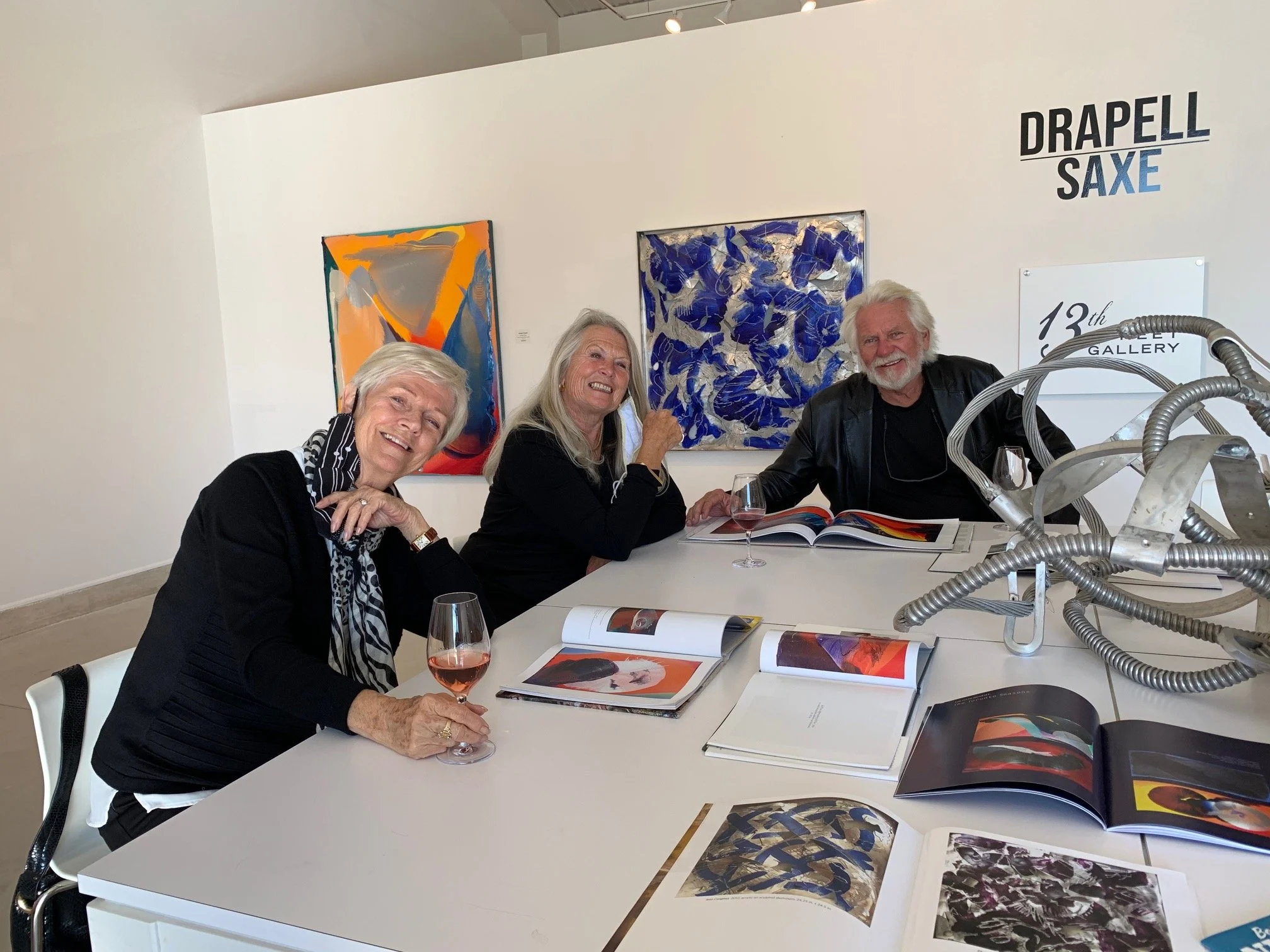
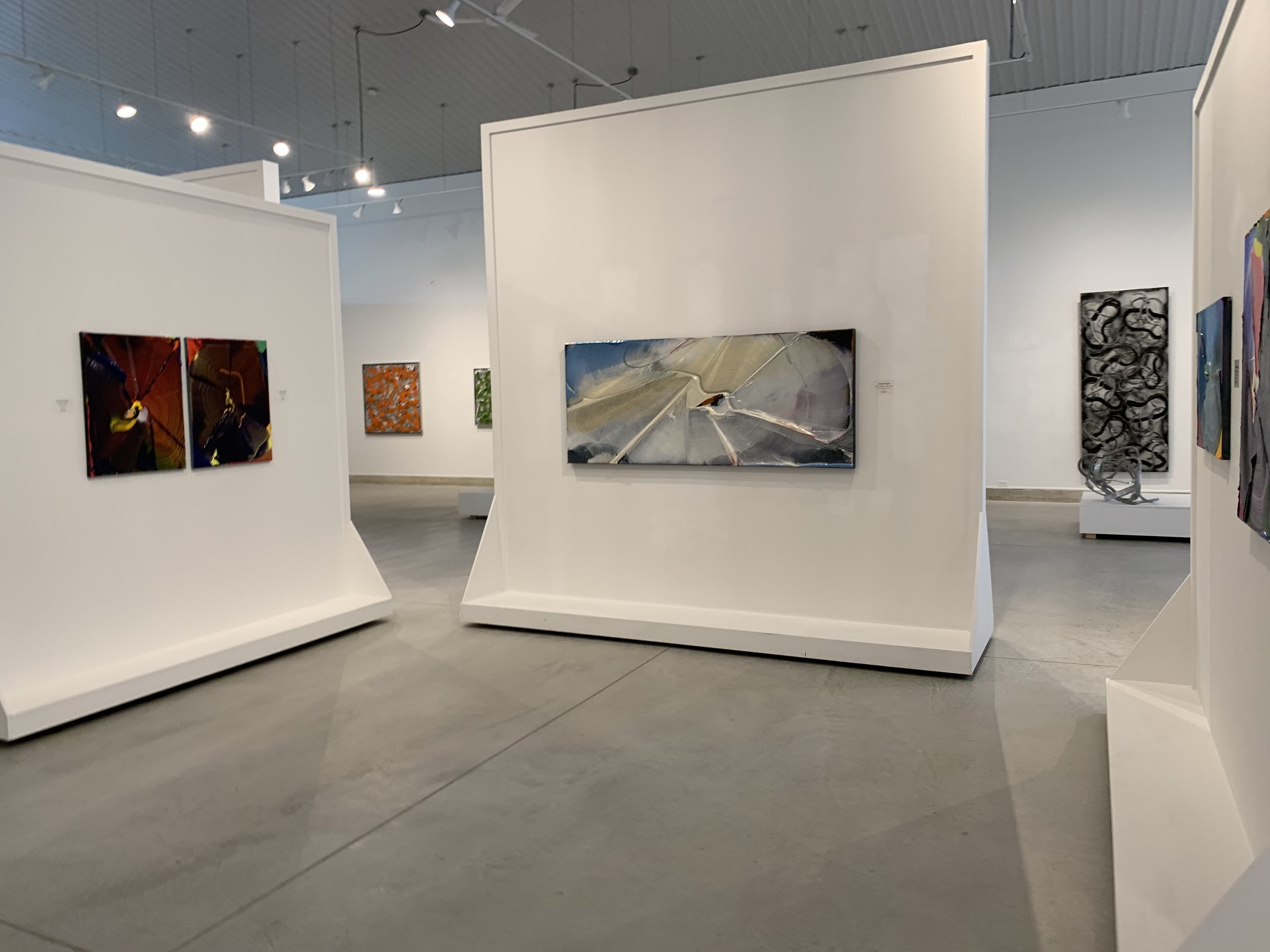
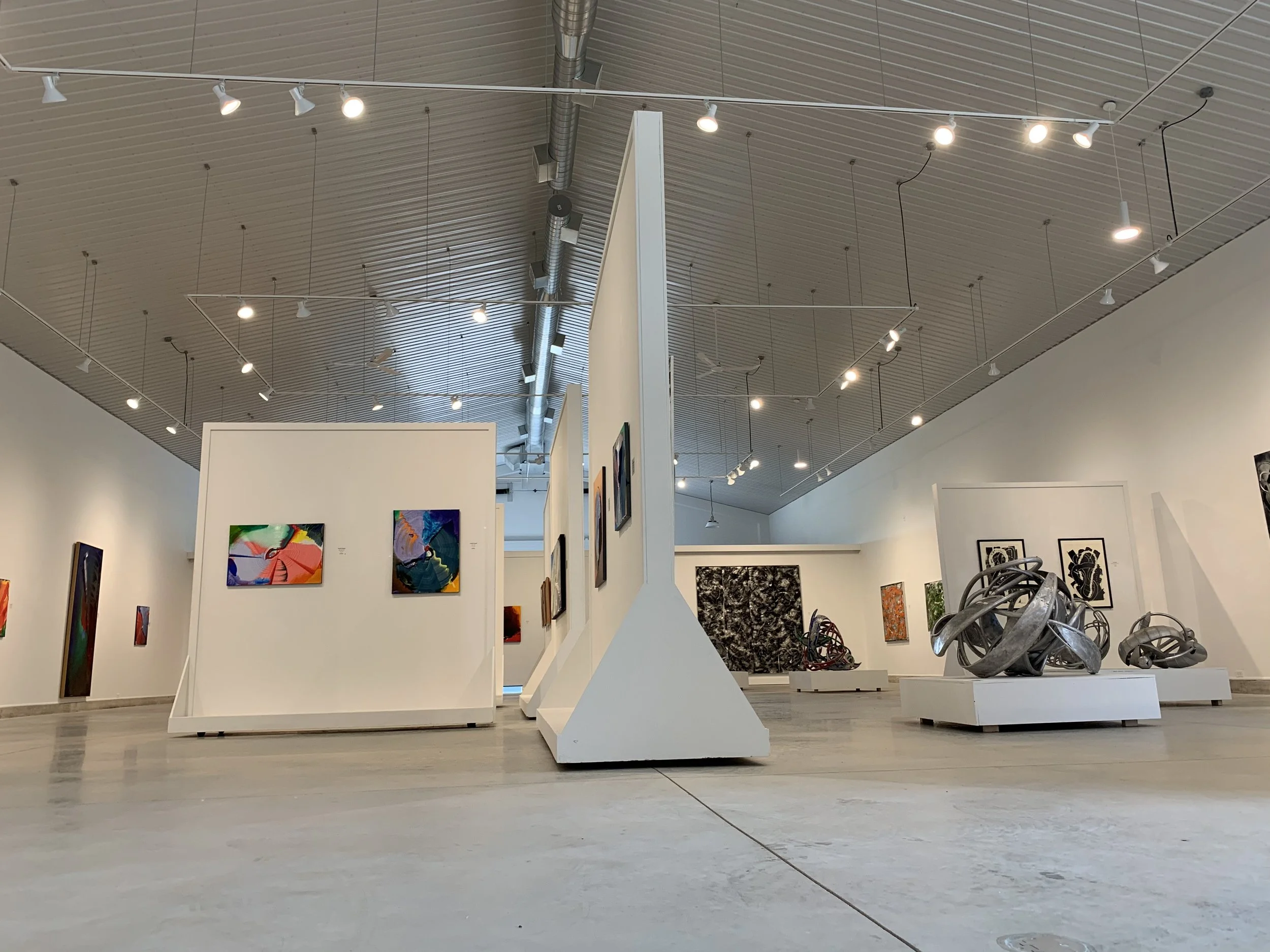
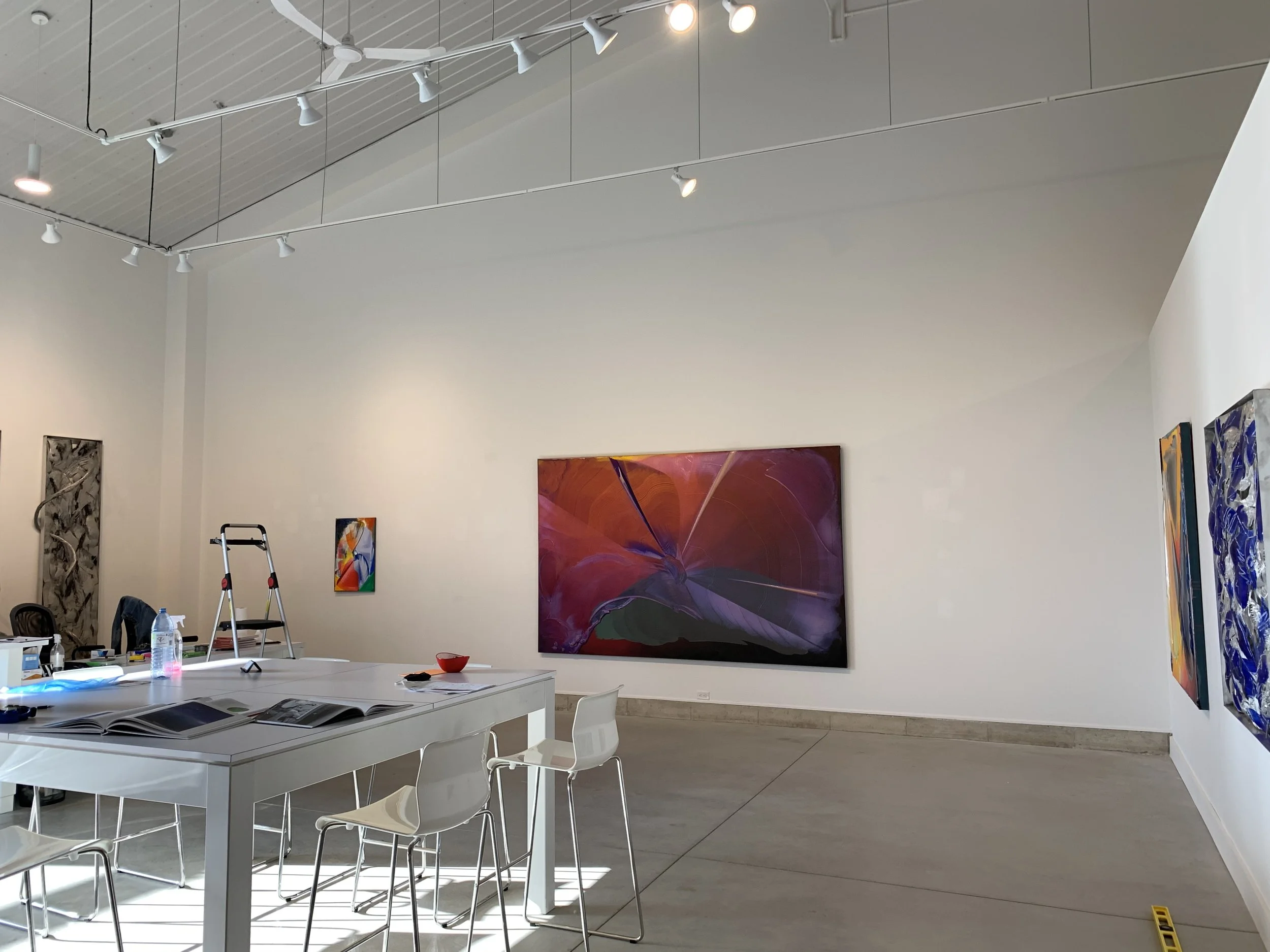
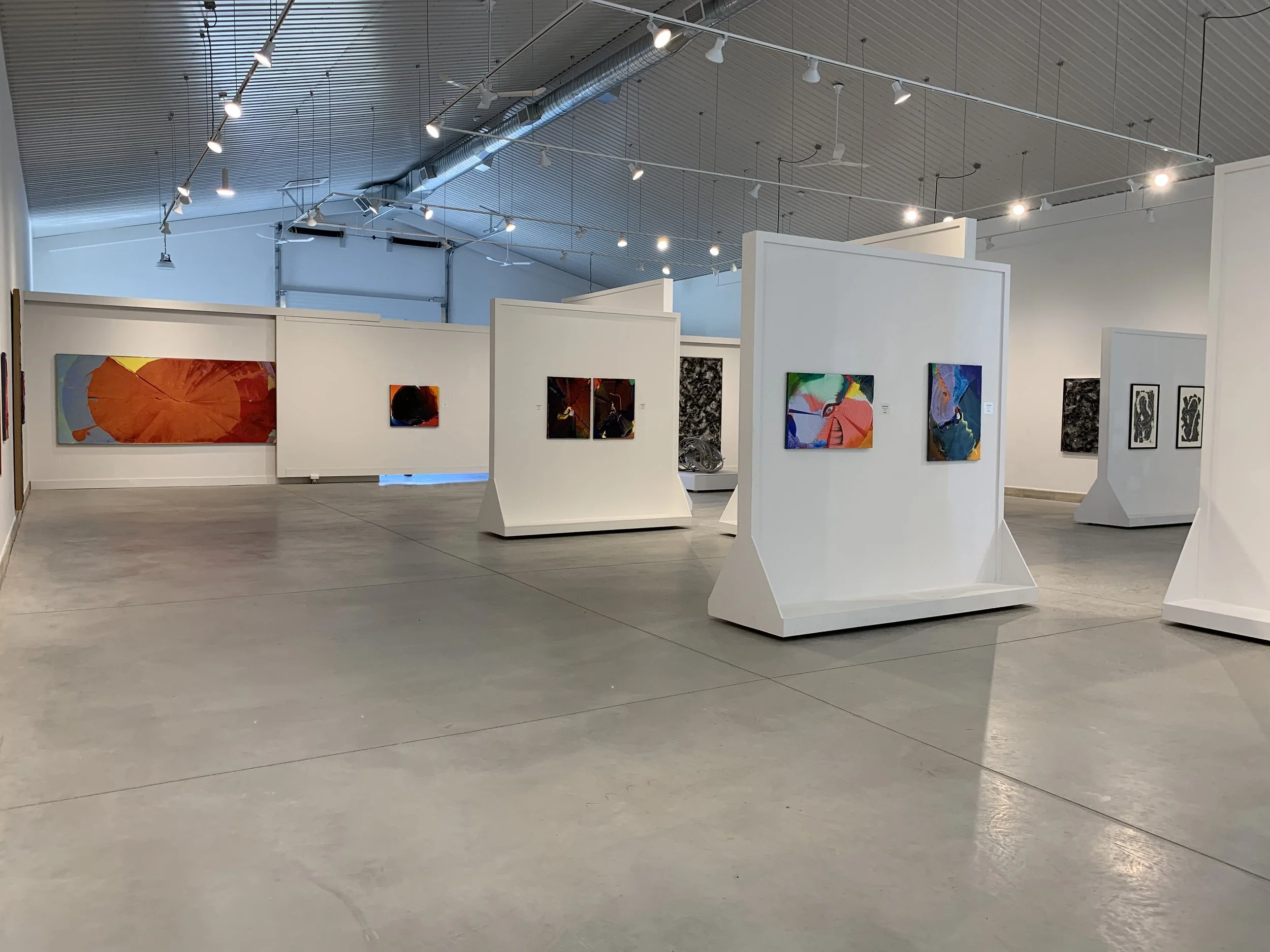
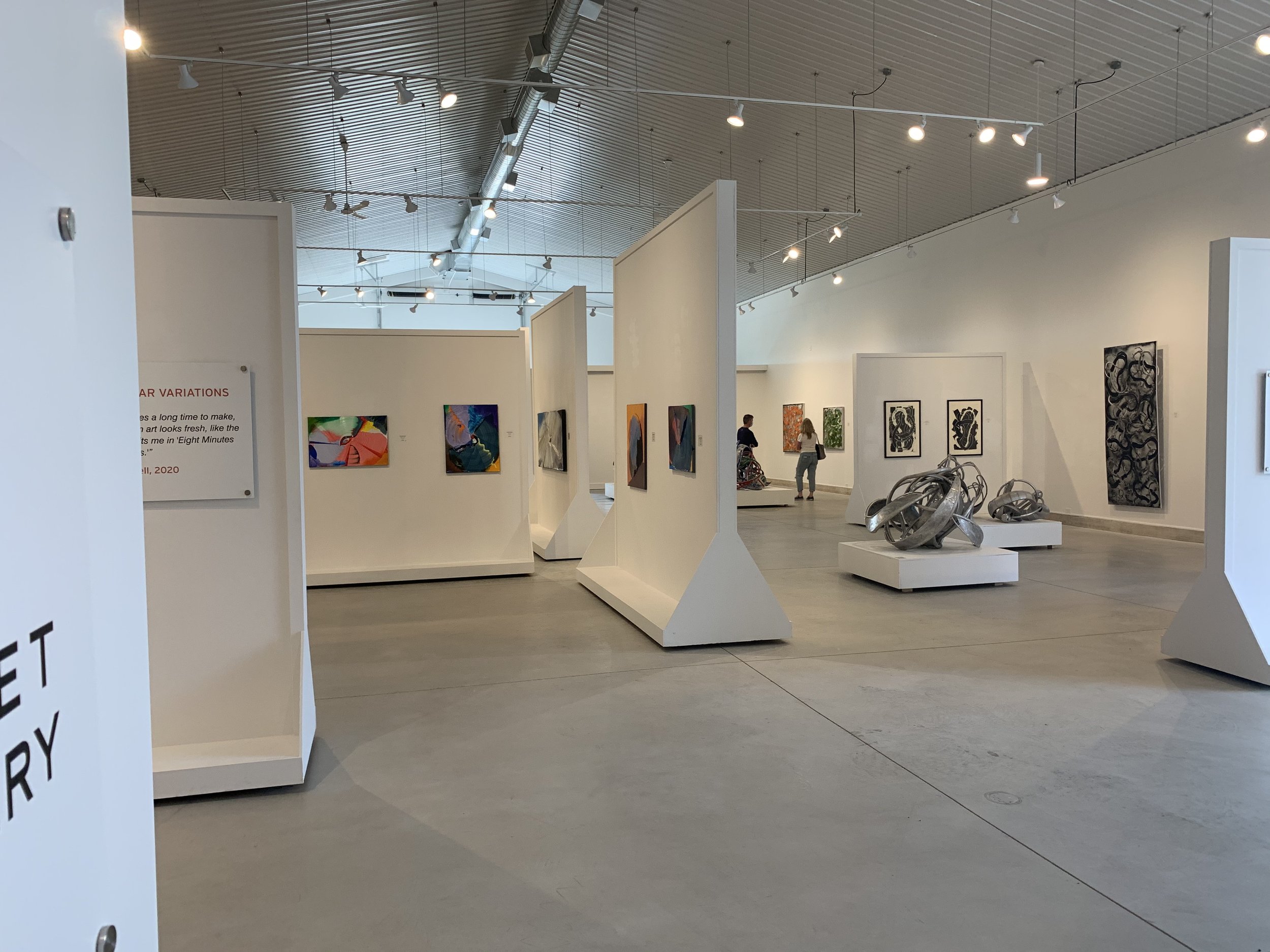
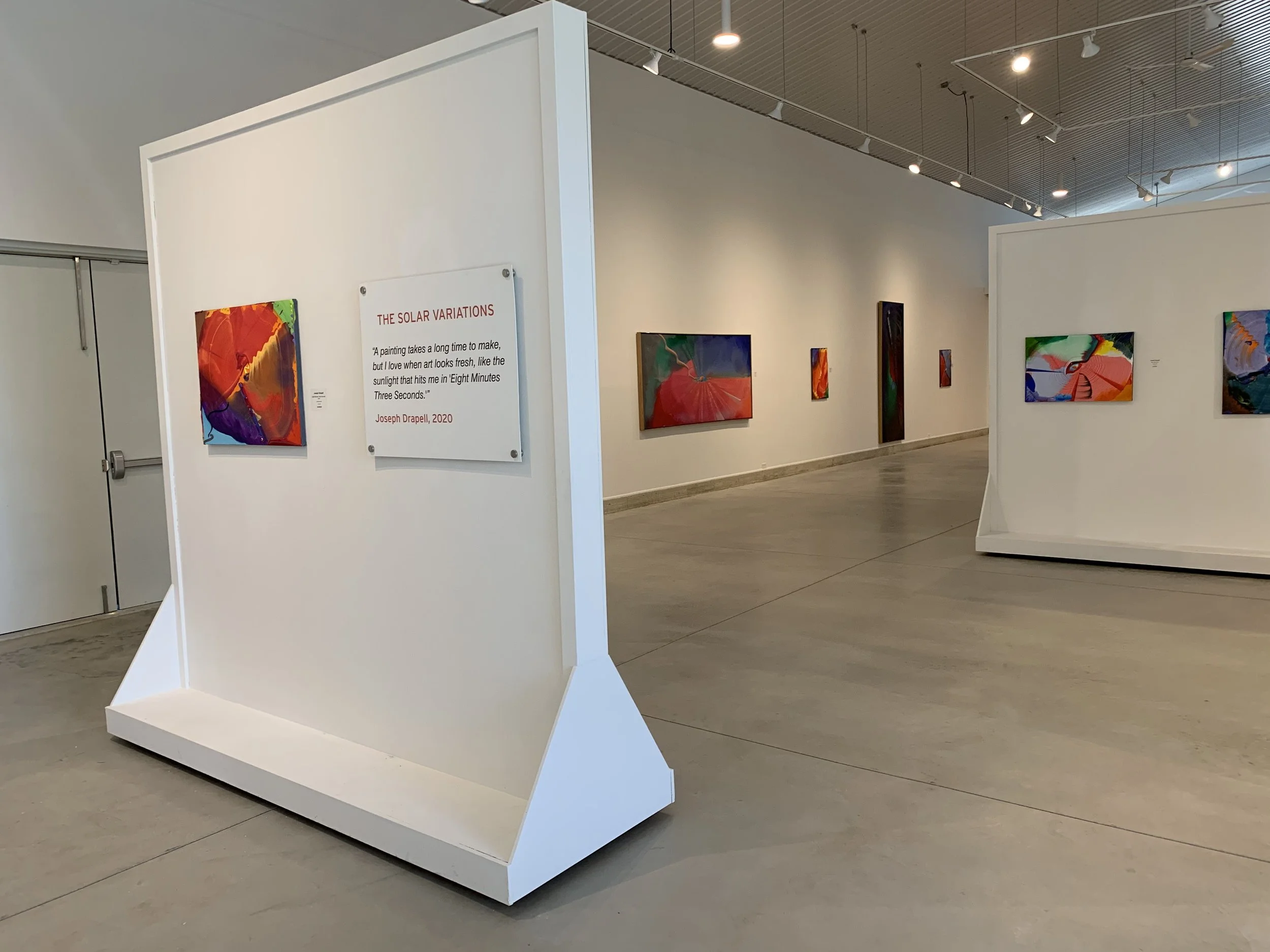
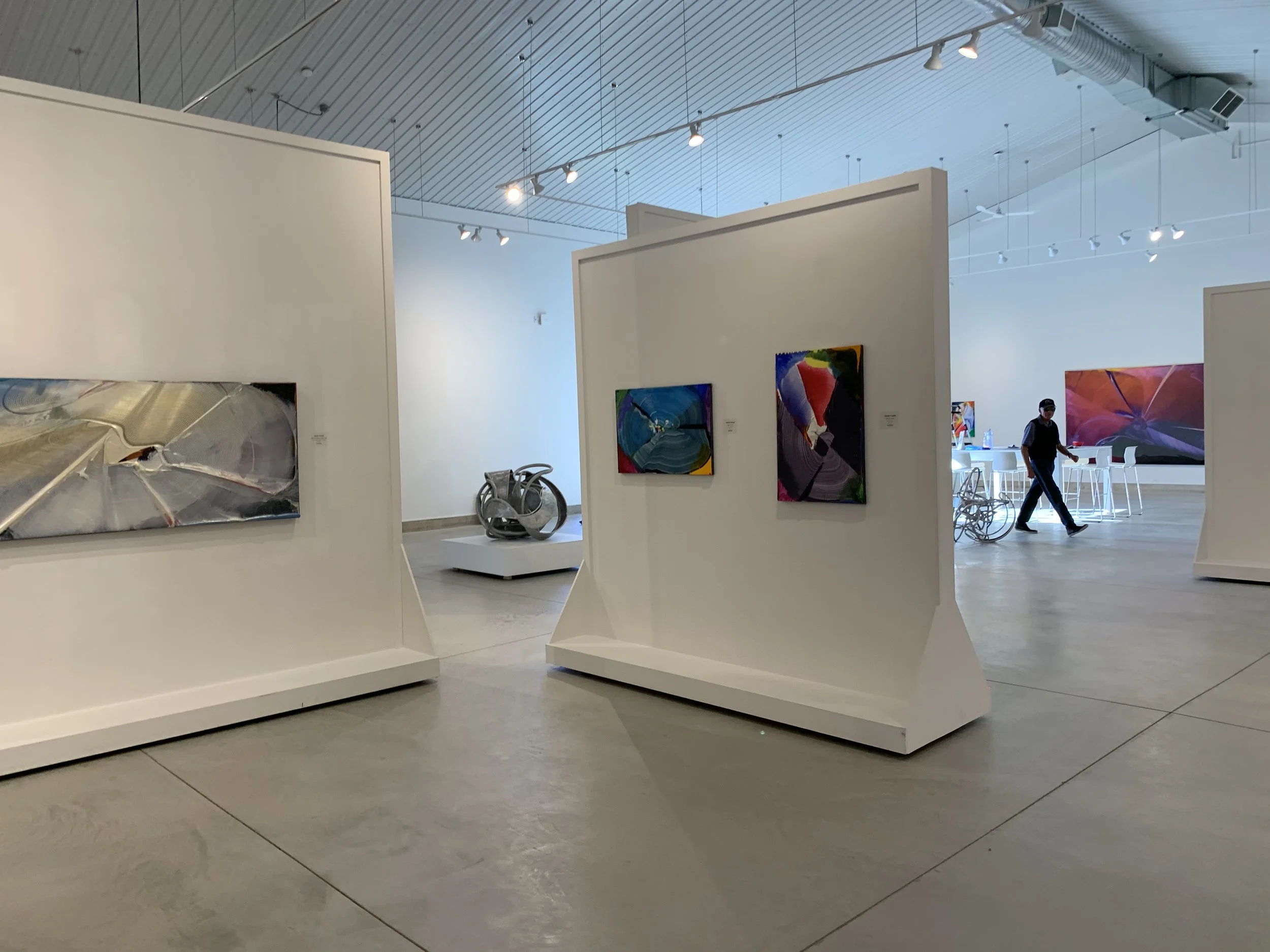
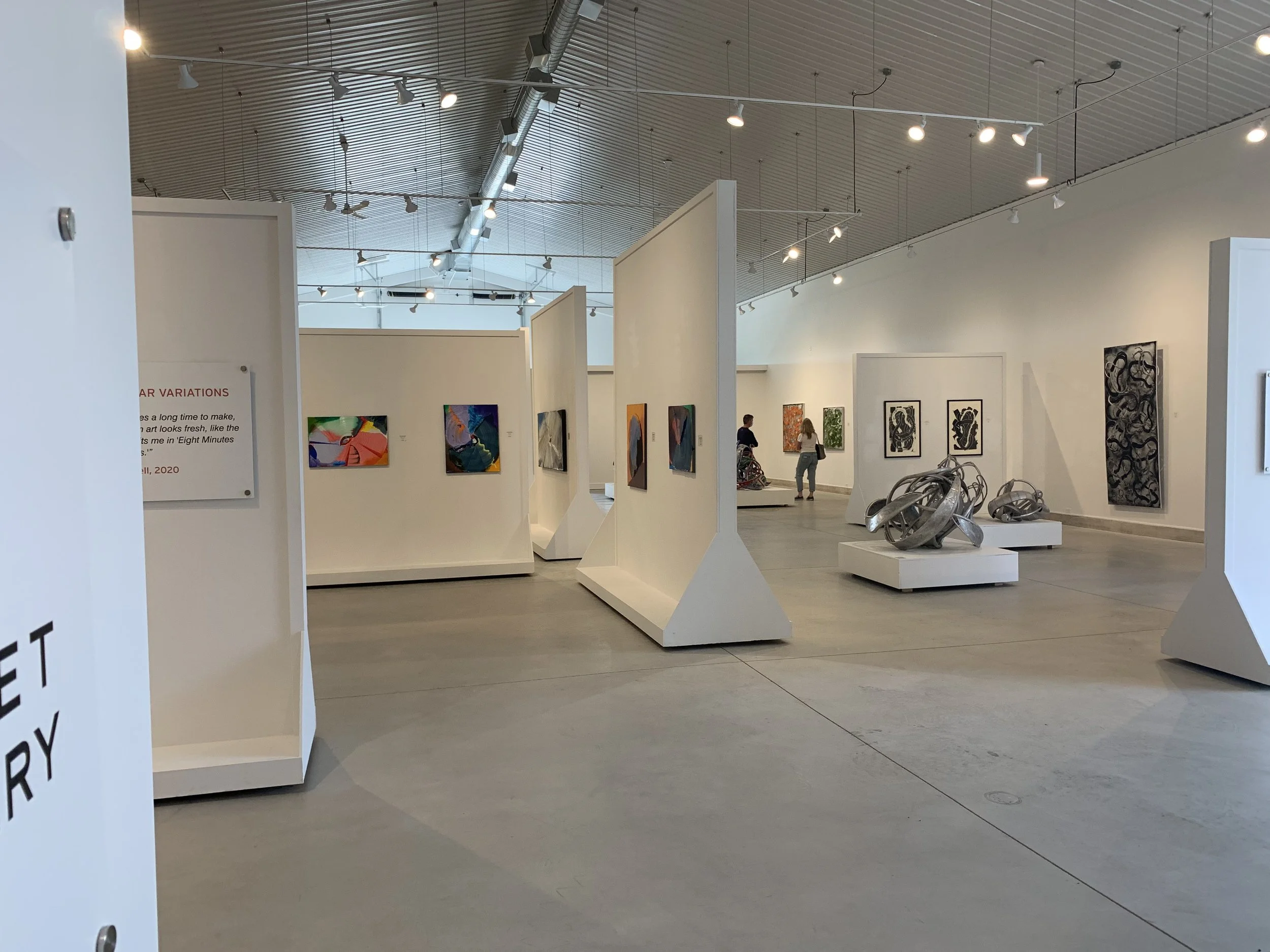
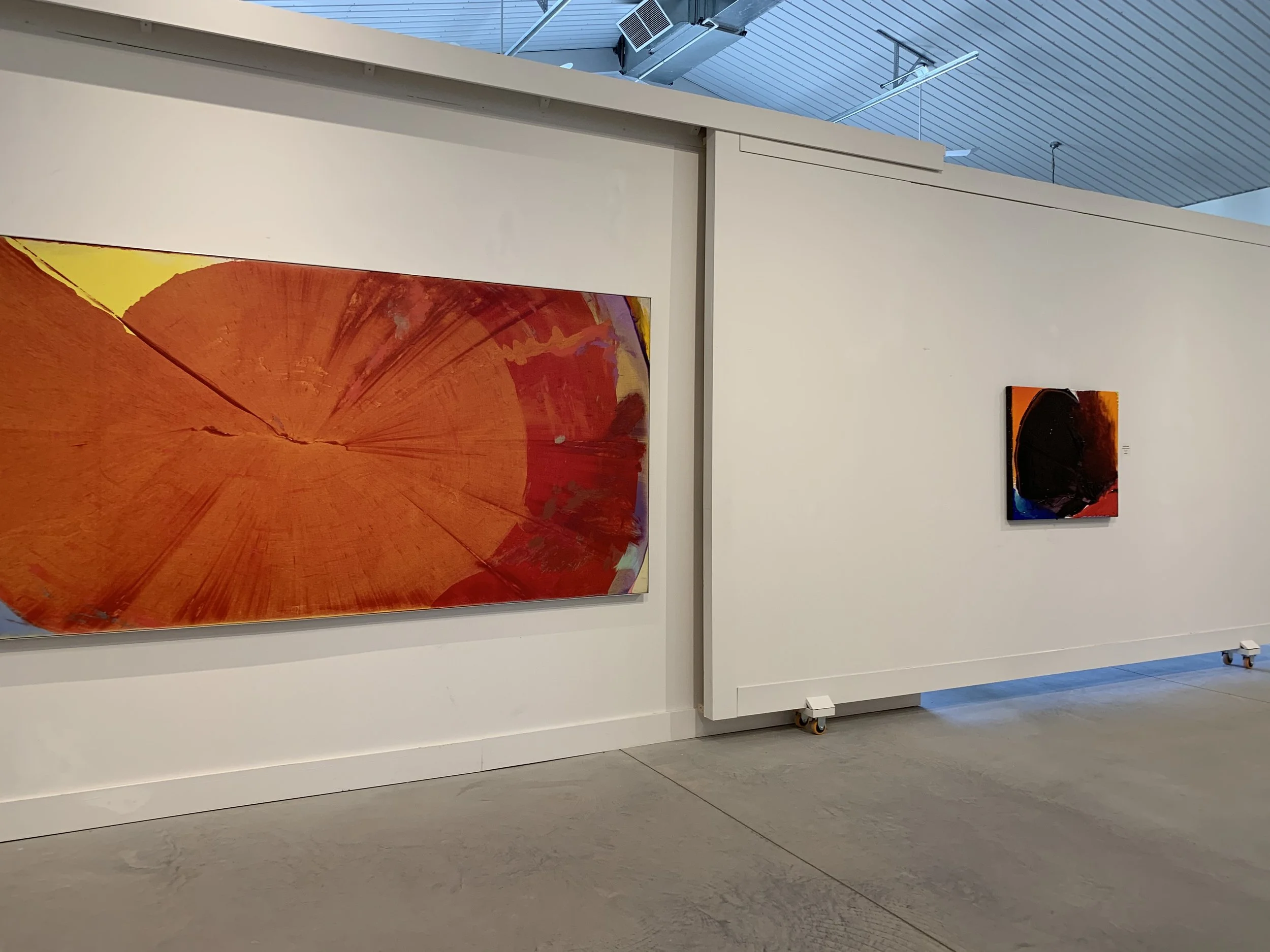
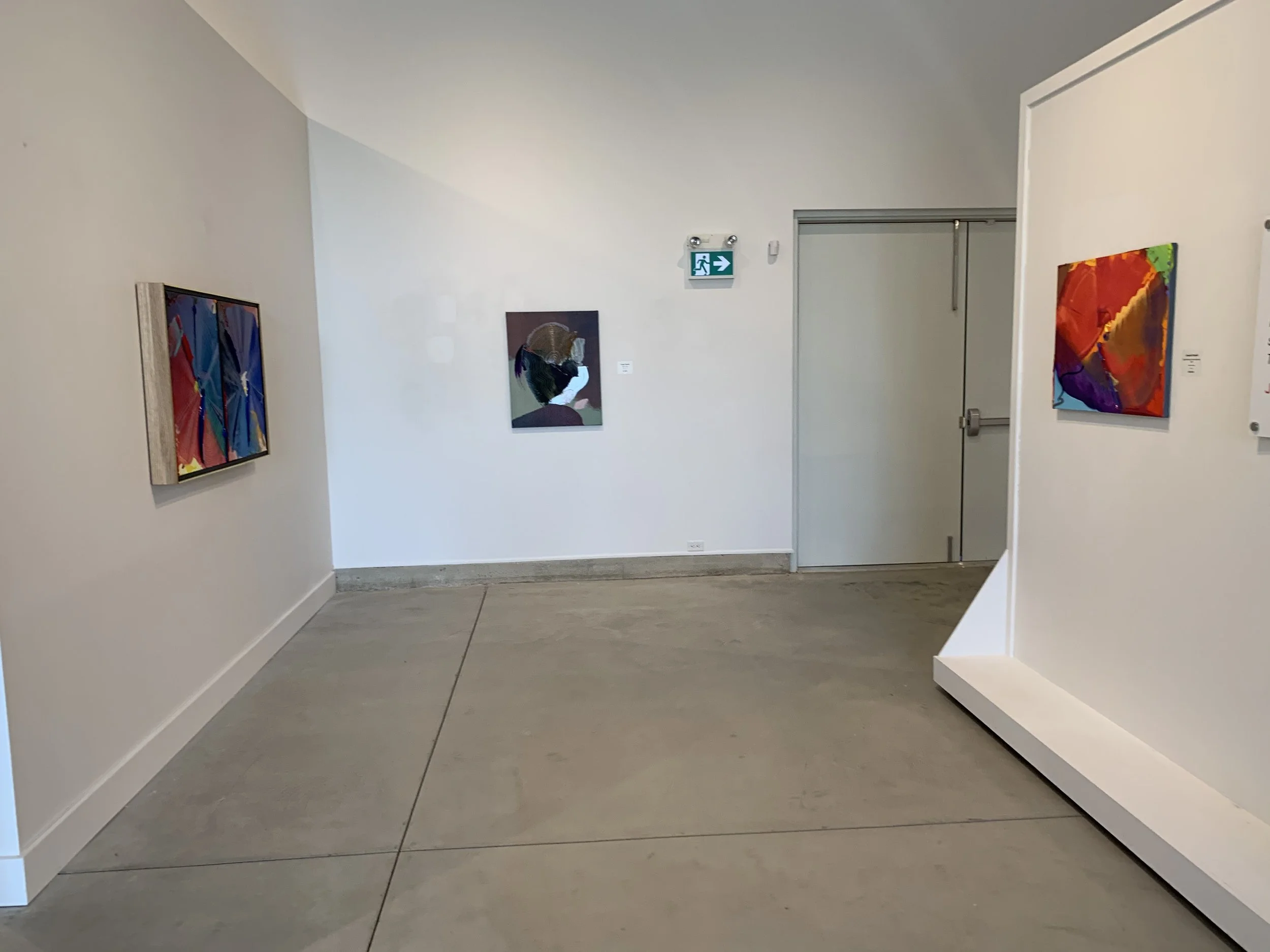
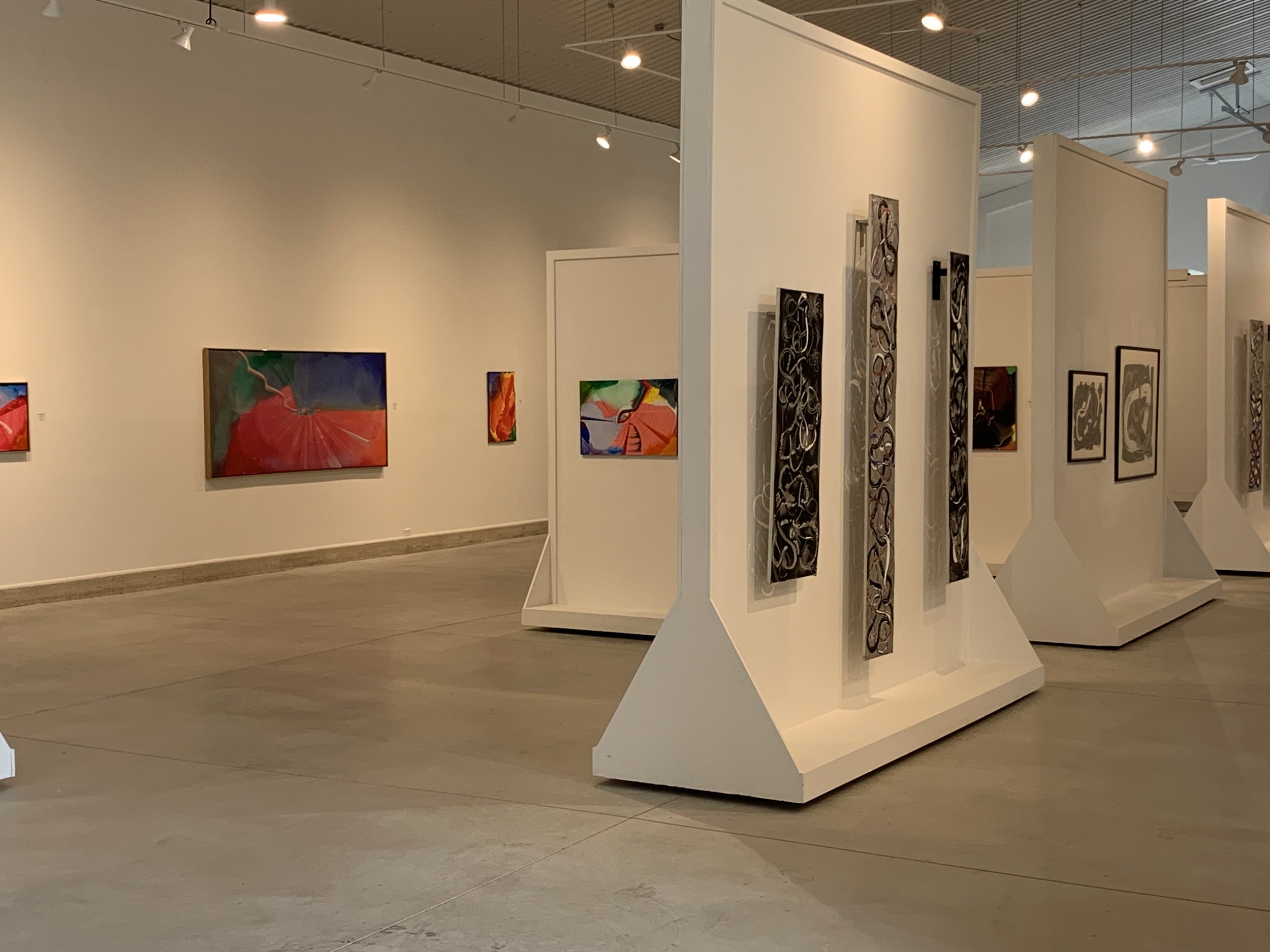
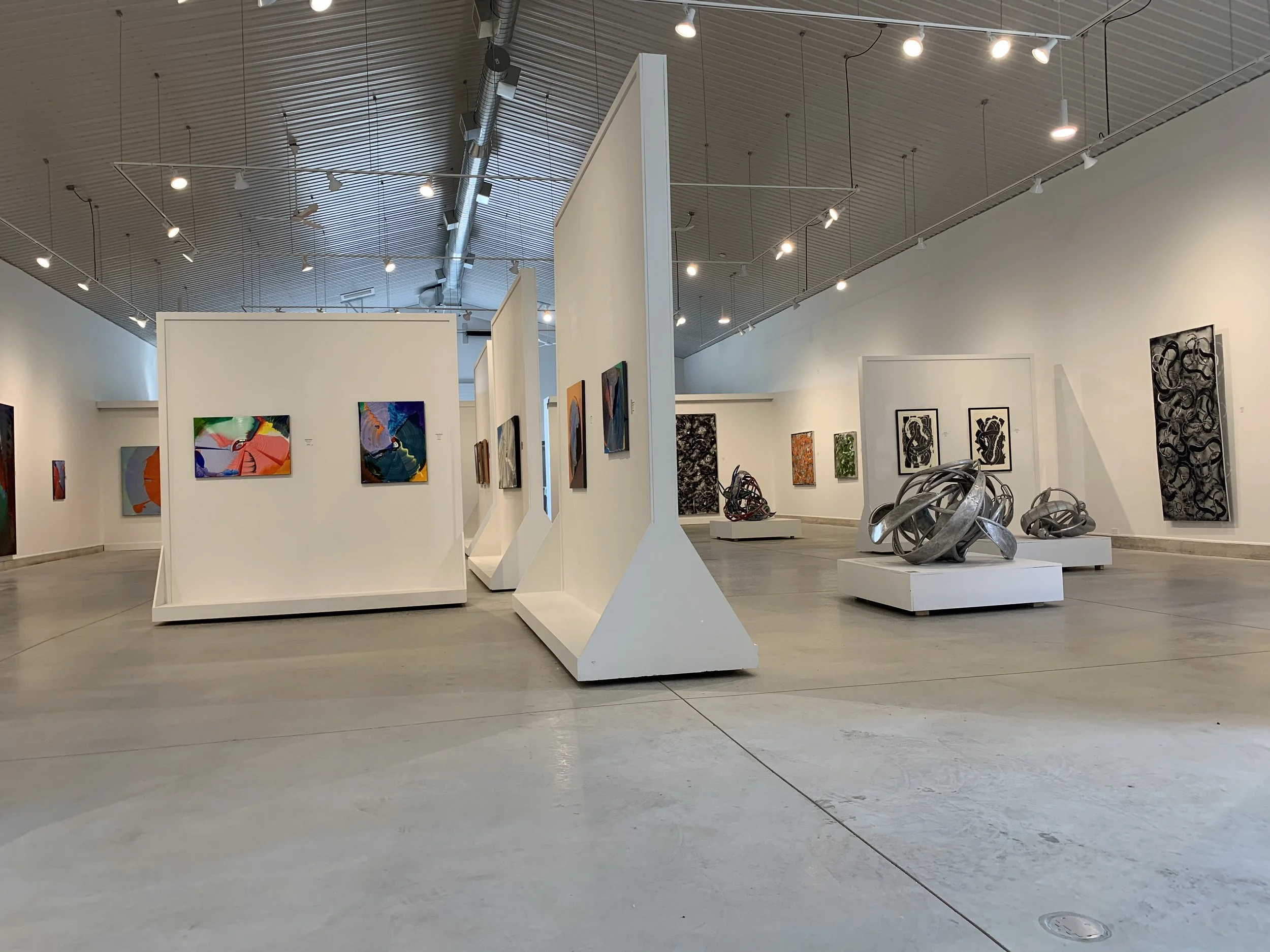
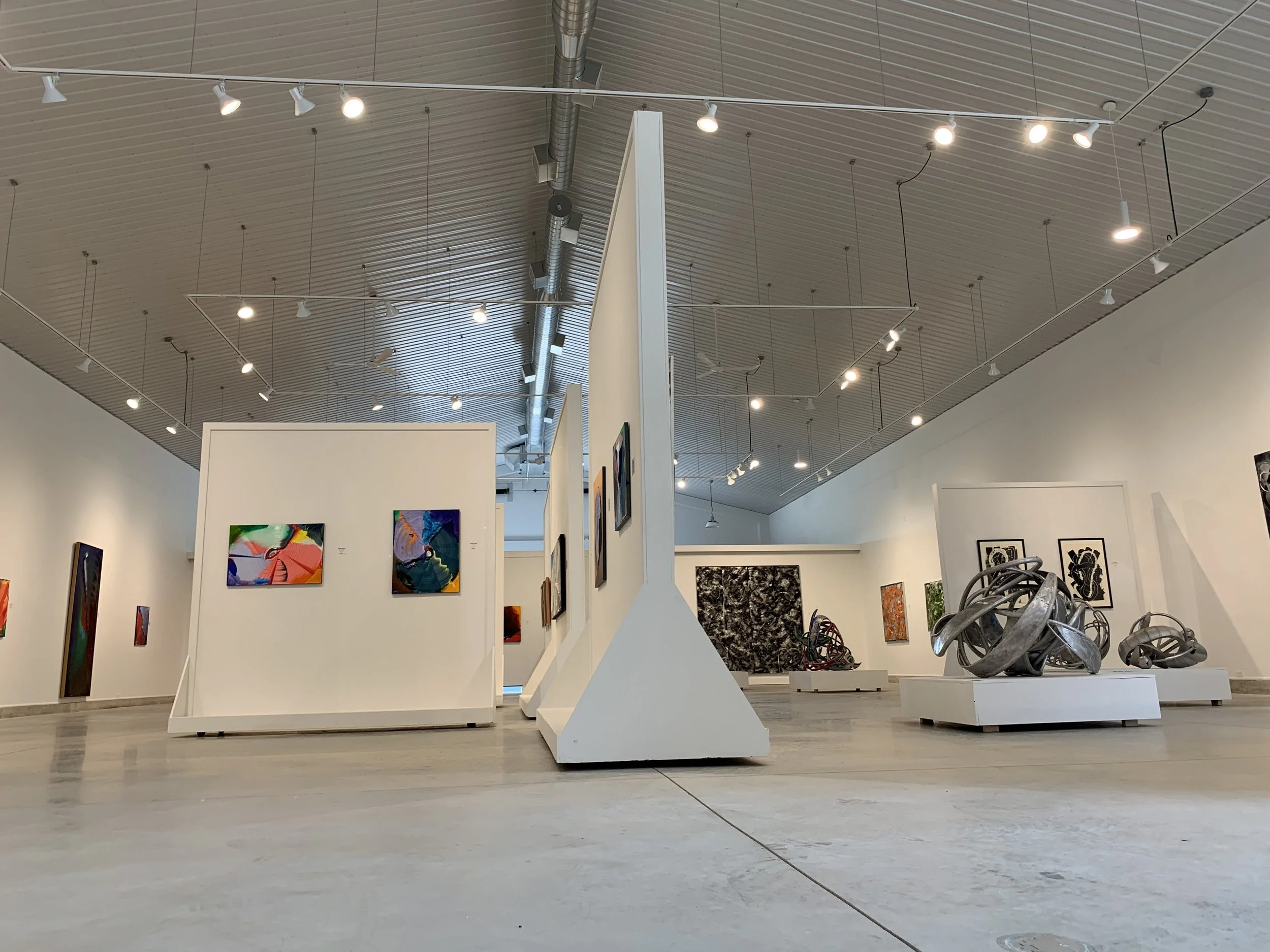
When their work was presented together in the exhibition DRAPELL/SAXE Exhibition at John Mann Gallery (formerly 13th Street Gallery) from September 19 to October 24, 2020, the result was more than a two-person exhibition. It became a visual conversation between colour and structure, gesture and balance, painting and object—revealing how two distinct artistic paths can converge within a shared language of abstraction.
Two Traditions of Canadian Abstraction
The emergence of abstraction in Canada during the mid-twentieth century was shaped by two powerful artistic centres: Toronto and Montreal. In Toronto, the groundbreaking painters of Painters Eleven rejected the dominance of landscape painting and embraced a bold, expressive modernism rooted in colour and gesture. Meanwhile in Montreal, the radical ideas that followed the manifesto Refus global helped establish a fertile environment for non-figurative experimentation.
From these early movements grew distinct but interconnected traditions of abstraction. Drapell and Saxe emerged from this second generation of artists—those who inherited the breakthroughs of the 1950s and expanded them into new territory.
Joseph Drapell: Colour as Experience
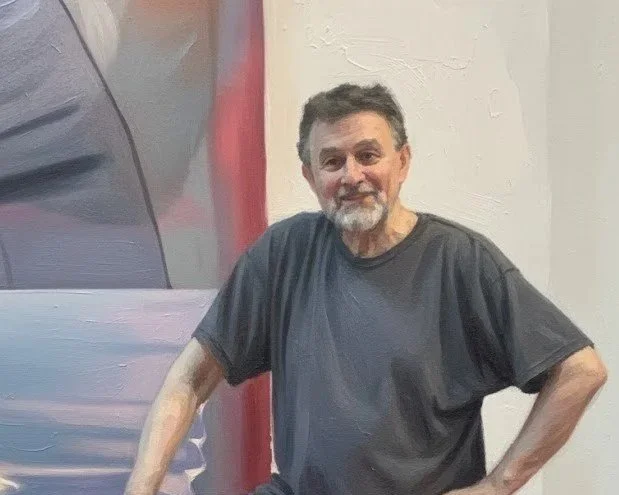
Joseph Drapell’s work represents one of the most compelling continuations of the painterly abstraction that developed after Painters Eleven.
Arriving in Canada from Czechoslovakia in 1966, Drapell quickly established himself as a fiercely independent voice within the evolving language of modern painting.
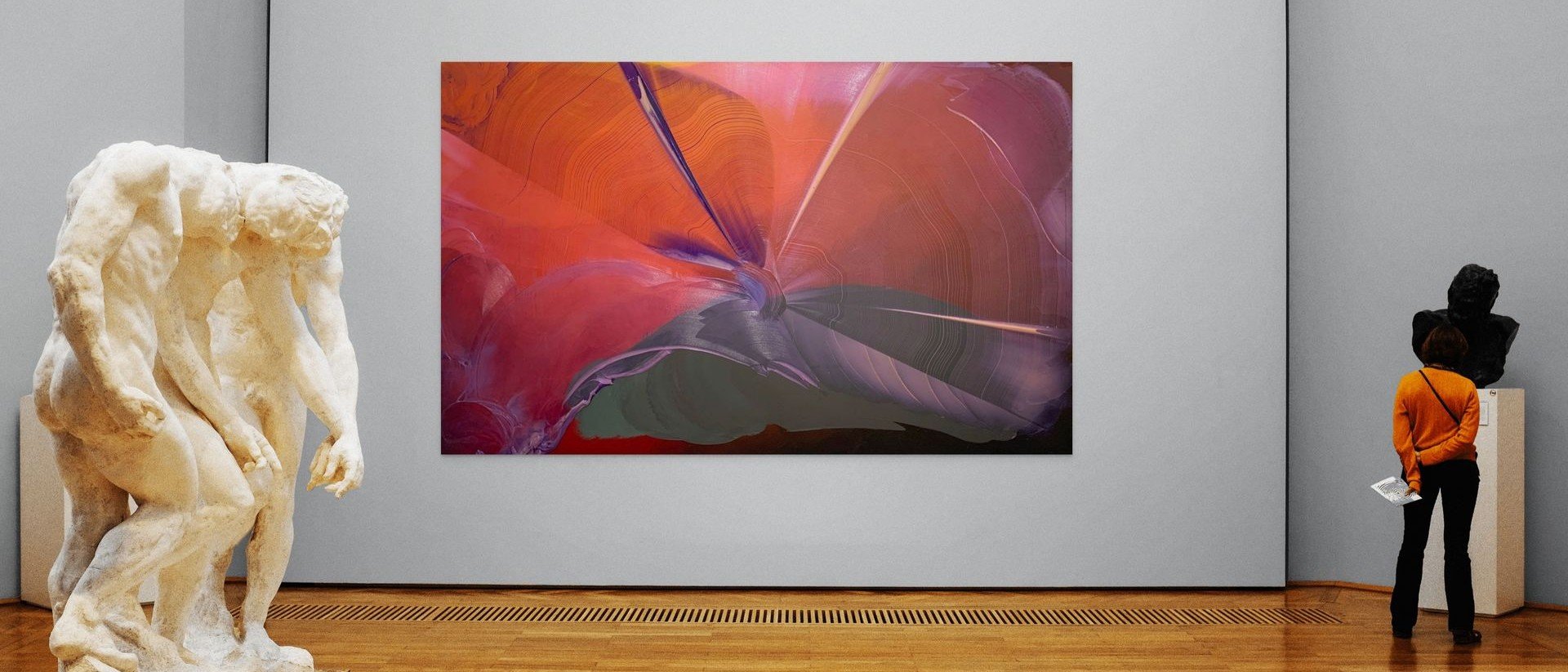
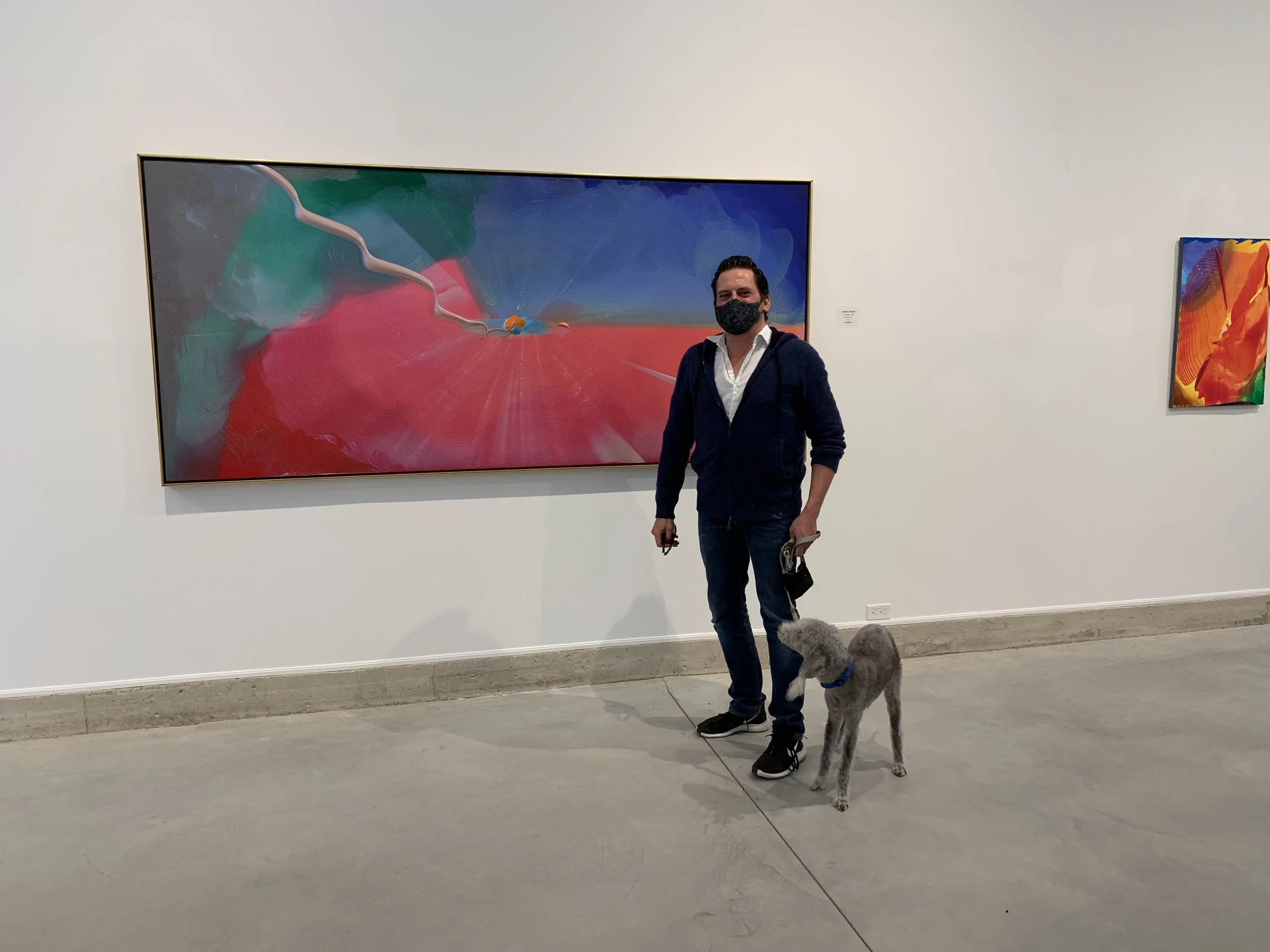
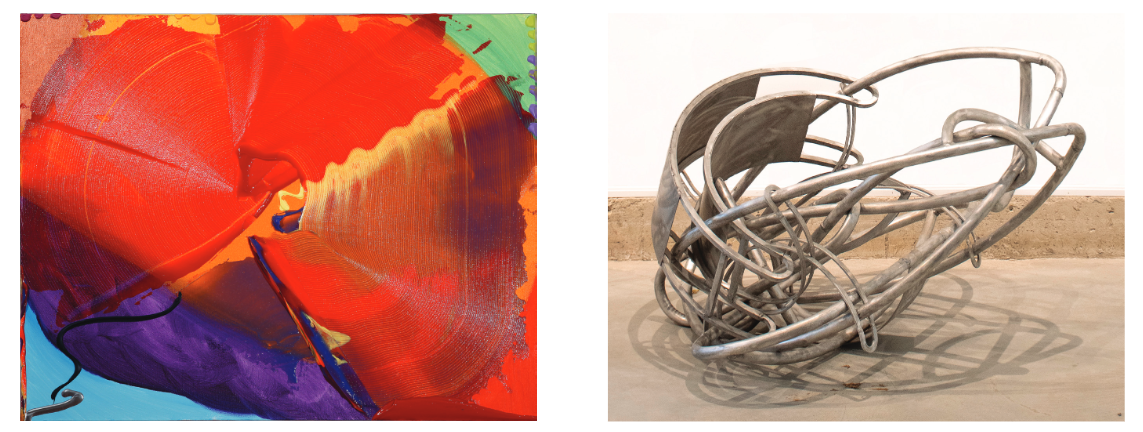
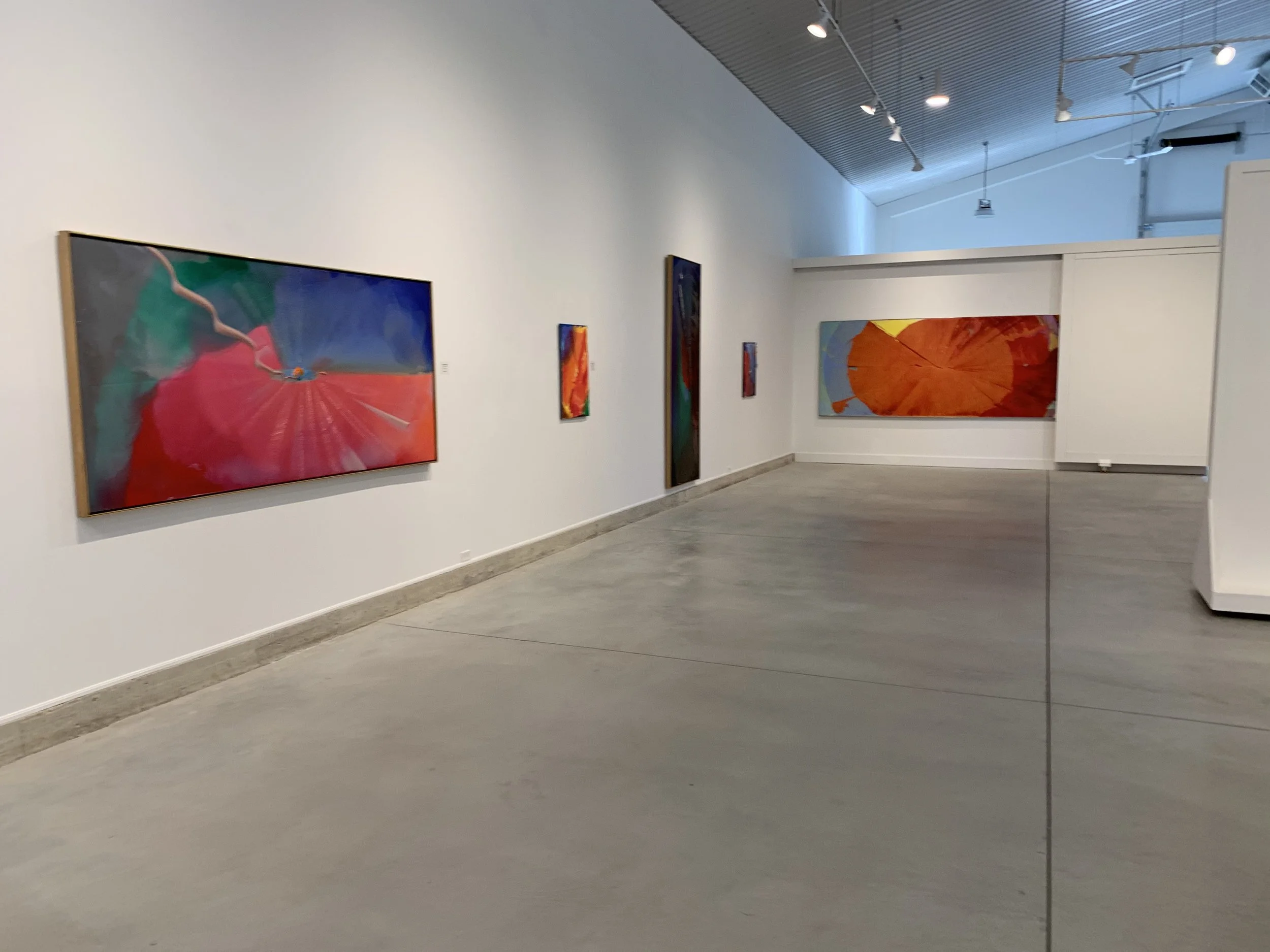
His monumental canvases are defined by sweeping arcs and layered veils of colour created through a unique spreading technique he developed in the early 1970s. Using a broad device attached to a movable support, Drapell allows acrylic paint to flow across large surfaces in controlled yet fluid movements. The result is a field of luminous colour that appears both atmospheric and architectural.
Although entirely abstract, these works often evoke the vast horizons and shifting light of the Canadian landscape—particularly the environment of Georgian Bay, which Drapell has described as his spiritual home. For the artist, abstraction becomes a means of translating sensory experience into pure colour and gesture.
Henry Saxe: Sculpture in Motion
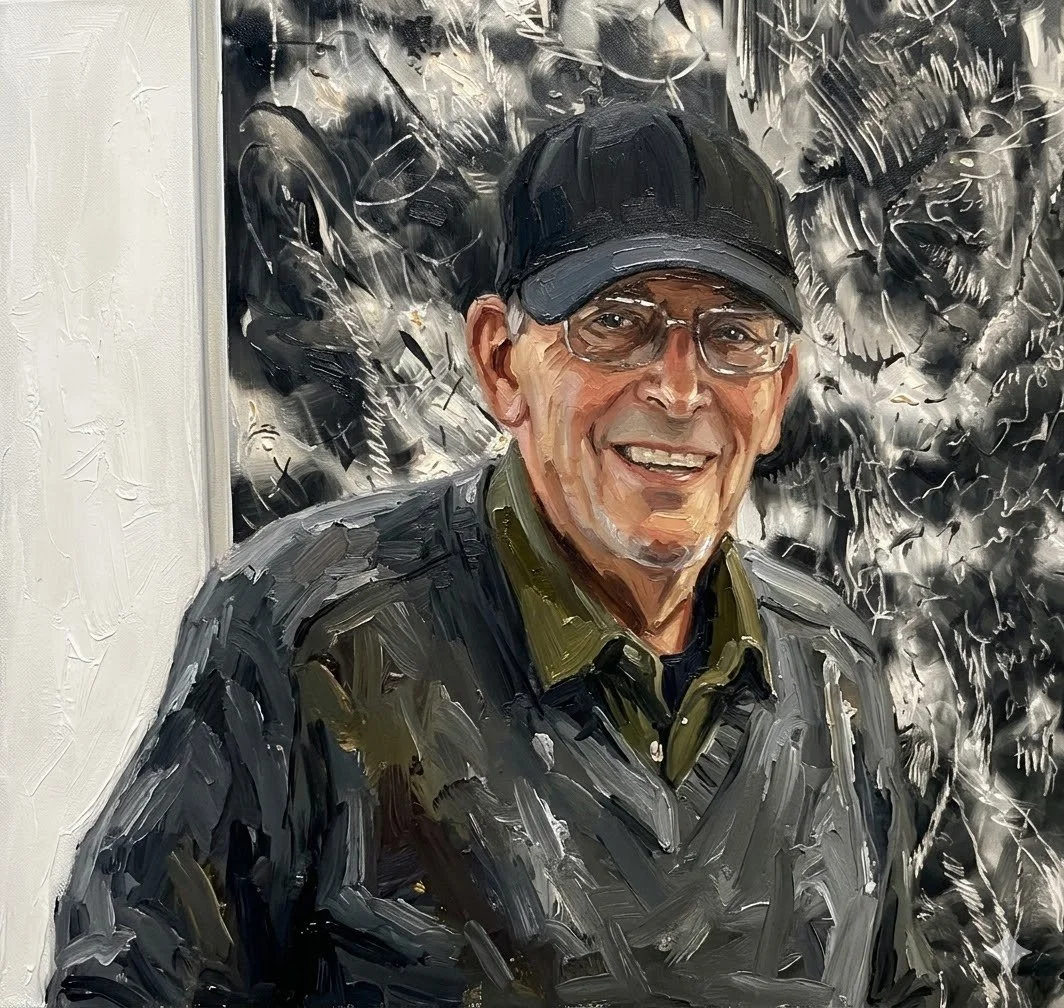
While Drapell pursued the expressive possibilities of colour on canvas, Henry Saxe was redefining sculpture through structure and spatial tension.
Born in Montreal and educated at the École des Beaux-Arts, Saxe developed his practice within the vibrant community of Quebec abstraction, alongside artists such as Guido Molinari and Claude Tousignant.
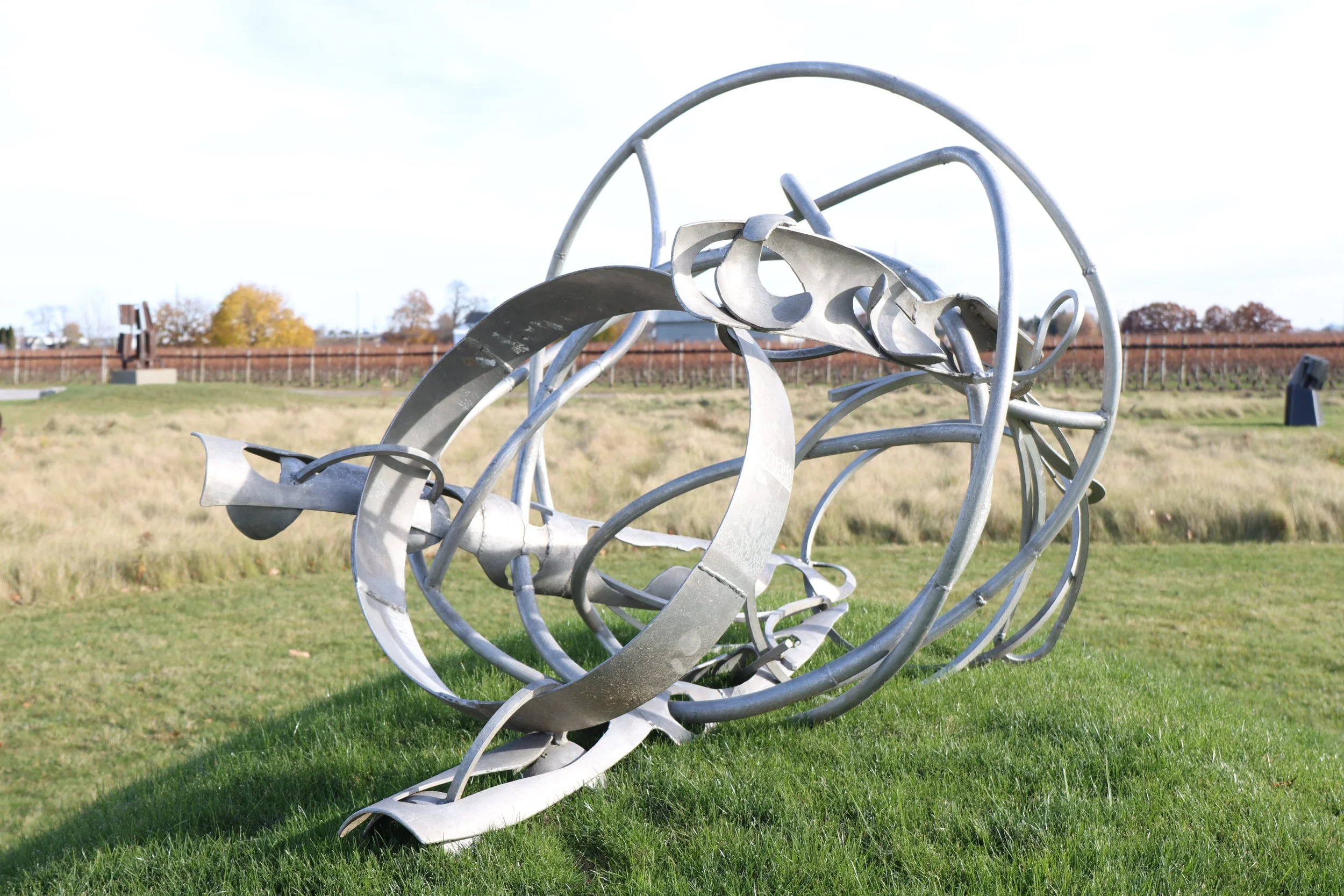
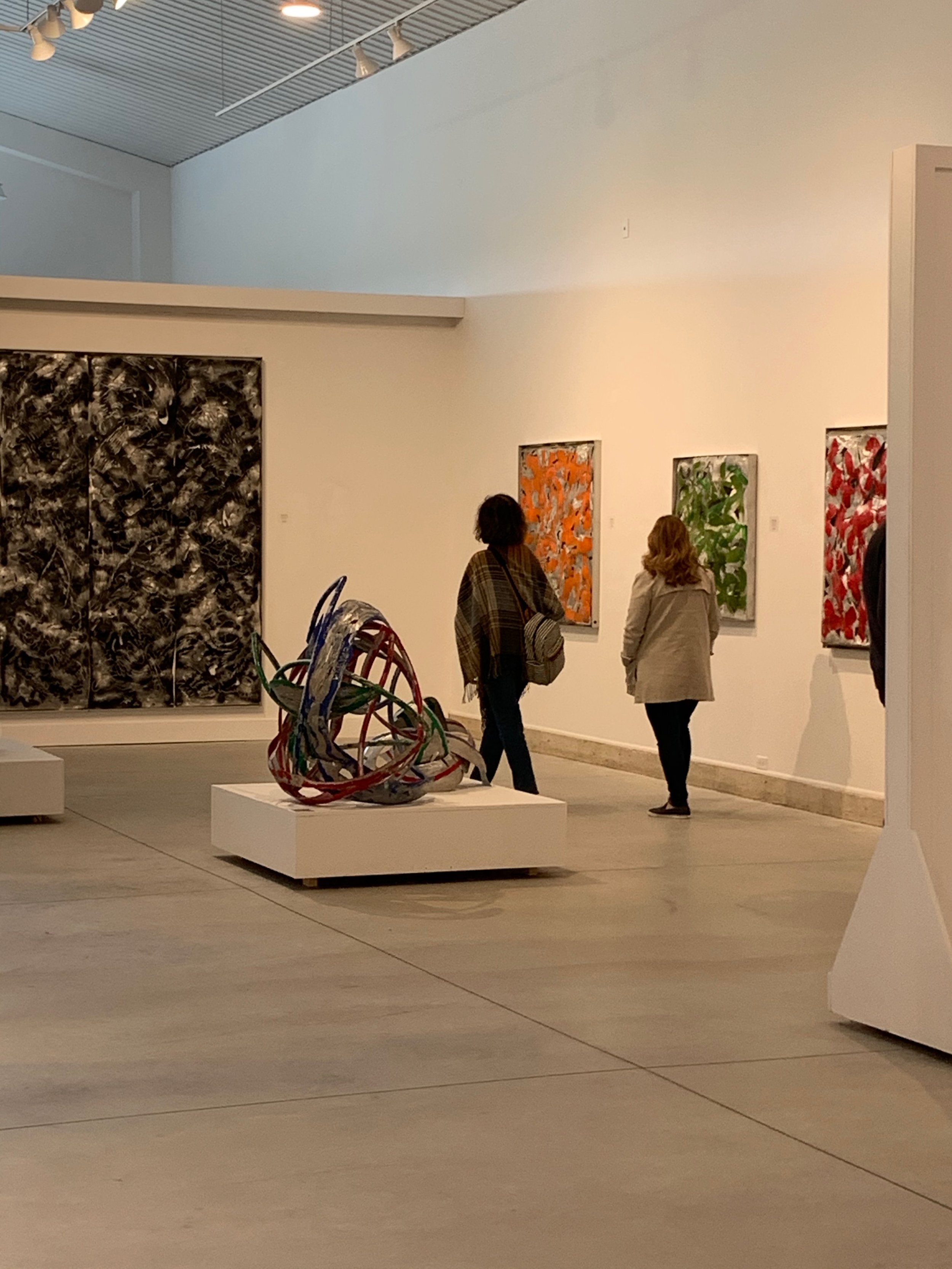
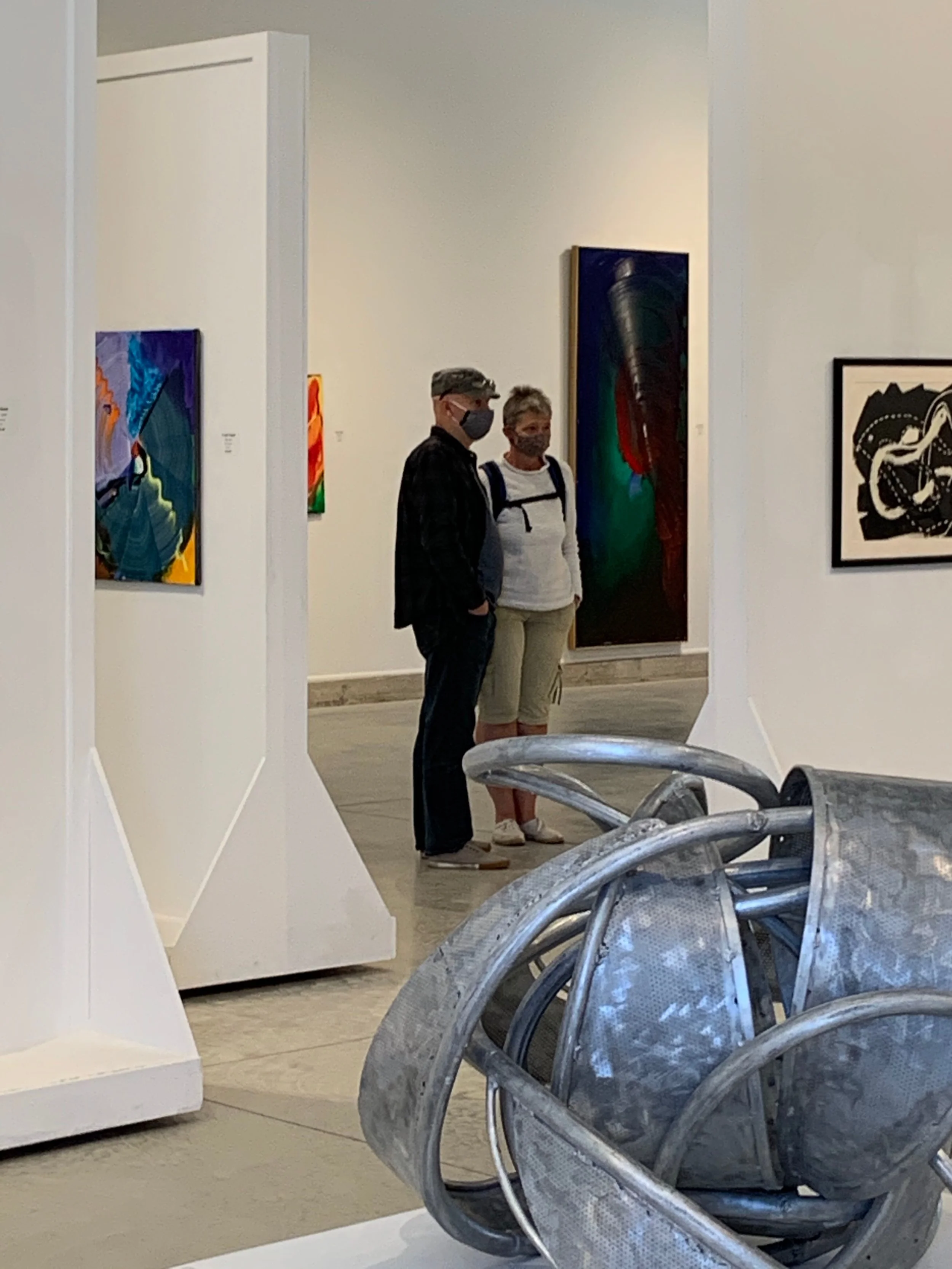
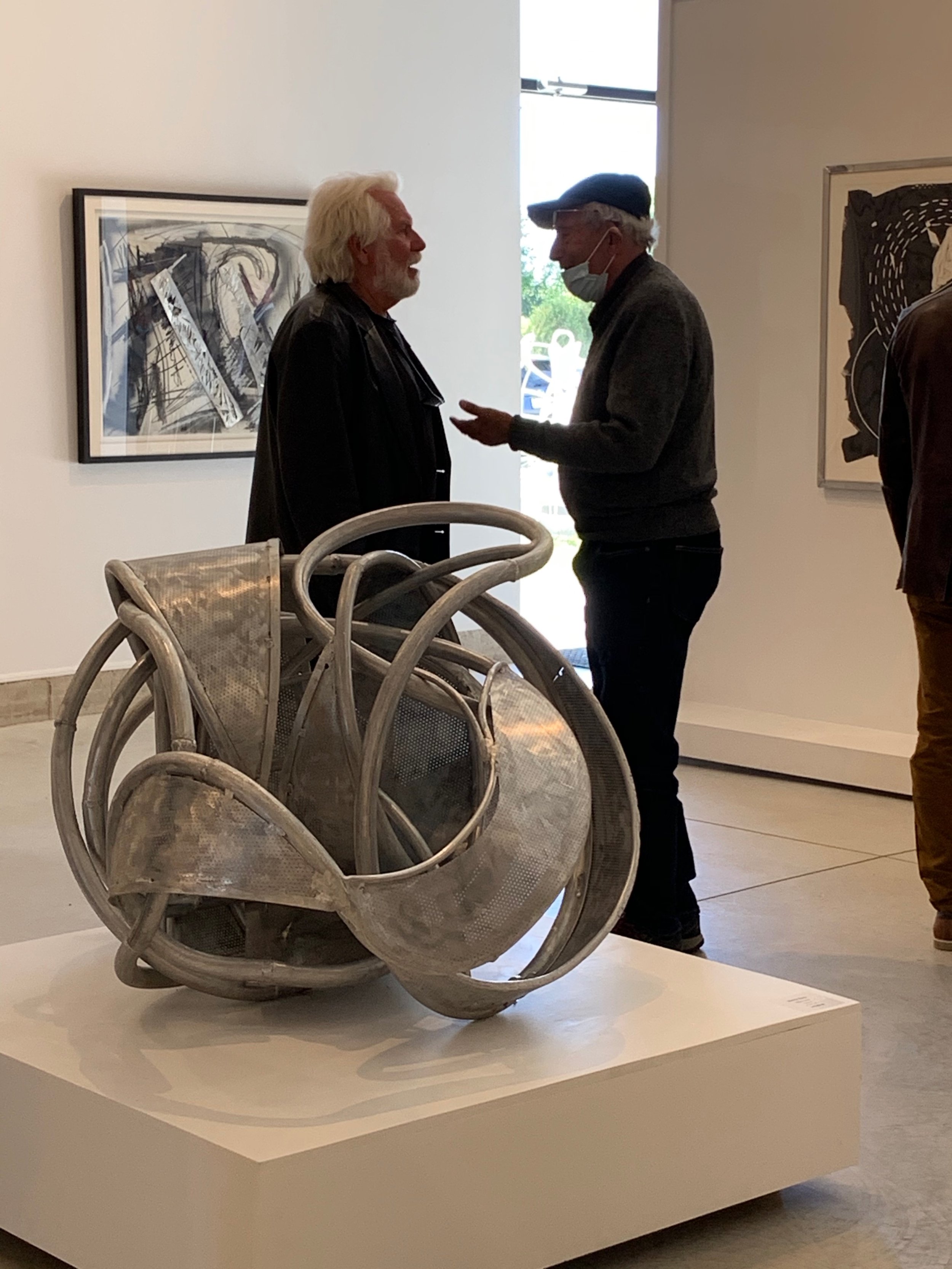
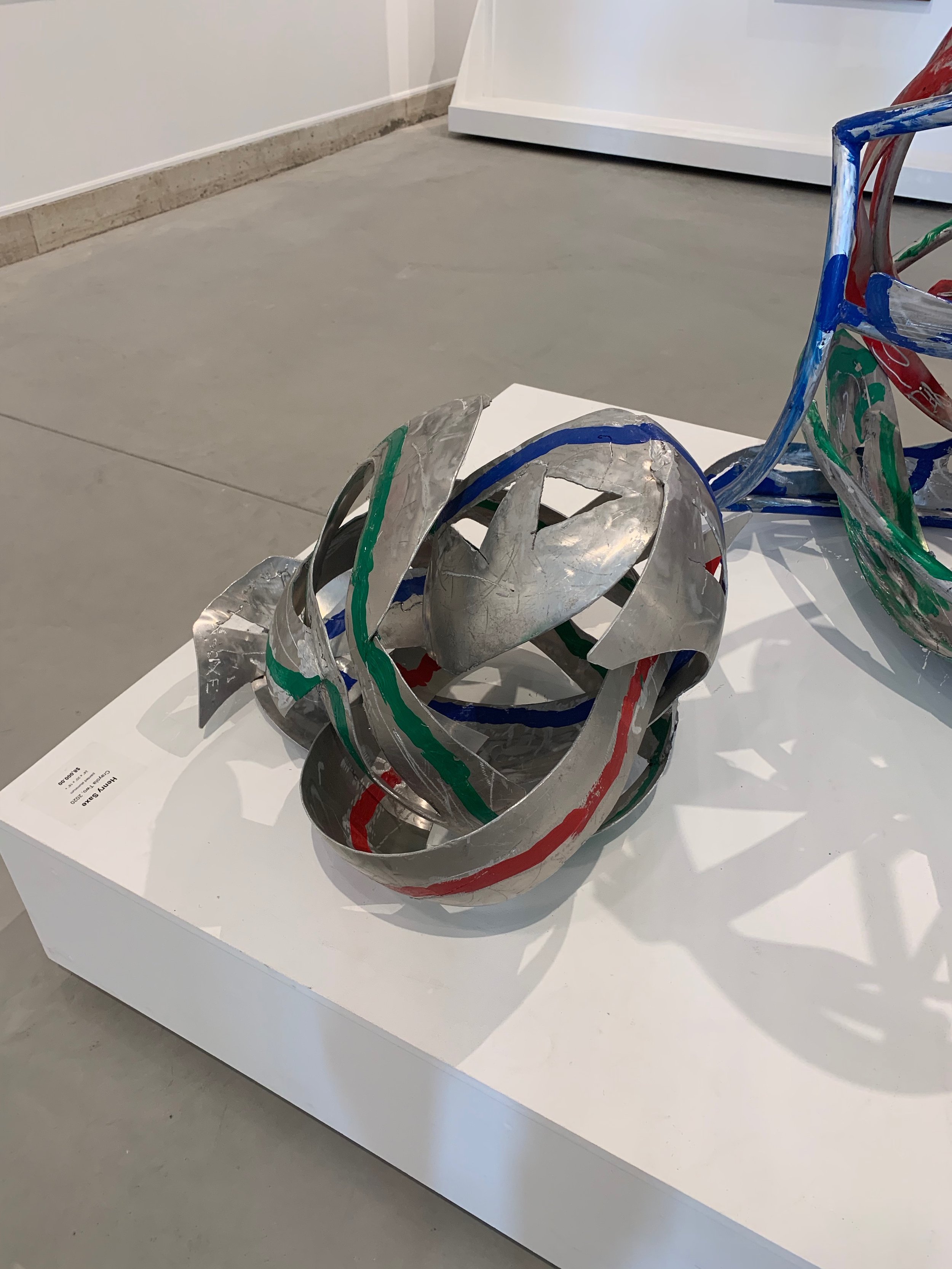
Saxe’s sculptures often employ industrial materials—steel plates, aluminum sheets, and fabricated structural elements. Yet rather than emphasizing mass or monumentality, he focuses on the dynamic relationships between balance, gravity, and space. His constructions frequently appear precarious, as if poised between collapse and equilibrium.
As viewers move around the sculpture, the relationships between planes and edges continually shift, transforming the work into an active spatial experience. In this way, Saxe treats sculpture less as a fixed object and more as an unfolding dialogue between material, form, and viewer.
Painting and Sculpture in Conversation
Seen together, Drapell’s paintings and Saxe’s sculptures reveal striking parallels despite their differences in medium. Both artists investigate the tension between structure and freedom—between deliberate control and the unpredictable forces of gravity, gesture, and material.
Drapell’s flowing chromatic arcs create visual movement across the surface of the canvas, while Saxe’s sculptural forms generate movement through space itself. Each artist engages the viewer physically: Drapell through immersive colour fields that envelop the eye, and Saxe through spatial constructions that shift as one moves around them.
In the context of the DRAPELL/SAXE exhibition, these works formed a compelling dialogue. Colour responded to structure, surface echoed volume, and painting and sculpture together revealed the continuing vitality of abstraction as a language of visual experience.
The Enduring Power of Abstraction
More than sixty years after abstraction first transformed the Canadian art landscape, the work of Joseph Drapell and Henry Saxe demonstrates its enduring relevance. Both artists belong to a generation that extended the achievements of the postwar pioneers while forging distinctly personal paths.
Today, as senior figures within Canadian art, Drapell and Saxe represent living links to the history of abstraction and to its ongoing evolution. Their work reminds us that abstraction is not merely a historical movement but a continuing exploration of colour, form, space, and perception.
The exhibition DRAPELL/SAXE offered a rare opportunity to see these two remarkable practices in conversation—two lifelong investigations into the possibilities of abstraction, and two artists whose work continues to expand the visual language of Canadian art.