
Painters Eleven and the Rise of Modern Art in Toronto
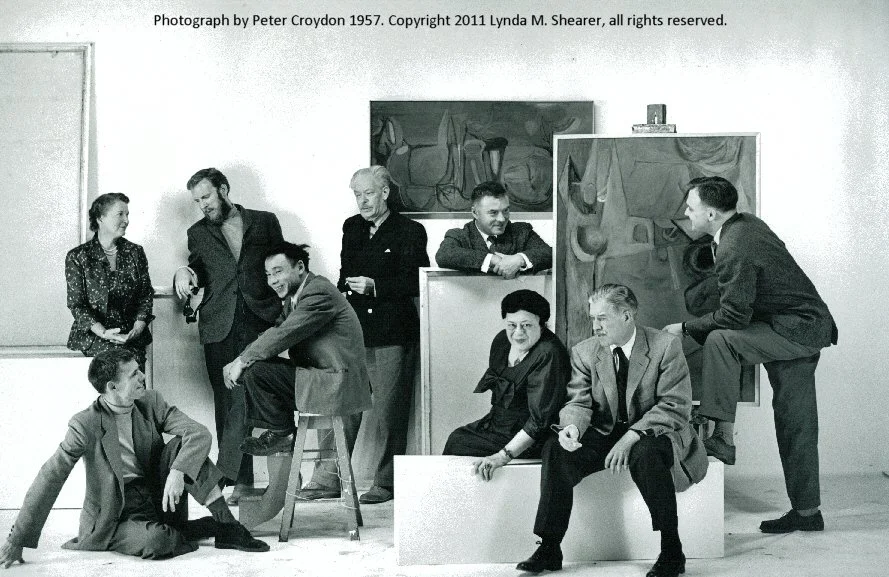
Painters Eleven at the Park Gallery, circa 1957. From left to right: Tom Hodgson, Alexandra Luke, Harold Town, Kazuo Nakamura, Jock Macdonald, Walter Yarwood, Hortense Gordon, Jack Bush, and Ray Mead. Absent are William Ronald and Oscar Cahén.
In the early 1950s, Toronto was a city in the middle of becoming something new. Long known for its conservative, Protestant, and British-rooted identity, the city was expanding outward, digging its first subway, reorganizing its political structure, and absorbing tens of thousands of newcomers from Europe. It was within this charged moment of economic growth, demographic change, and cultural tension that Painters Eleven emerged—Canada’s first collective of abstract painters—and quietly altered the course of Canadian art.
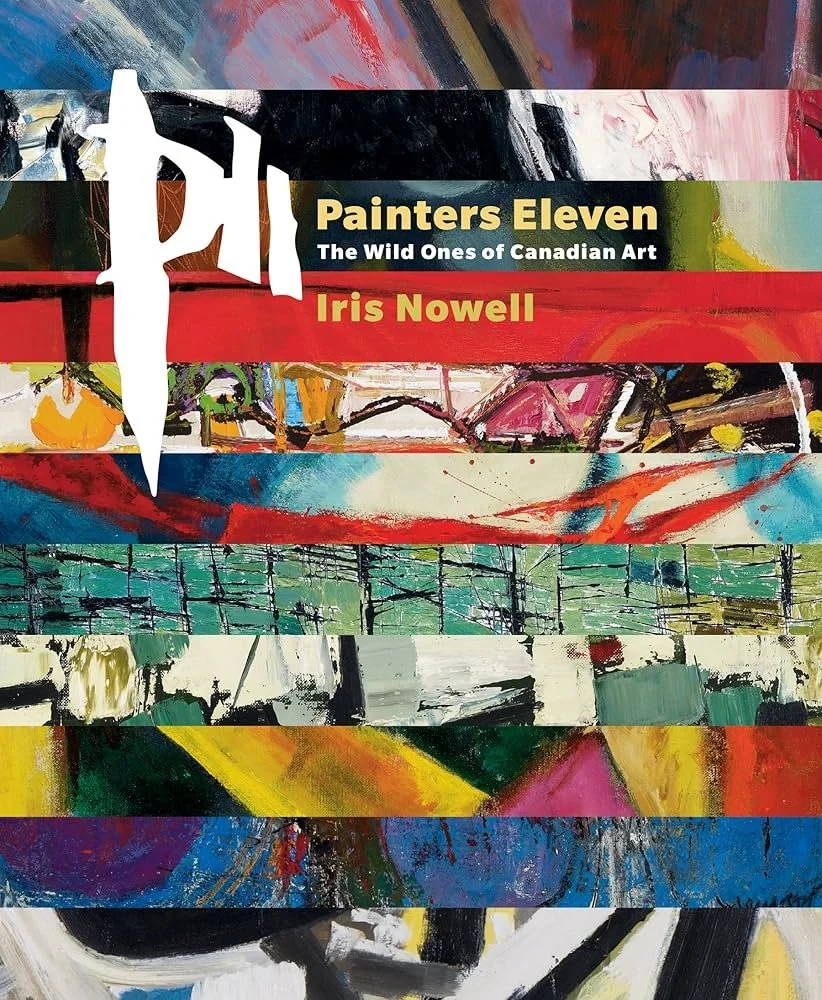
This story has been most fully and vividly told by Iris Nowell in P11: Painters Eleven – The Wild Ones of Canadian Art (2010), the first book ever devoted entirely to the group. More than an art historical account, Nowell’s book captures the social, political, and emotional climate that shaped these artists—and the city they helped redefine.
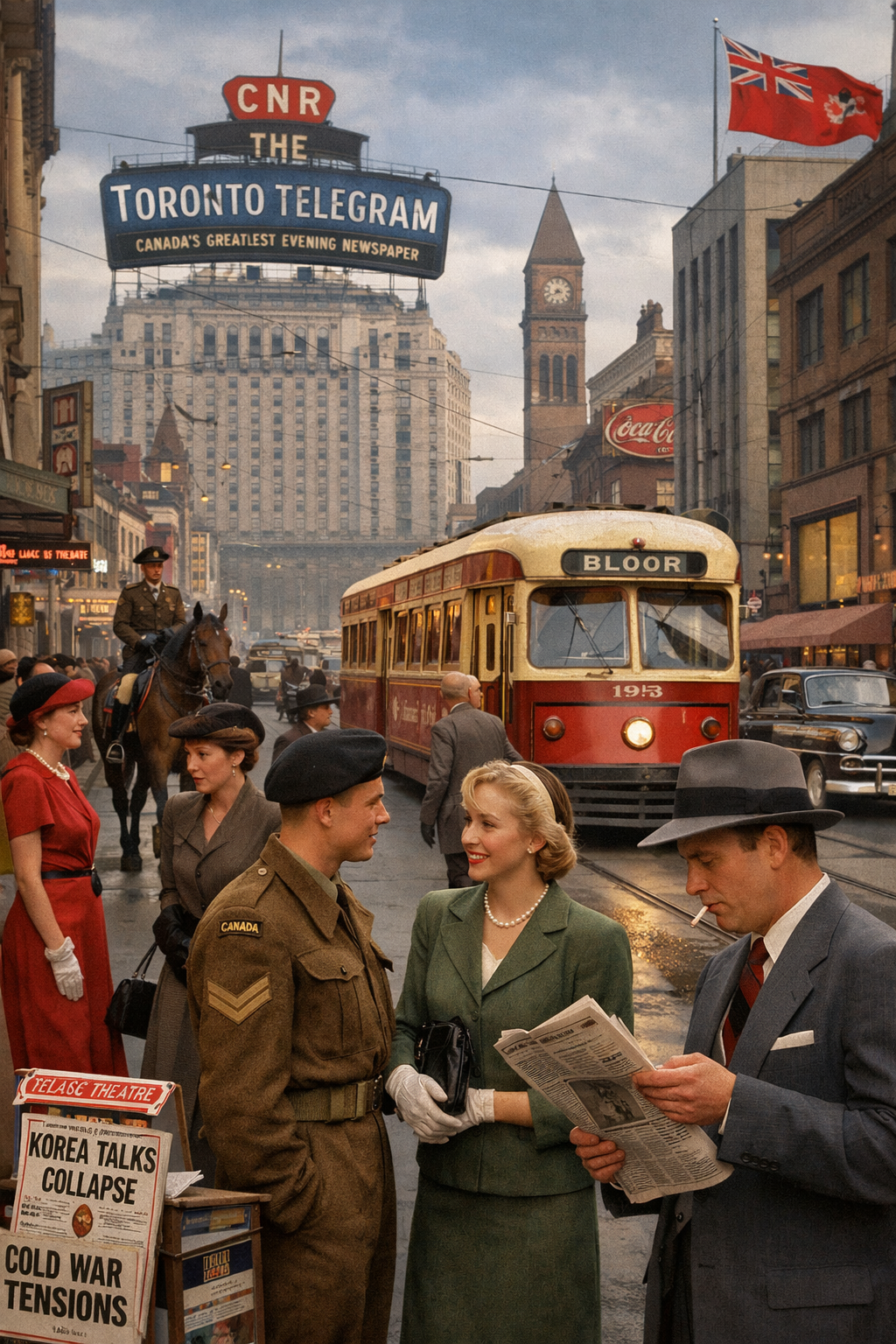
Toronto after the War: A City in Transition
Between 1949 and 1954, Toronto experienced a postwar transformation. The economy was booming, manufacturing and construction were thriving, and consumer confidence was rising. The city broke ground on Canada’s first subway, a project that symbolized Toronto’s ambitions to be seen as a modern North American metropolis rather than a colonial outpost. At the same time, suburban growth was accelerating, forcing politicians and planners to confront the limits of the old city structure and leading to the creation of Metropolitan Toronto in 1953.
Yet culturally, Toronto remained cautious. The visual arts were dominated by conservative tastes, with landscape painting—still under the long shadow of the Group of Seven—considered the most respectable form of Canadian expression. Abstract art was widely viewed with suspicion, if not outright hostility. This disconnect between a modernizing city and an inward-looking cultural establishment created fertile ground for disruption.
Immigration and the Remaking of the City
Crucial to this transformation was immigration. In the late 1940s and early 1950s, Canada admitted hundreds of thousands of immigrants, many of whom settled in major urban centres like Toronto. New arrivals from Central and Eastern Europe, the Netherlands, Italy, Germany, and Jewish communities displaced by the war began reshaping neighbourhoods, workplaces, religious life, and cultural attitudes.
These immigrants brought with them different histories of modernism, different relationships to European culture, and different expectations of what art, music, and intellectual life could be. While many were focused on survival and rebuilding their lives, their presence nonetheless expanded Toronto’s worldview. Churches, community halls, cafés, jazz clubs, and informal cultural networks multiplied, subtly loosening the city’s rigid Anglo-Protestant norms.
Toronto’s growing diversity did not immediately translate into institutional openness—discrimination remained real and pervasive—but it created cracks in the old order. The idea that culture could be plural, international, and experimental was no longer foreign. In this environment, abstraction no longer seemed entirely unthinkable.
Painters Eleven: Painting Against the Grain
Formed in 1953 and exhibiting publicly for the first time in 1954, Painters Eleven were not a unified stylistic movement so much as a strategic alliance. Their goal was simple and radical: to legitimize abstract painting in Canada.
The group included:
Jack Bush (1909–1977)
A former commercial illustrator who evolved into one of Canada’s most important abstract painters, later gaining international recognition.
image is an artistic rendering for educational purposes
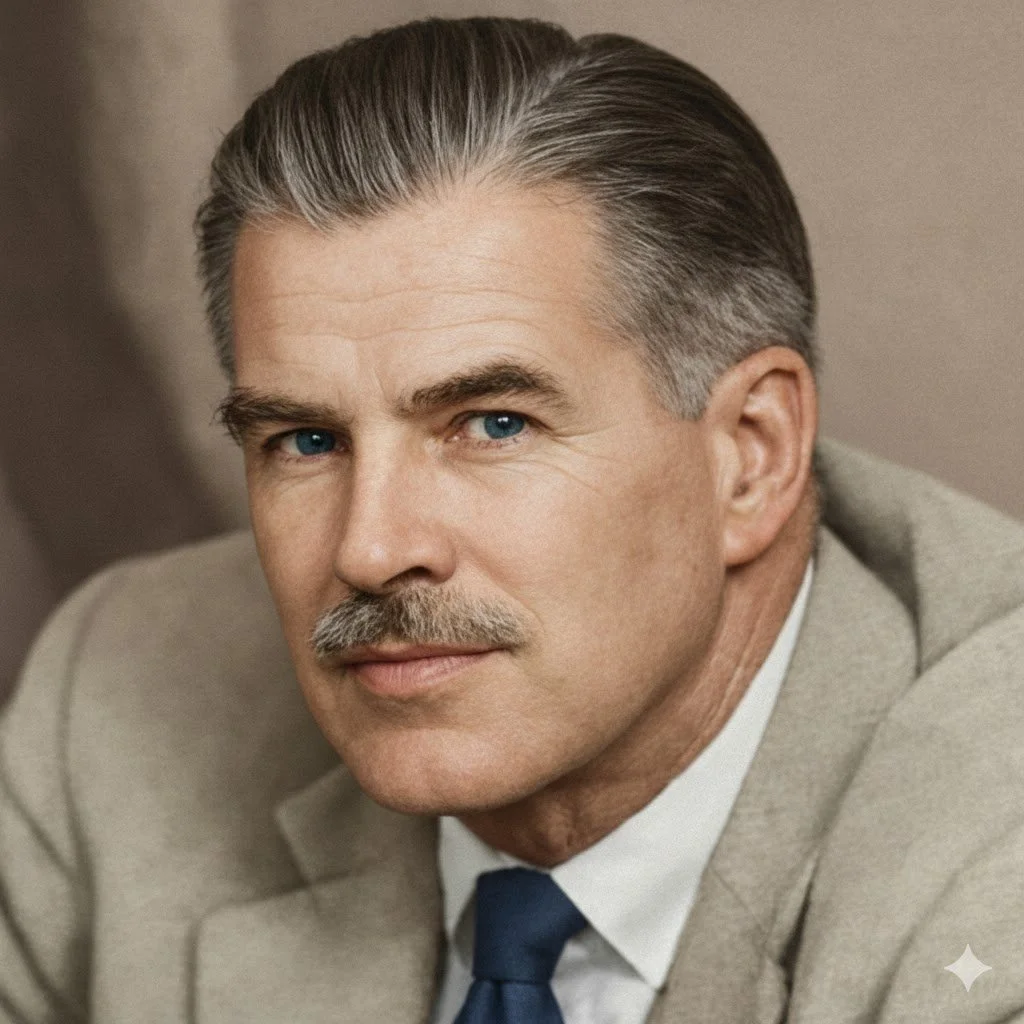
Oscar Cahén (1916–1956)
A German-born Jewish artist and Holocaust survivor whose European modernist training deeply informed his work.
image is an artistic rendering for educational purposes
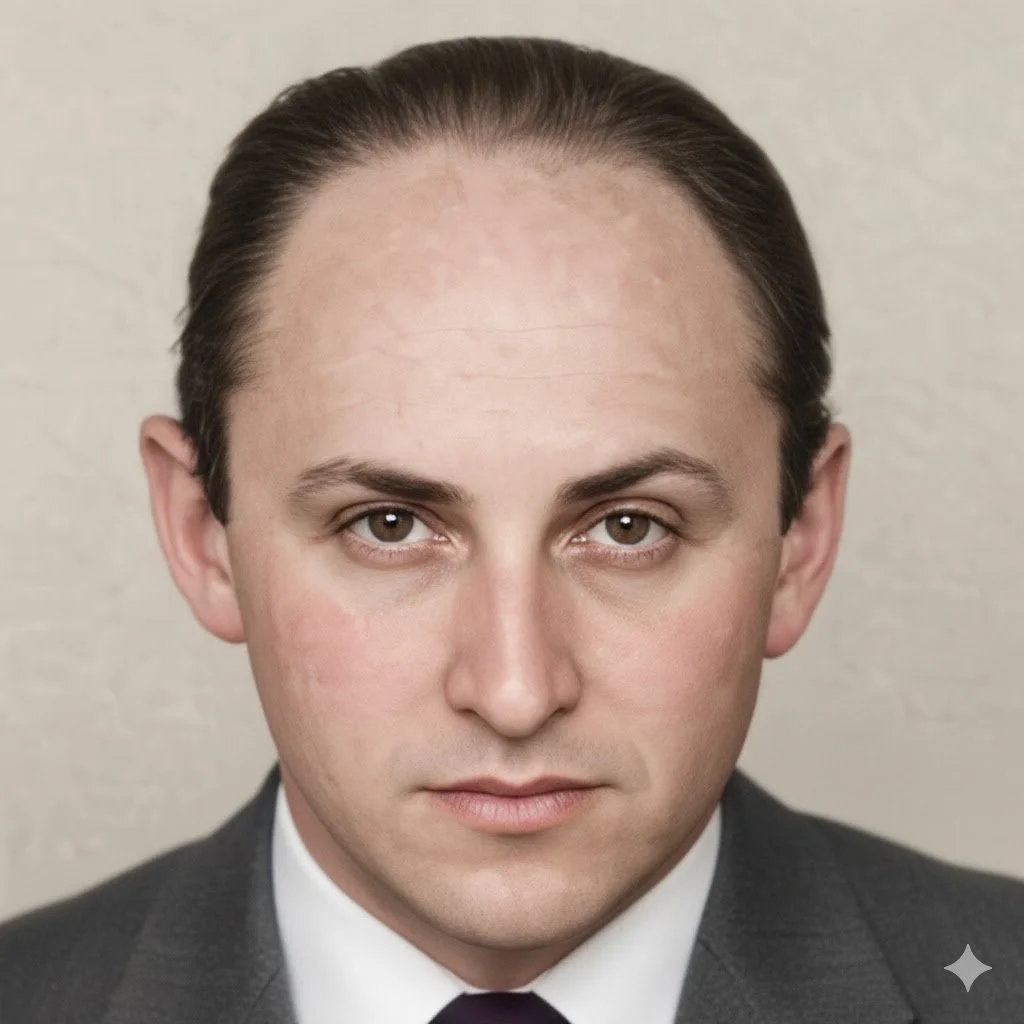
Tom Hodgson (1924–2006)
An advocate for abstraction and arts education, later influential as an editor and writer.
image is an artistic rendering for educational purposes
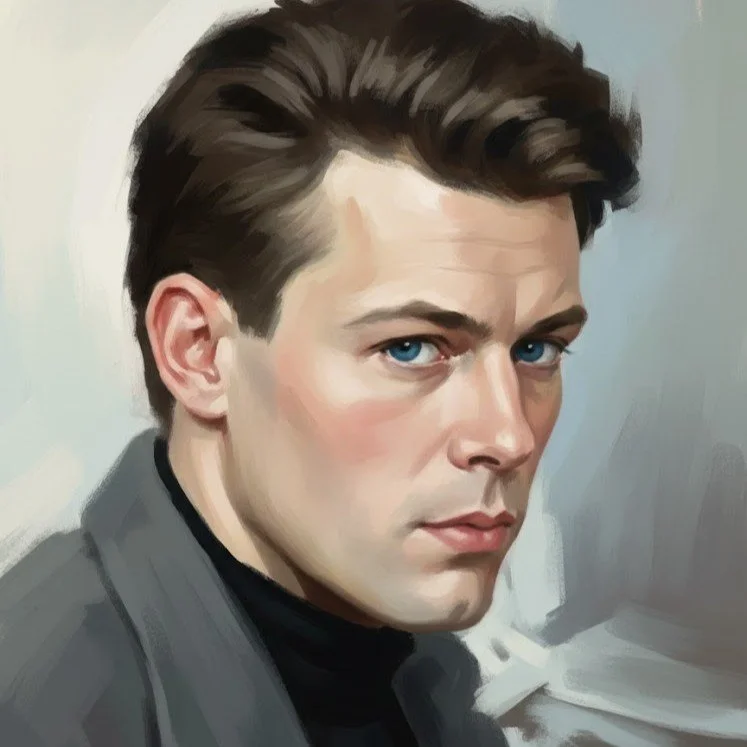
Jock Macdonald (1897–1960)
A Scottish-born painter and teacher whose ideas shaped a younger generation of artists.
*image: photographed by Peter Croydon 1957, copyright 2011 Lynda Shearer, all rights reserved
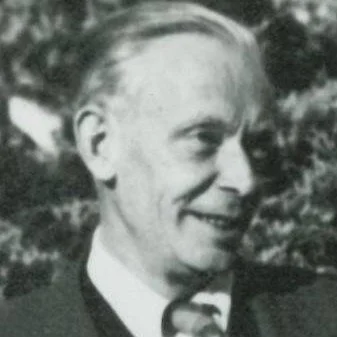
William Ronald (1926–1998)
A bold, outspoken painter who later worked internationally and challenged Canadian parochialism.
image is an artistic rendering for educational purposes
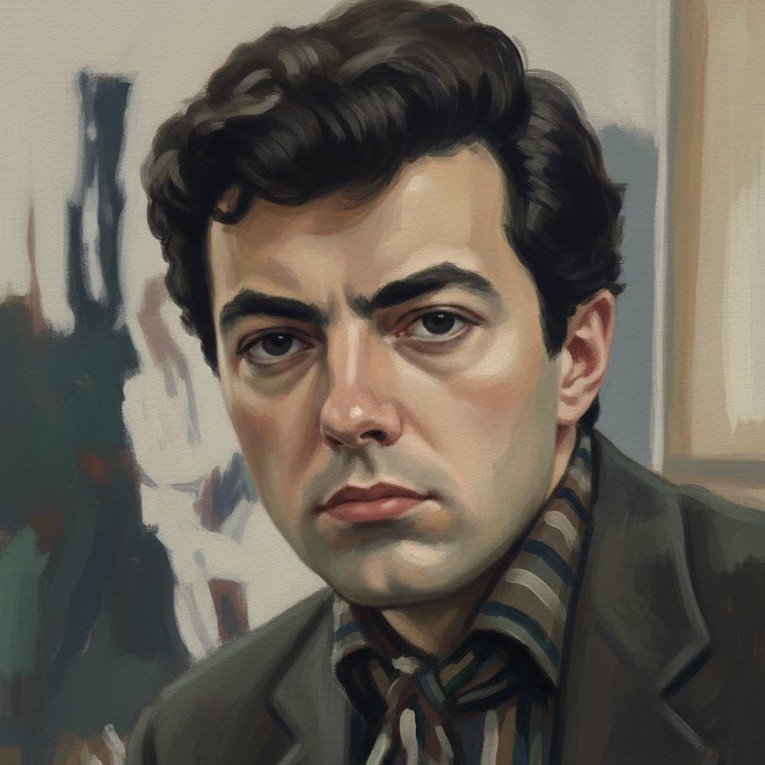
Harold Town (1924–1990)
A prolific and charismatic figure whose career would later be documented in depth by Iris Nowell.
*image: photographed by Peter Croydon 1957, copyright 2011 Lynda Shearer, all rights reserved
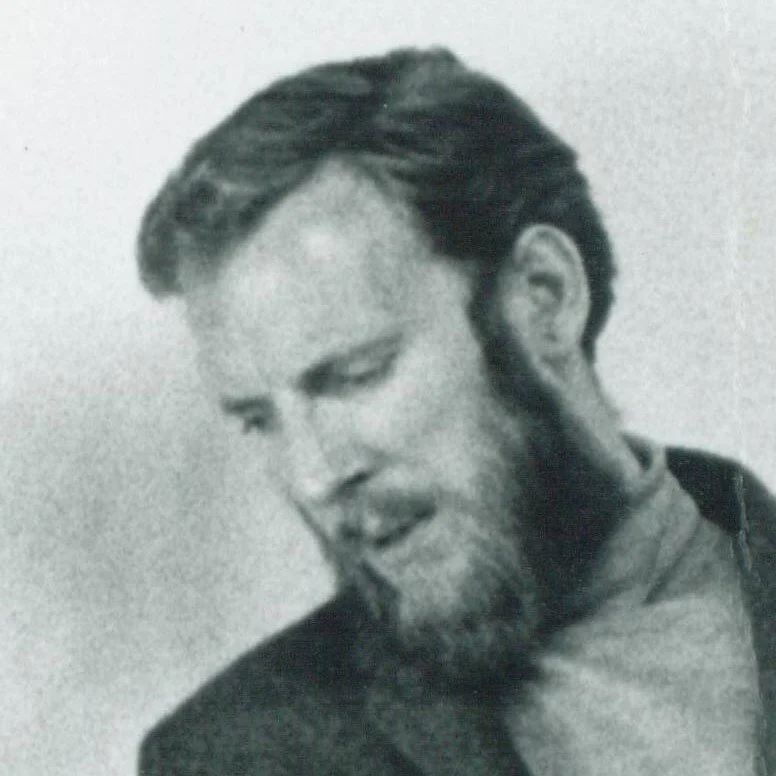
Hortense Gordon (1886–1961)
One of the group’s senior members and an early Canadian advocate of abstraction.
*image: photographed by Peter Croydon 1957, copyright 2011 Lynda Shearer, all rights reserved
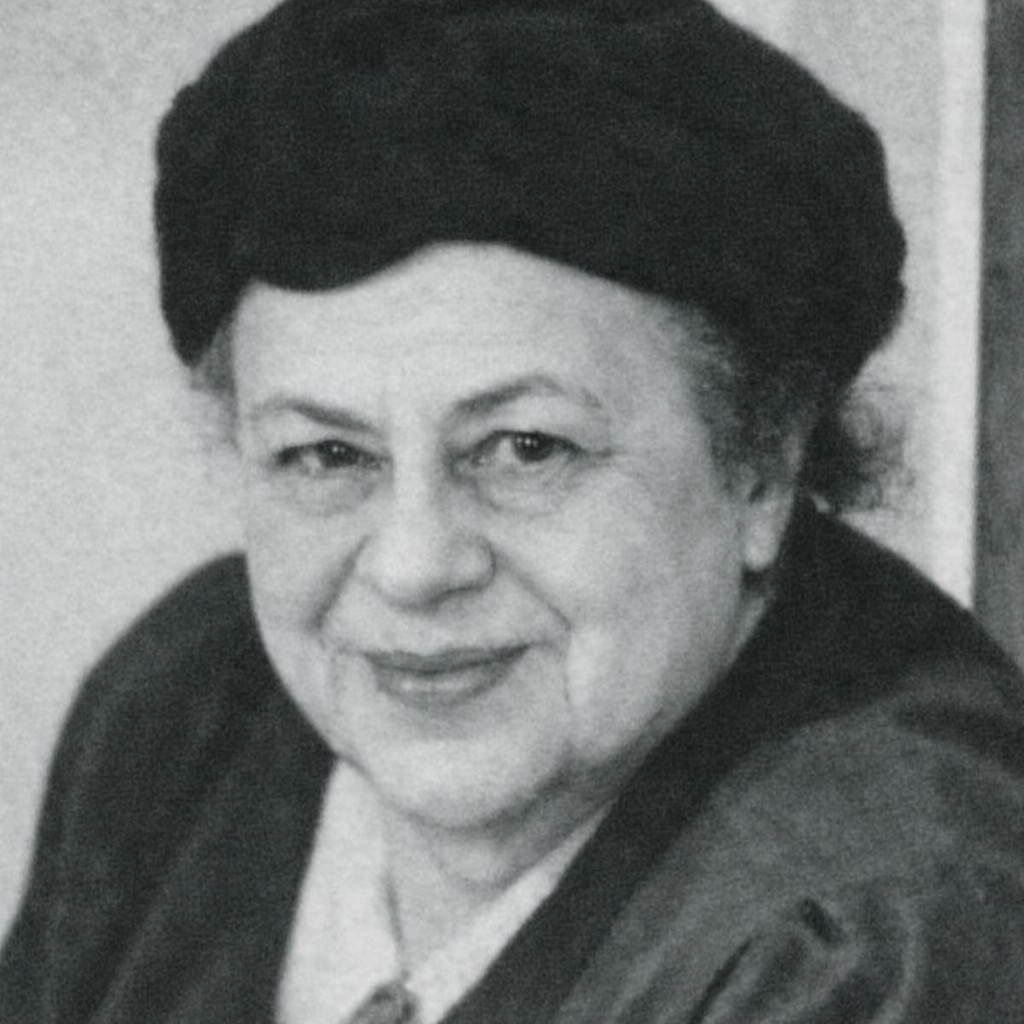
Alexandra Luke (1901–1967)
A committed modernist who also played a key organizational role in supporting abstract art.
*image: photographed by Peter Croydon 1957, copyright 2011 Lynda Shearer, all rights reserved
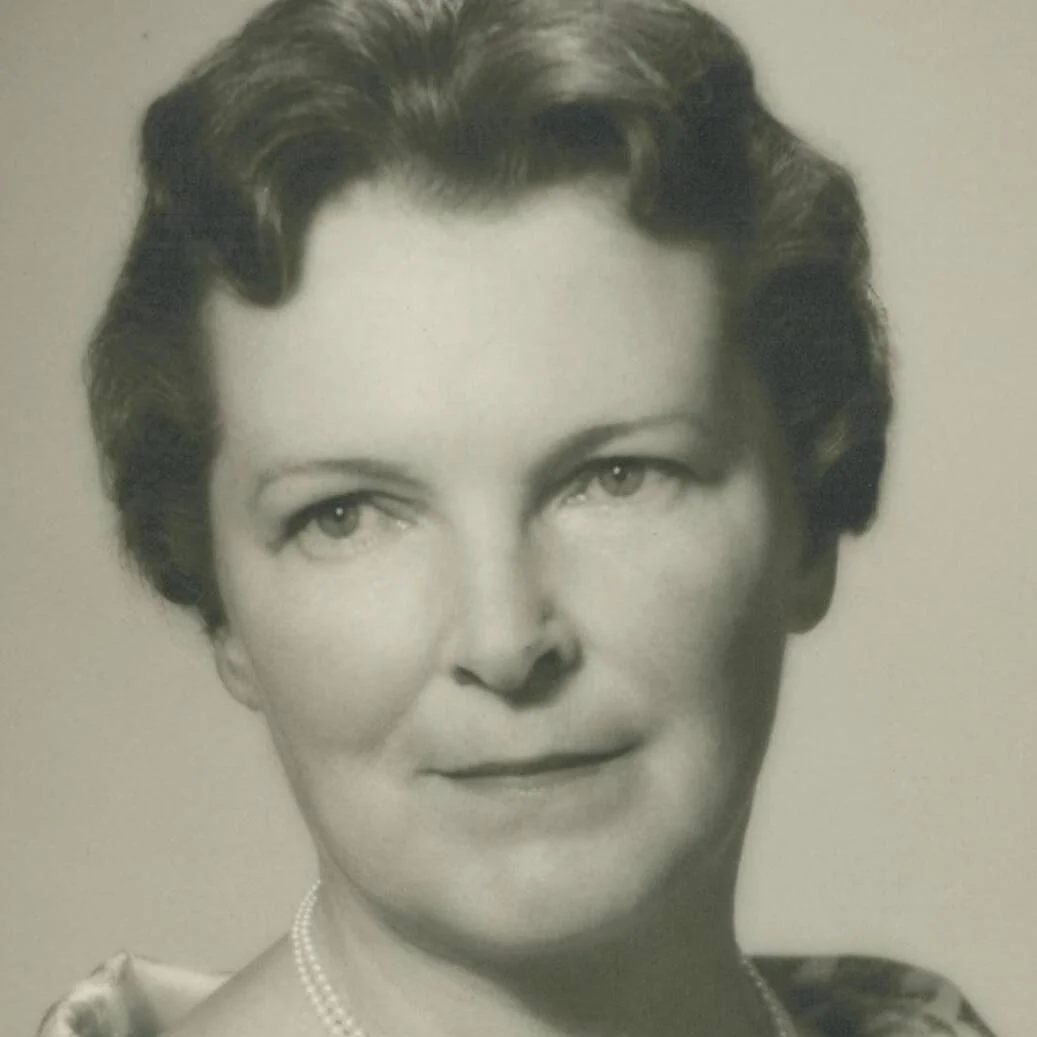
Ray Mead (1921–1998)
British-born and Bauhaus-influenced, bringing European modernist ideas to Toronto.
image is an artistic rendering for educational purposes
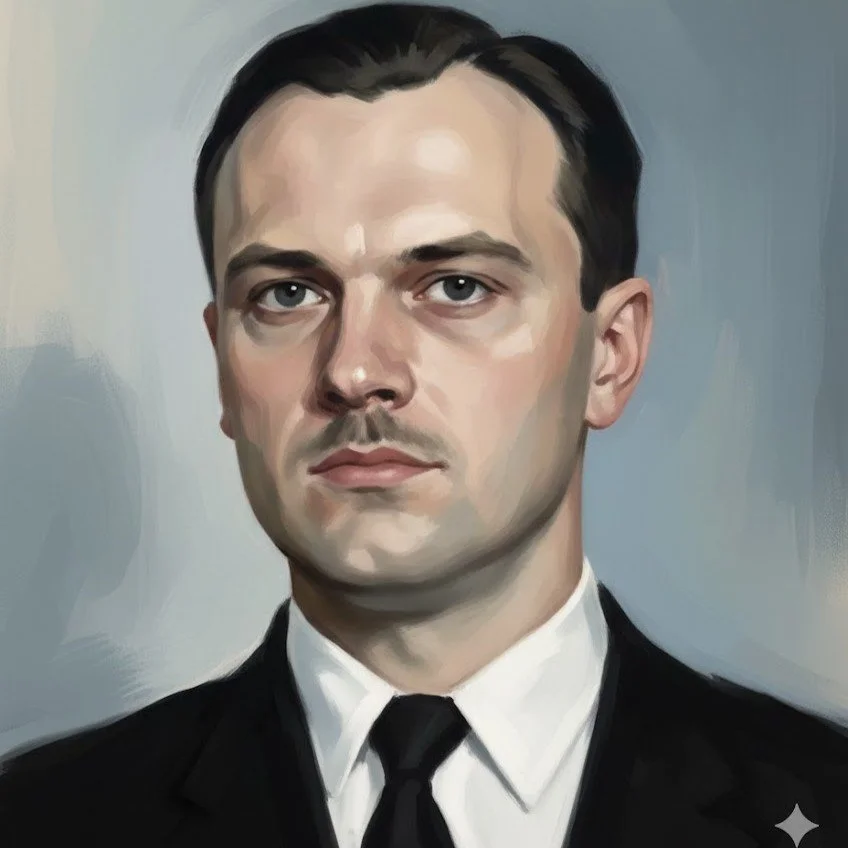
Kazuo Nakamura (1926–2002)
A Japanese Canadian painter whose work combined abstraction, structure, and philosophy.
*image is an artistic rendering for educational purposes
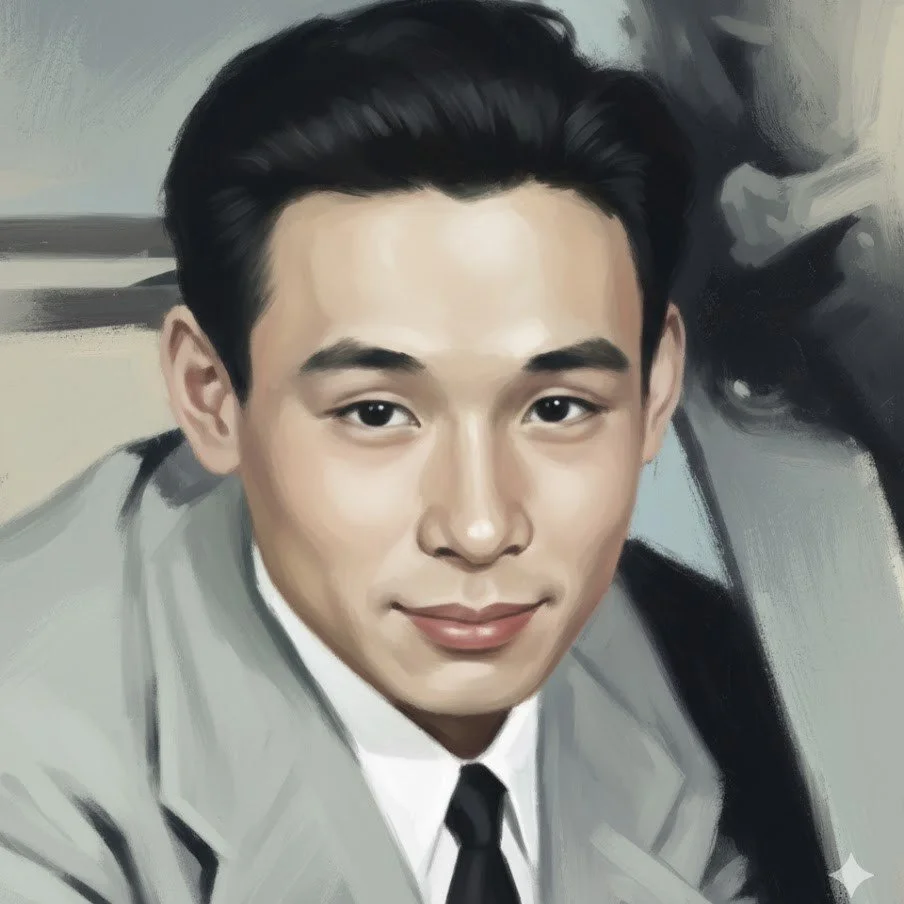
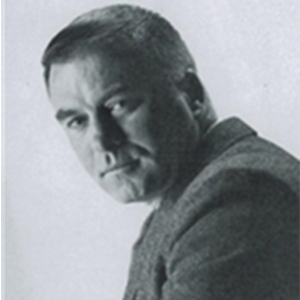
Walter Yarwood (1917–1996)
An artist deeply engaged with modernist experimentation.
*image: photographed by Peter Croydon 1957, copyright 2011 Lynda Shearer, all rights reserved
Each artist came to abstraction differently—through European modernism, American Abstract Expressionism, spiritual inquiry, or formal experimentation. What united them was their shared resistance to Toronto’s conservative art establishment and their belief that Canadian art had to engage with international modernism to remain alive.
Immigration and Influence: Numbers vs. Impact
Of the eleven members of Painters Eleven, three were immigrants—Oscar Cahén, Jock Macdonald, and Ray Mead. Numerically, the group was not dominated by newcomers. Culturally and intellectually, however, immigration played an outsized role. Cahén, a Jewish refugee from Nazi Europe, brought first-hand experience of continental modernism and the trauma of displacement. Macdonald and Mead carried European training and sensibilities shaped by Britain’s modernist traditions. Their presence helped legitimize abstraction in a city still deeply tied to British academic norms. Just as importantly, the remaining members were working within a Toronto increasingly shaped by postwar immigration—exposed to international ideas, altered neighbourhoods, and a broader sense of what culture could be. Painters Eleven were not an immigrant movement, but they were unmistakably a product of an immigrant-shaped city.
Why Iris Nowell Matters
The full depth of this story might have been lost without Iris Nowell. Arriving in Toronto with little money and no formal academic position, Nowell entered the city’s art world from the inside. Through her long relationship with Harold Town and her immersion in the cultural milieu of artists, dealers, collectors, and critics, she developed an unmatched understanding of the personalities and pressures that shaped Painters Eleven.
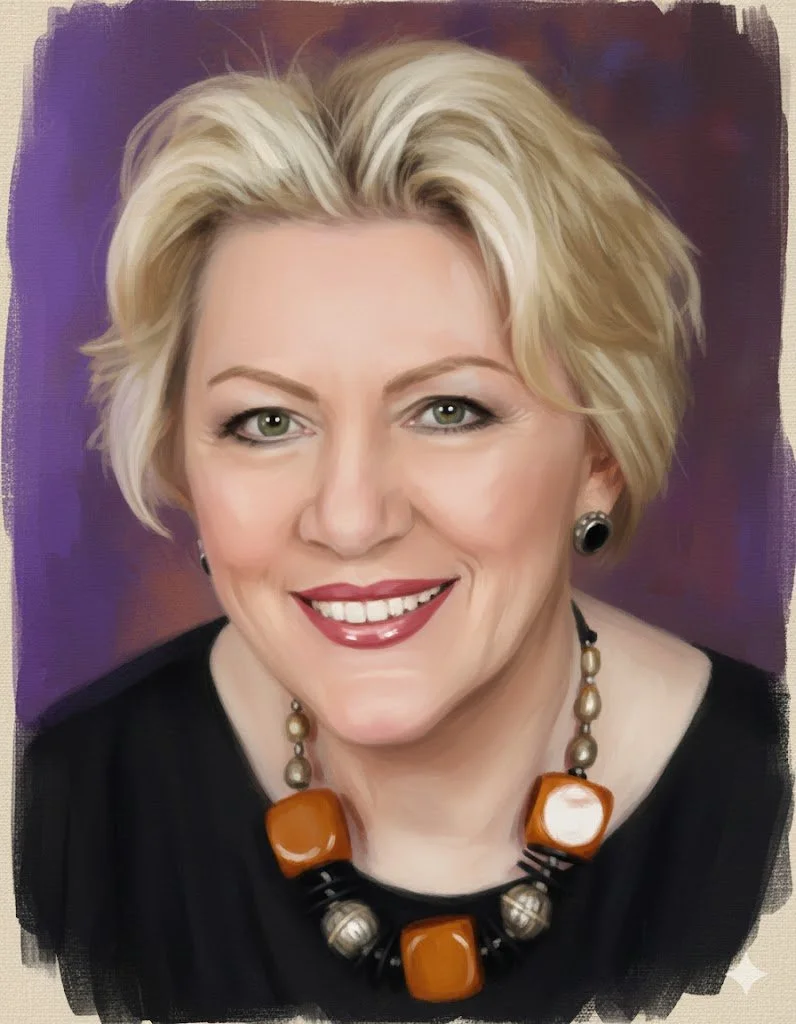
Her book P11: Painters Eleven – The Wild Ones of Canadian Art was the first to treat the group not as a footnote, but as a central chapter in Canadian art history. Richly illustrated and written in vivid, accessible prose, it reads less like an academic study and more like a living gallery—full of conflict, ambition, risk, and conviction.
Nowell understood that abstraction was not just an aesthetic choice, but a cultural stance. As she wrote:
“Crucially for me, I learned that appreciating Abstract Expressionist art begins with surrender, by allowing a painting to possess you. Once this occurs, you stop looking for symbols or messages or meanings and experience instead rhythm, energy, power, grace.”
Her writing helped reignite institutional and collector interest in Painters Eleven in the 2010s, reshaping how the group is valued and understood today.
A Canadian Story for Our Moment
At a time when immigration is again a flashpoint in political discourse—particularly in the United States—Painters Eleven offer a powerful Canadian counter-narrative. Toronto did not become culturally rich in spite of immigration, but because of it. The city’s openness to new people, ideas, and experiences made room for artistic risk and transformation.
Painters Eleven did not represent immigrants alone, nor did they speak directly for immigrant communities. But they emerged from—and responded to—a city being remade by global forces. Their abstraction mirrored a Toronto that was shedding old certainties and learning to see itself as part of a larger world.
To truly understand these artists—their differences, their struggles, and their achievements—Iris Nowell’s book remains essential reading. It is not only the definitive account of Painters Eleven, but also a portrait of a city learning, sometimes reluctantly, how to become modern.
Other interesting read:
Art Canada Institute Oscar Cahén Life & Work by Jaleen Grove
Art Canada Institute Jock Macdonald: Life & Work by Joyce Zemans
*About Peter Croydon (1924–2019)
Peter Croydon was a distinguished British-born Canadian portrait photographer based in Toronto, renowned for his formal studio portraits of prominent figures in literature, arts, music, and culture during the mid-20th century.Immigrating from England, Croydon mastered large-format sheet film and medium format techniques, capturing elegant, precisely lit images for publishers like Macfarlane Walter & Ross. His work earned the ADM Trophy for Best Canadian Editorial Illustration (1961) and is preserved in institutions such as the McCord Stewart Museum and Library and Archives Canada. Croydon passed away peacefully in Limoges, France, at age 95, leaving a legacy as one of Toronto's elite commercial photographers.
