
JOSEPH DRAPELL
(b. 1940, Humpolec, Czechoslovakia)
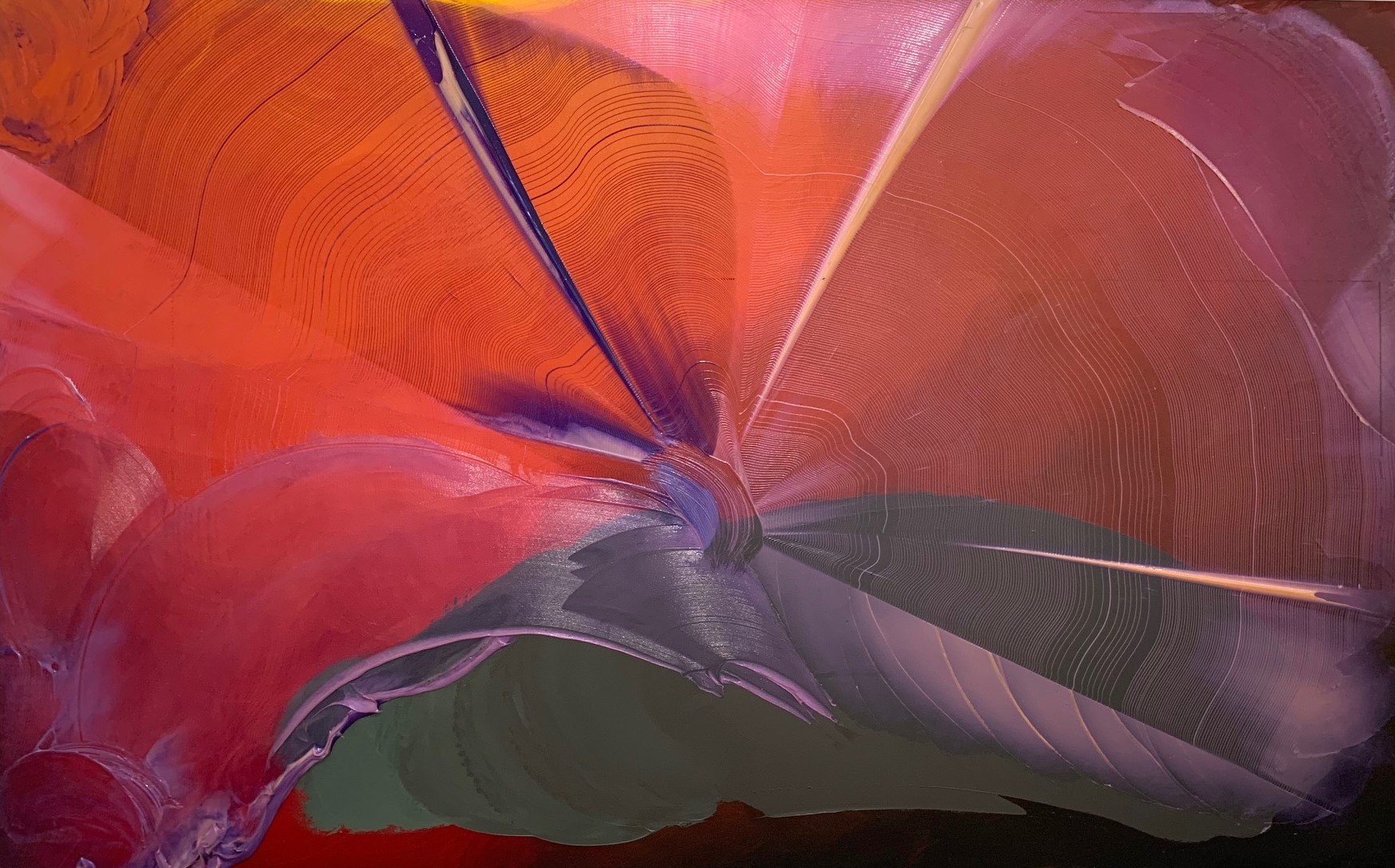
Joseph Drapell. Above Loss, Beyond Desire, 1992 acrylic on canvas stretched on plywood 72" x 113.5" POR

Joseph Drapell. French Revolution, 1984 acrylic on canvas 95" x 95" POR
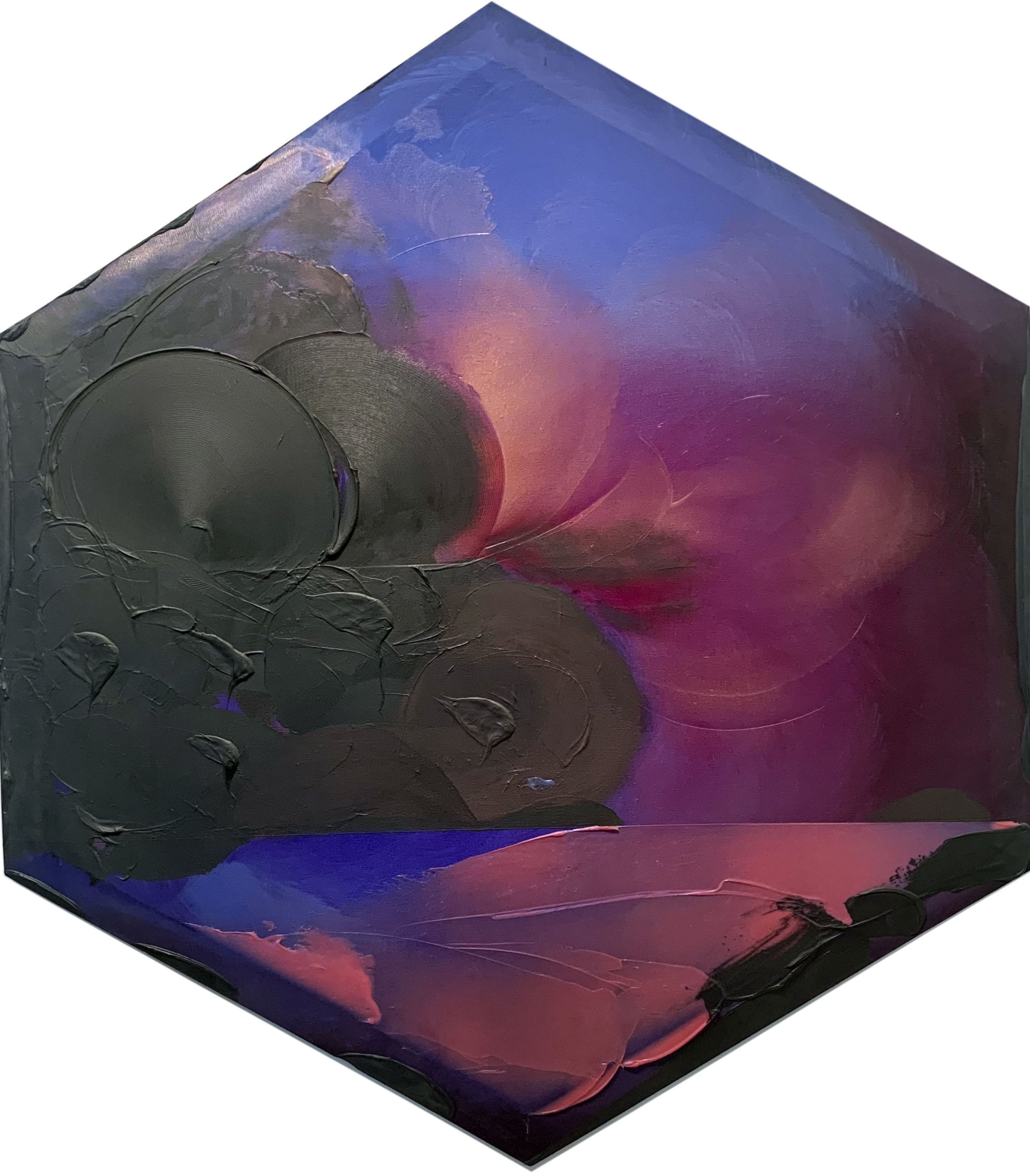
Joseph Drapell. Storm Approaching, 1992 acrylic on canvas 59" x 52" POR
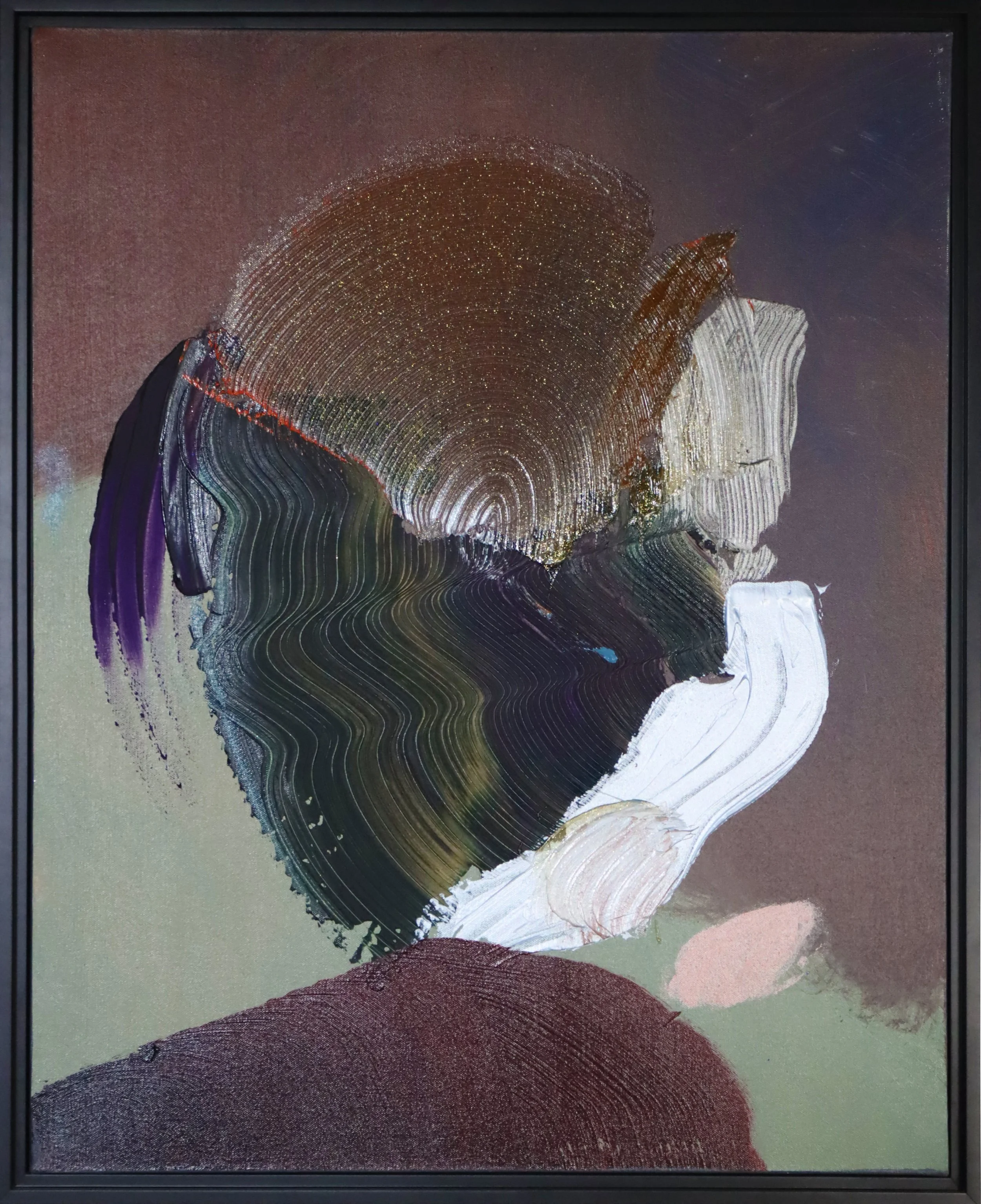
Joseph Drapell. Suite D, 2019 acrylic on canvas 30" x 24" $6,500
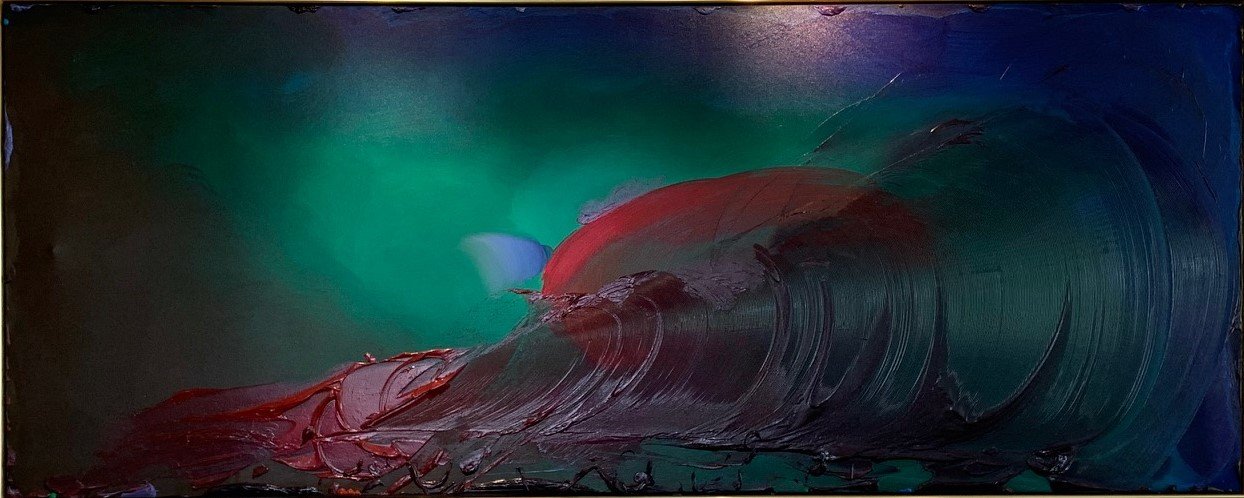
Joseph Drapell. Far Greater Than Presence, 1990 acrylic on canvas 38" x 93" POR
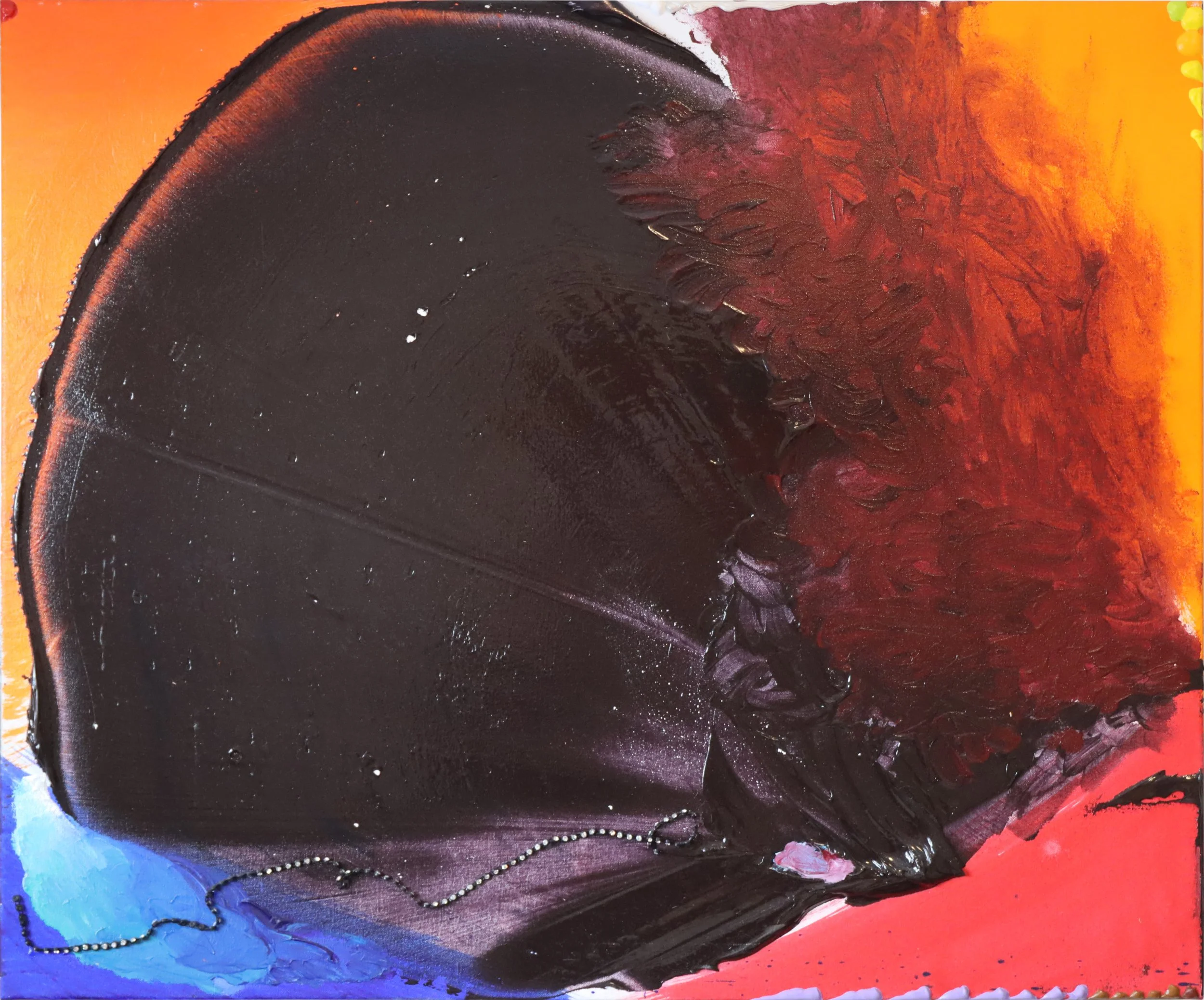
Joseph Drapell. Paradise of Desire, 2019 acrylic, rhinestones on canvas 30" x 36" $7,500
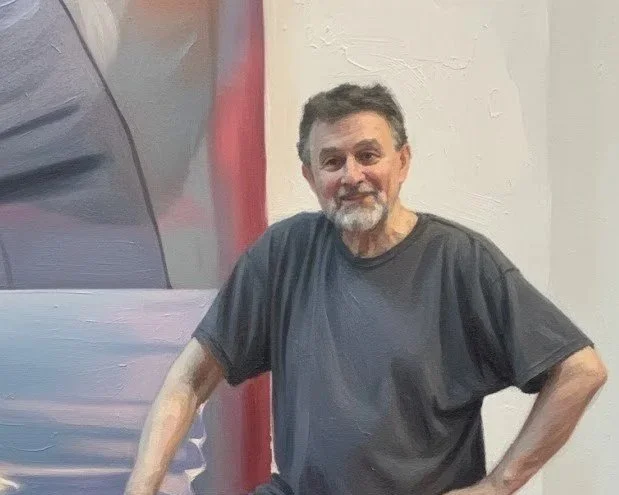
For collectors seeking a significant position in the evolution of Canadian abstraction, the work of Joseph Drapell represents both historical importance and enduring visual power. As one of the leading painters in the generation following Painters Eleven and a founding member of the New New Painters, Drapell bridges postwar modernism with later materially ambitious abstraction. His paintings are immediately recognizable for their monumental scale, luminous surfaces, and innovative broad-spreading acrylic technique—qualities that distinguish his work within both private and institutional collections. To own a Drapell is to hold a pivotal chapter in the continuation of colour field and post-painterly painting in Canada.
Born in 1940 in Humpolec, Czechoslovakia (now the Czech Republic), Drapell’s early life under Nazi and later Soviet occupation shaped his uncompromising commitment to artistic freedom. He immigrated to Canada in 1966, eventually settling in Toronto, where he built a career defined by independence from aesthetic trends. Between 1968 and 1970 he studied at the Cranbrook Academy of Art, encountering Jack Bush and Clement Greenberg, whose advocacy of formal rigor and colour field abstraction reinforced his direction. Influenced also by Morris Louis, Drapell developed—between 1972 and 1974—his defining broad-spreading device, enabling sweeping, architectonic veils of acrylic across large canvases.
His breakthrough “Great Spirit” paintings of the 1970s established his reputation for translating the vast horizons and atmospheric light of Georgian Bay—his “spiritual home”—into immersive abstraction. Unlike gestural approaches associated with Jackson Pollock, Drapell’s work emphasizes gravity, horizon, and structured flow. International recognition followed with museum acquisitions and inclusion in major collections such as the Solomon R. Guggenheim Museum, the Art Gallery of Ontario, the Albright-Knox Art Gallery, and the National Gallery Prague. He is also a member of the Royal Canadian Academy of Arts.
Drapell’s significance lies not only in institutional validation but in the coherence and conviction of his vision. Across five decades he has defended painting’s sensory and spiritual authority at a time when conceptual and postmodern strategies often dominated discourse. His large-scale works—particularly those rooted in the light and memory of Georgian Bay—offer both visual impact and historical depth. Drapell’s legacy is that of an artist who sustained abstraction’s relevance through innovation, independence, and a steadfast belief in the enduring power of paint.
Collector’s Perspective:
This selection of works by Joseph Drapell comes from the Mann Collection, assembled by John Mann in direct support of the artist’s practice and exhibitions. Drapell’s work has seen growing interest among collectors and within the broader Canadian art market, particularly as renewed attention has focused on abstraction following Painters Eleven and the continued relevance of Colour Field painting in Canada. Larger canvases and works with strong exhibition provenance have attracted particular demand, reflecting increased appreciation for Drapell’s technical innovation and historical importance.
Georgian Bay remains central to understanding his work. Having owned a cottage there in the 1970s, Drapell drew lasting inspiration from its vast horizons, reflective waters, and shifting light—associations tied to a profoundly meaningful and joyful period in his life. Paintings connected to this body of work embody both emotional resonance and formal ambition. As Drapell’s oeuvre continues to be reassessed, works from important collections such as the Mann Collection represent compelling opportunities for collectors seeking museum-recognized Canadian abstraction with distinguished provenance.
For images and acquisition details, please contact us.
Maclean Hunter presents Joseph Drapell hosted by Ron Moore - artist interview 1985
In this rare interview, Ron Moore, owner of the Moore Gallery in Hess Village, sits down with Czech-Canadian abstract painter Joseph Drapell to discuss his career and artistic vision. Drapell was featured in a solo exhibition at the Art Gallery of Hamilton in 1985. This archival conversation offers a unique glimpse into the artist’s practice and legacy.