
JACK SHADBOLT
(1909–1998)
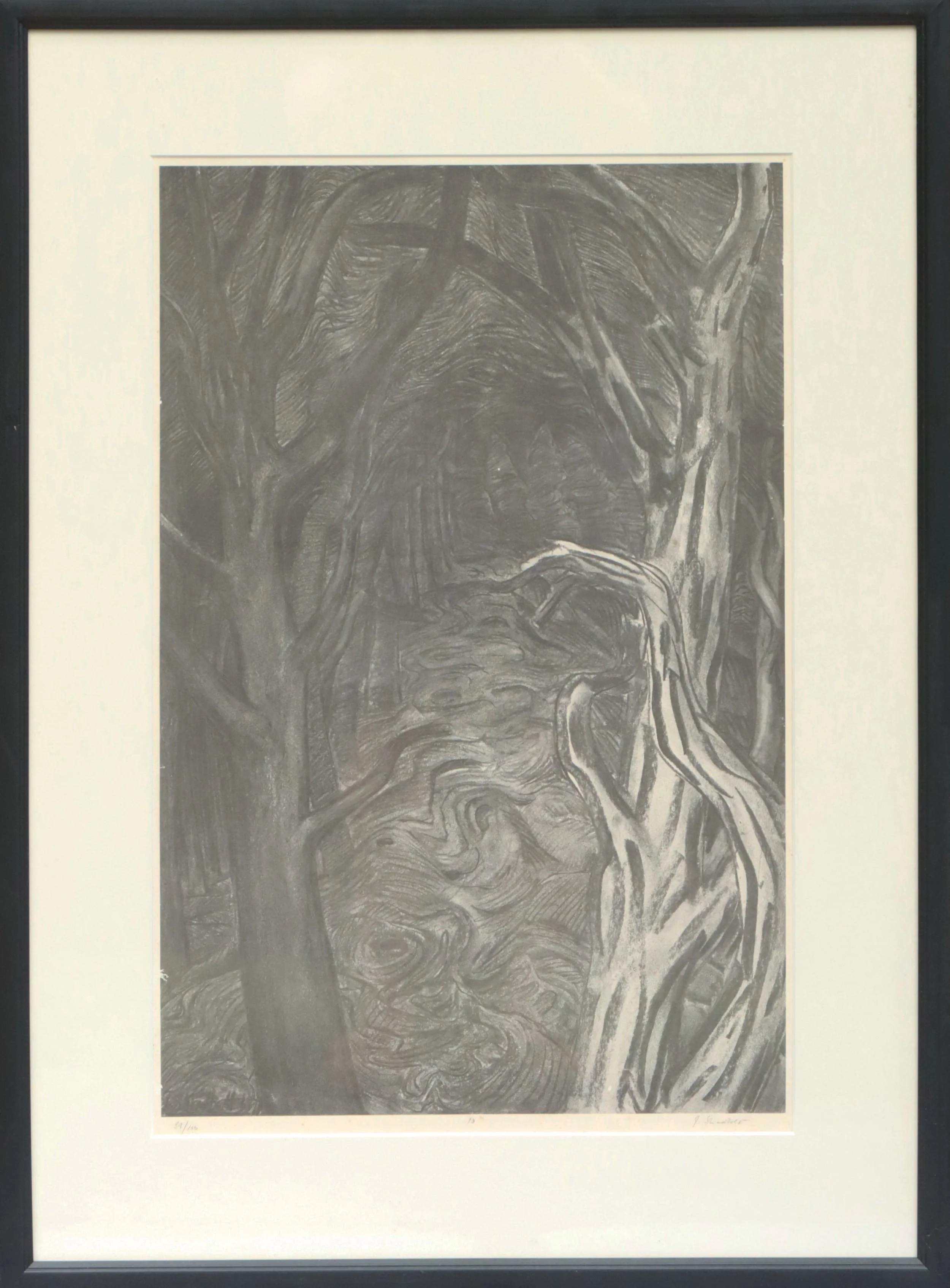
Jack Shadbolt. Hornby Suite #10, 1968-69 Lithograph print 89/150 22" x 14.5" $1,200
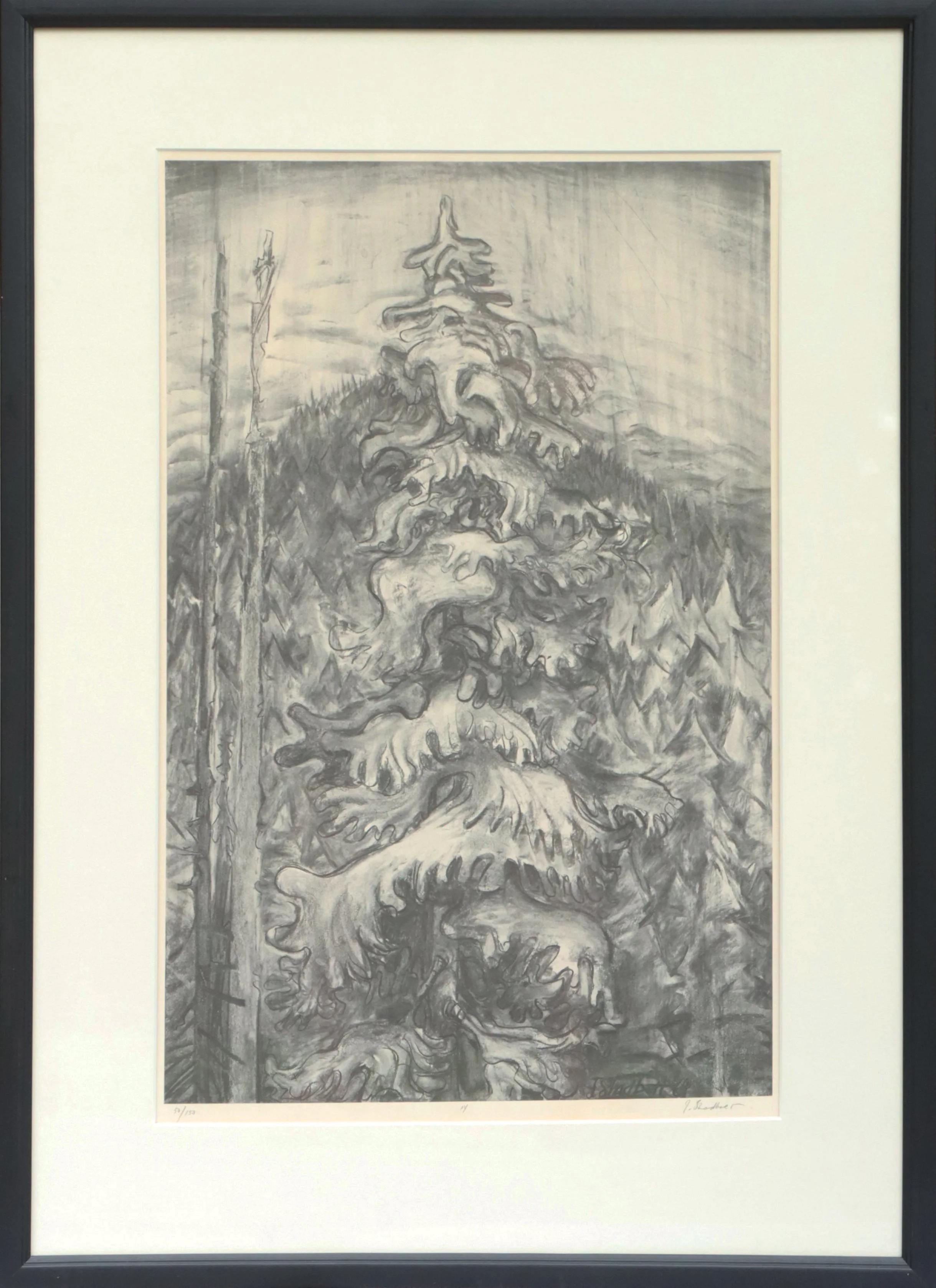
Jack Shadbolt. Hornby Suite #14, 1968-69 Lithograph print 50/150 22” x 14.5” $1,200
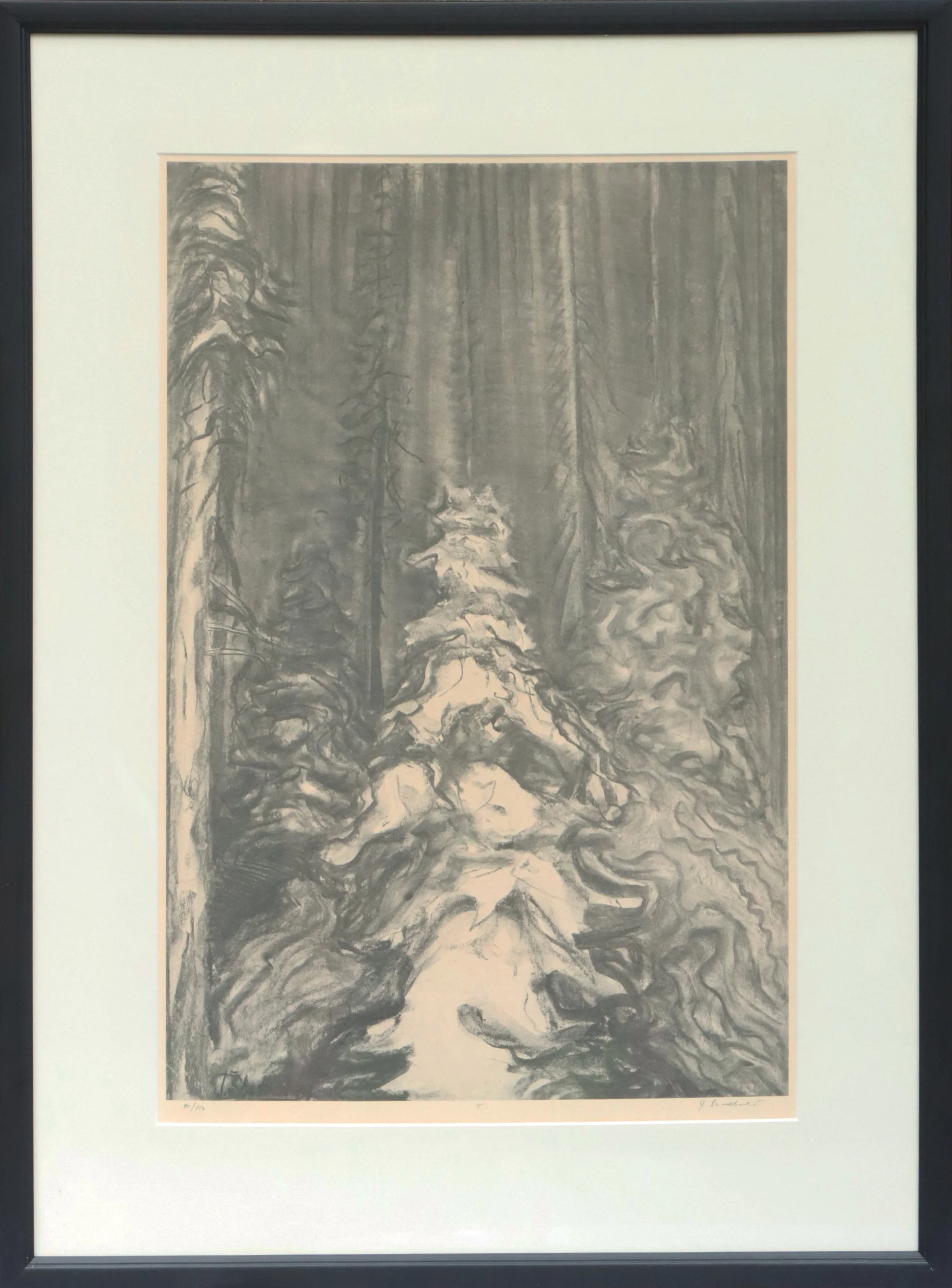
Jack Shadbolt. Hornby Suite #5, 1968-69 Lithograph print 50/150 22” x 14.5” $1,200
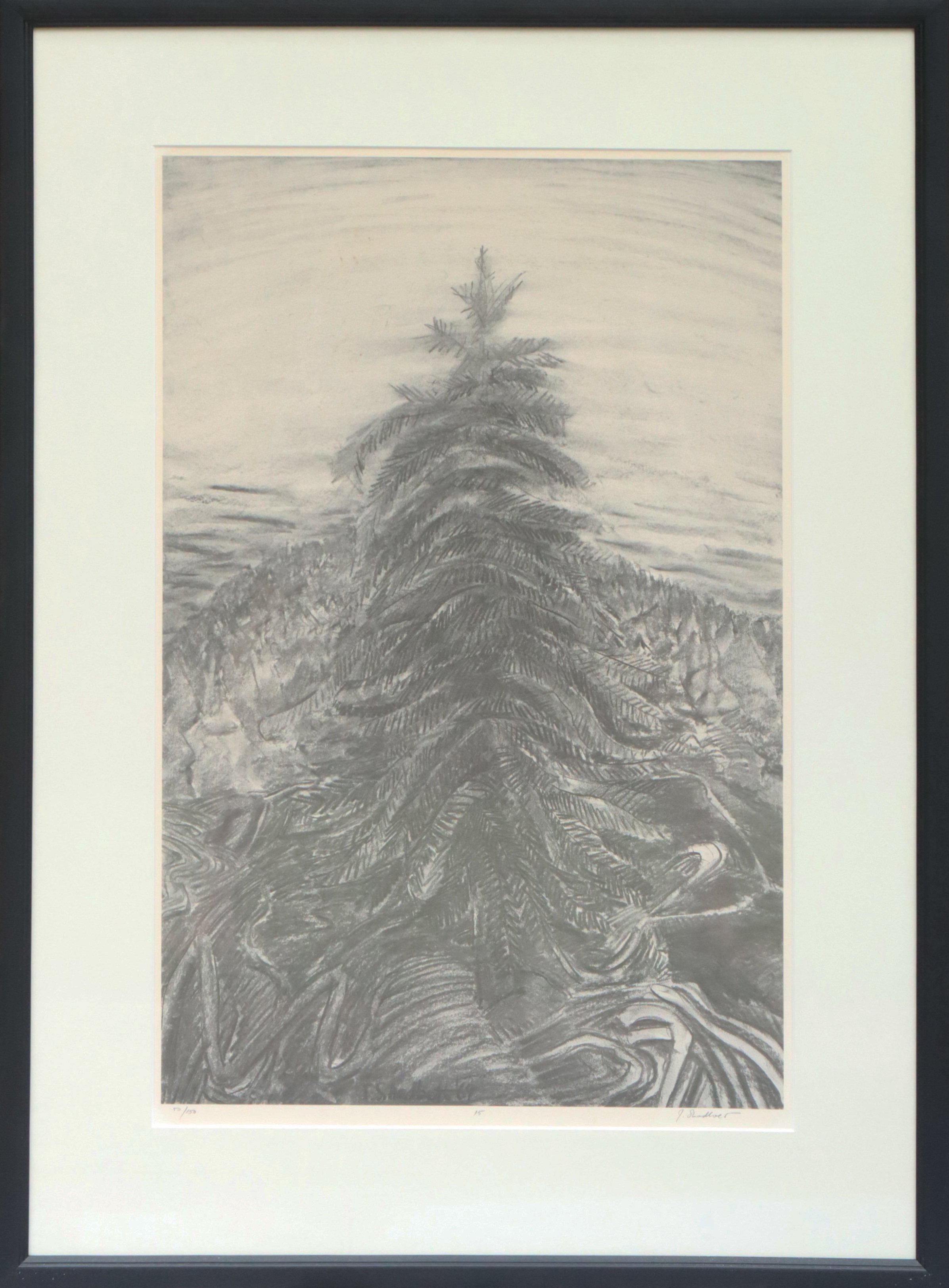
Jack Shadbolt Hornby Suite #15, 1968-69 Lithograph print 50/150 22” x 14.5” $1,200
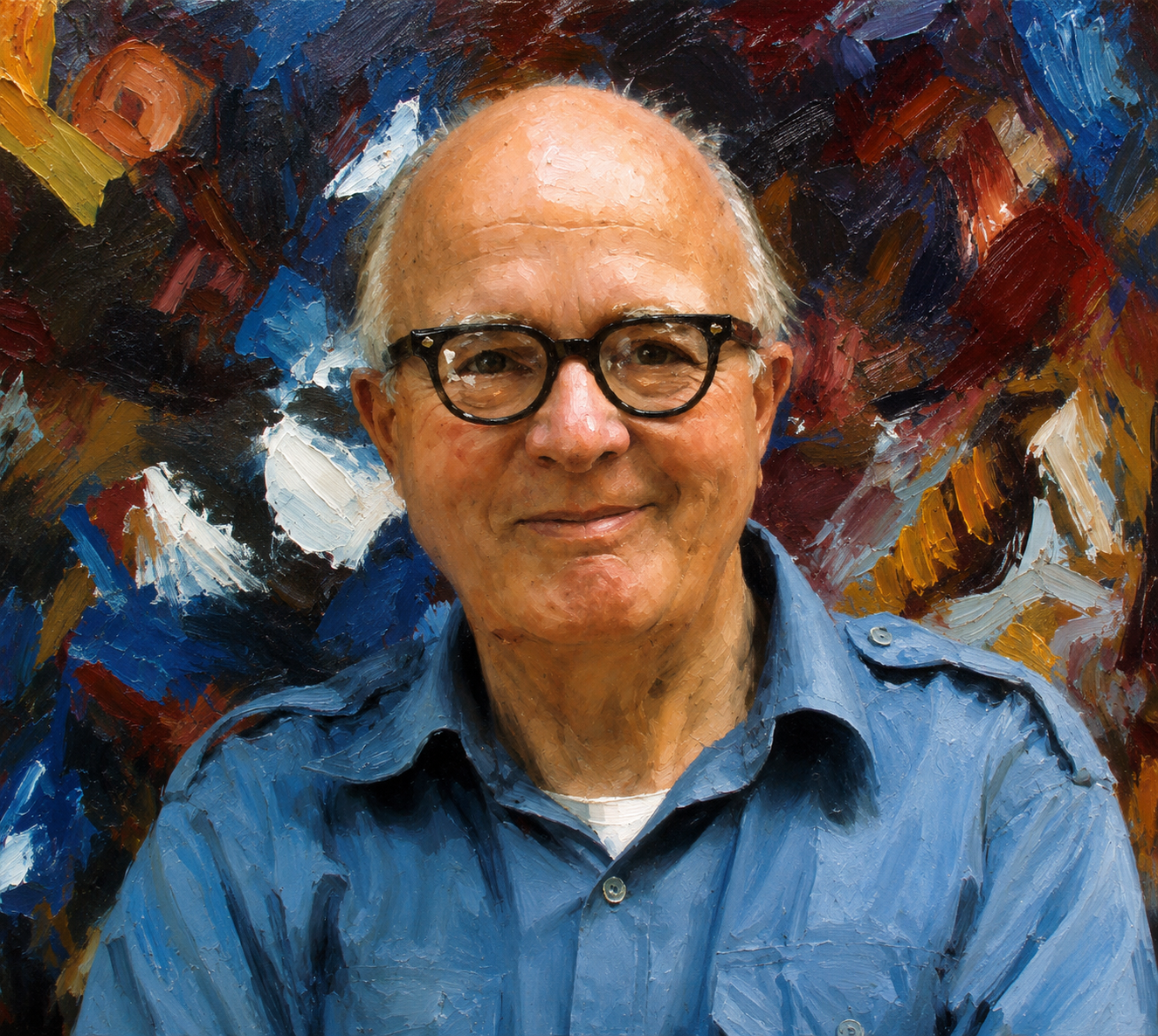
Jack Shadbolt stands among the most important figures in Canadian modern art history. Over a career that spanned more than six decades, Shadbolt helped redefine the visual language of Canadian painting by merging the raw physicality of the West Coast landscape with the emotional and intellectual breakthroughs of international modernism. His work occupies a critical place within the evolution of postwar abstraction in Canada, bridging regionalism, Surrealism, Abstract Expressionism, and deeply personal symbolic imagery into a singular and unmistakable voice.
For collectors, Shadbolt represents far more than a historically important Canadian painter. His work embodies a pivotal moment in Canadian art when artists began moving beyond landscape nationalism toward psychologically charged modernism rooted in lived experience, global conflict, and cultural transformation. Collecting Shadbolt means acquiring work connected to the foundational development of contemporary Canadian abstraction and one of the country’s most influential artistic legacies. His paintings possess both institutional significance and enduring emotional power, making them highly sought after by major collectors, museums, and scholars alike.
Born in Shoeburyness, England, in 1909, Shadbolt immigrated to British Columbia with his family as a child and grew up immersed in the dramatic landscapes of the Pacific Northwest. The forests, coastlines, and organic structures of the West Coast would become lifelong sources of inspiration. Early encounters with Emily Carr profoundly shaped his understanding of how landscape could become spiritually and emotionally expressive rather than merely descriptive. He later studied under Frederick Varley at the Vancouver School of Art before continuing his education in New York, London, and Paris, where he absorbed the ideas of European modernism and emerging abstraction.
The defining turning point in Shadbolt’s career came during the Second World War. Serving in the Canadian Army, he documented German POW camps in Canada and later worked in London cataloguing photographs from the liberation of the Belsen and Buchenwald concentration camps. Exposure to the devastation of war and the bombed ruins of London fundamentally altered his artistic philosophy. Shadbolt realized that destruction itself could function as a form of abstraction — fragments carrying greater emotional intensity than literal representation. This revelation became the conceptual foundation for his mature work.
Following the war, Shadbolt emerged as one of Canada’s leading abstract painters. His compositions evolved into dynamic fields of fractured forms, calligraphic marks, skeletal structures, and organic symbolism. Nature became central to his visual language, not as peaceful scenery, but as a force of perpetual transformation, survival, decay, and renewal. Butterflies, chrysalises, roots, leaves, and totemic forms became recurring motifs through which he explored themes of metamorphosis and psychological tension.
Throughout the 1950s and 1960s, Shadbolt established an international reputation through exhibitions, biennials, and public commissions. He represented Canada at the 1956 Venice Biennale alongside Harold Town and Louis Archambault and participated in the São Paulo Biennale and Carnegie International. Major retrospectives of his work were organized by the National Gallery of Canada and the Vancouver Art Gallery, affirming his place among the country’s most important modernists.
Beyond painting, Shadbolt was also a transformative educator and mentor. Returning to the Vancouver School of Art after the war, he eventually became Head of Painting and Drawing, influencing generations of artists across Canada. His role as the first visiting artist at the influential Emma Lake Artists’ Workshops in Saskatchewan further cemented his importance within Canadian art discourse.
His contributions were recognized nationally through numerous honours, including appointment as an Officer of the Order of Canada in 1972 and the Order of British Columbia in 1990. Together with his wife, curator and art historian Doris Shadbolt, he also established the Jack and Doris Shadbolt Foundation for the Visual Arts, which continues to support artists in British Columbia today.
Shadbolt’s legacy endures through his presence in major museum collections, his impact on Canadian abstraction, and the extraordinary emotional resonance of his work. His paintings remain deeply contemporary in their tension between structure and spontaneity, destruction and renewal, intellect and instinct. For collectors, acquiring a Shadbolt is not only an investment in an essential chapter of Canadian art history, but an opportunity to live with work that continues to challenge, energize, and reveal new dimensions over time.