
FLOYD ELZINGA
(b. 1966)
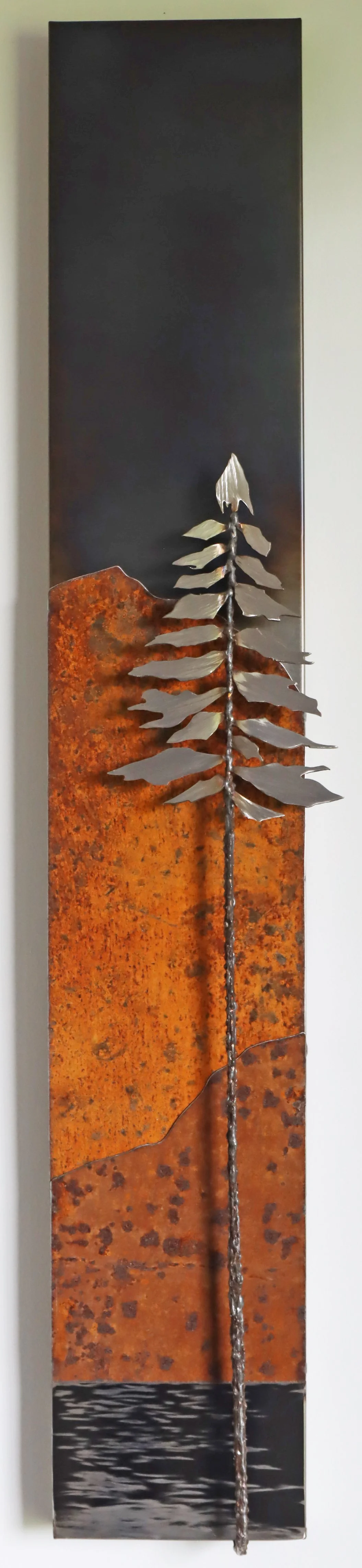
Floyd Elzinga. 21-341 Night Pine, 2021 steel, stainless steel and coated steal 36" x 6" $900
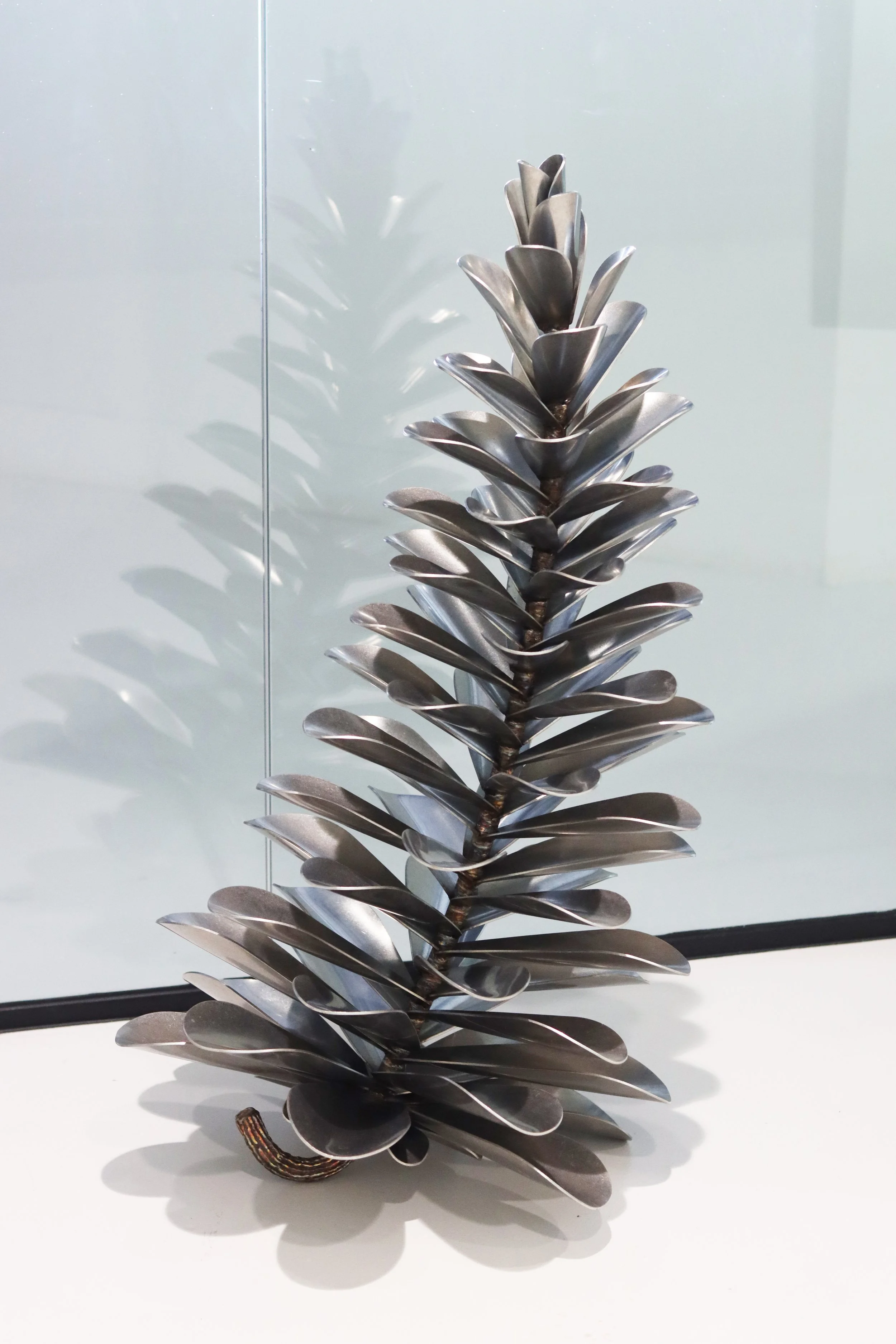
Floyd Elzinga 23-118 Pinecone, 2023 Stainless Steel 44" x 23" x 23" $5,400
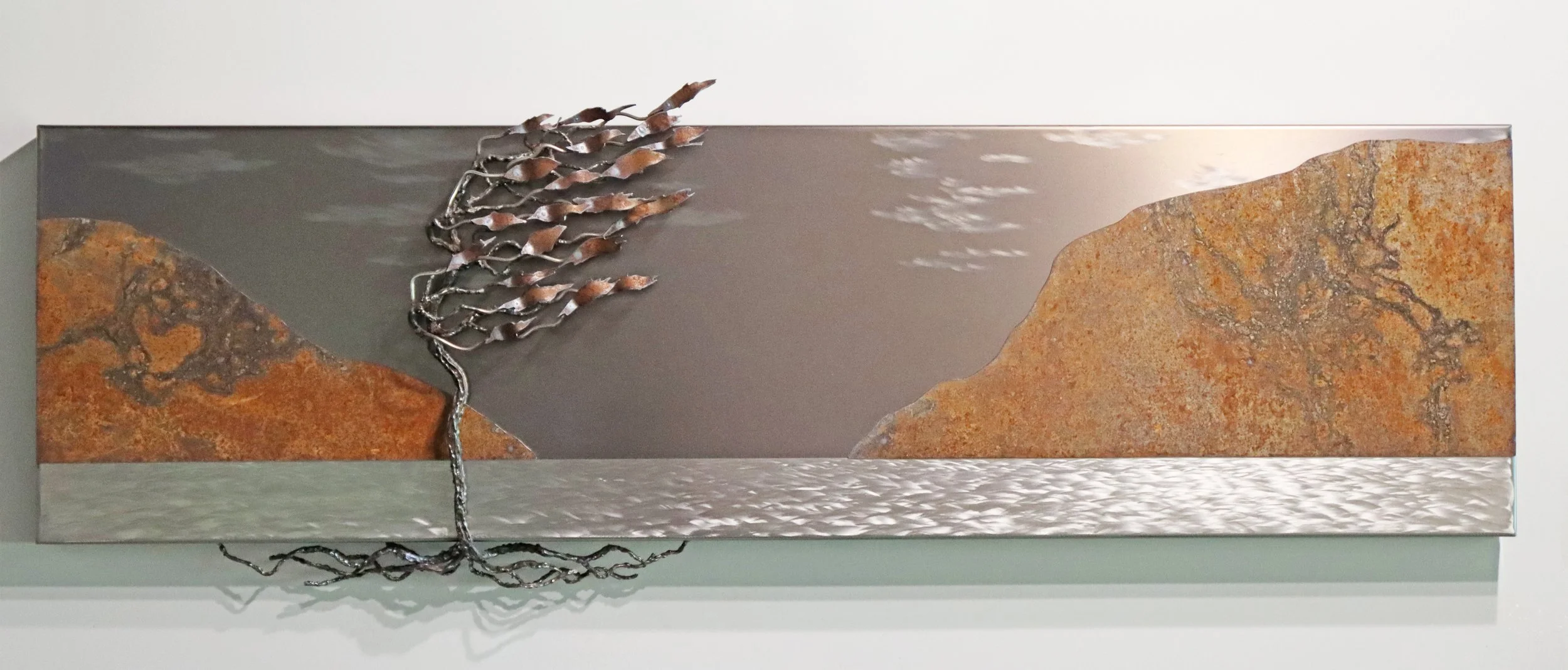
Floyd Elzinga. 21-326 Beyond, 2021 steel and stainless steel 14" x 50" $2,200

Floyd Elzinga Unzip the Earth (Zipper ART), 2017 Stainless steel 22" x 22" x 53" $10,000 (Originally $15,000)
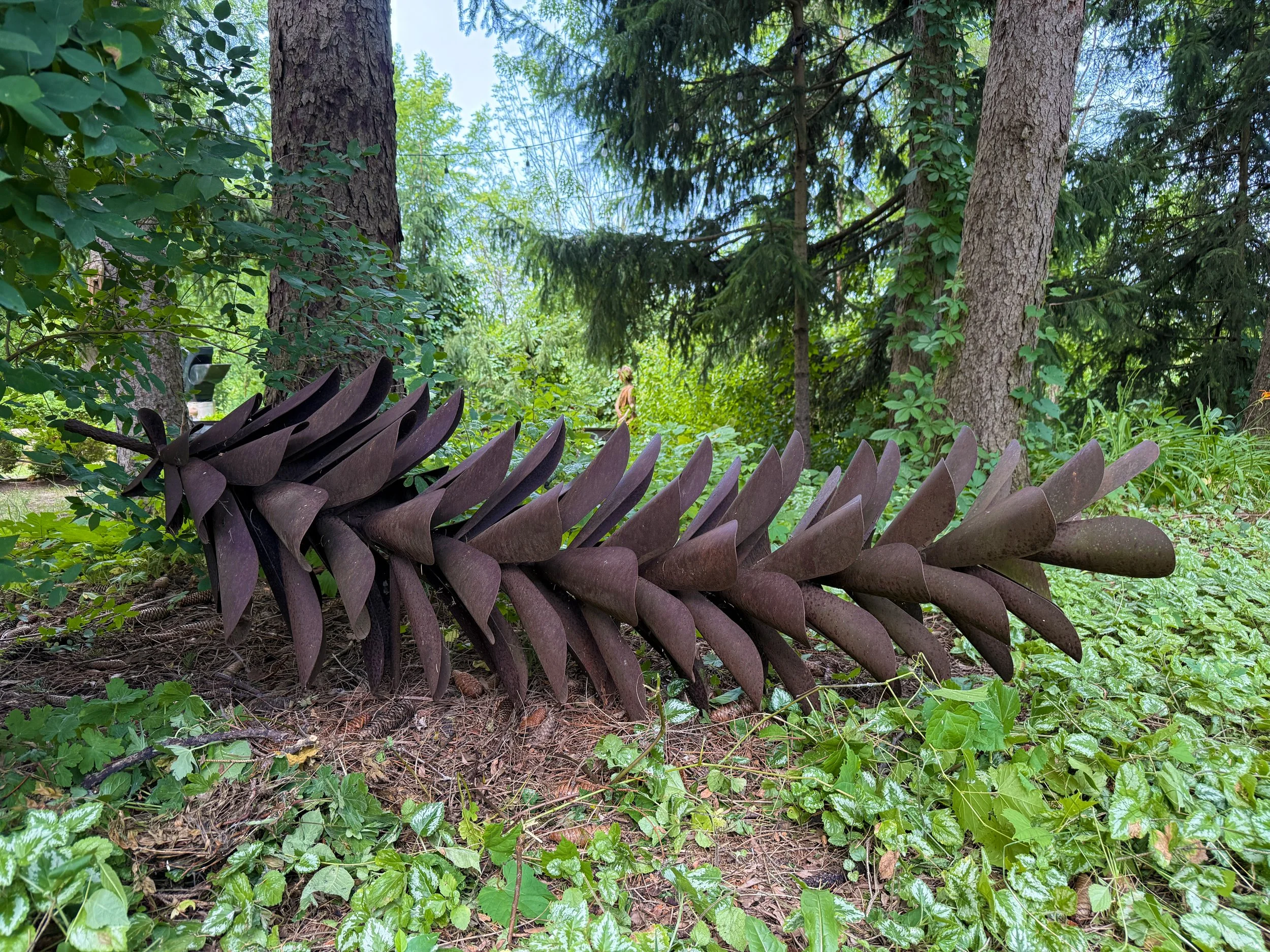
Floyd Elzinga Pinecone 1, 2013 corten steel 80" x 23" x 23" $10,000 (Originally $13,000)

Floyd Elzinga Prayer Seed, 2017 steel and stainless steel 30' x 16' $50,000
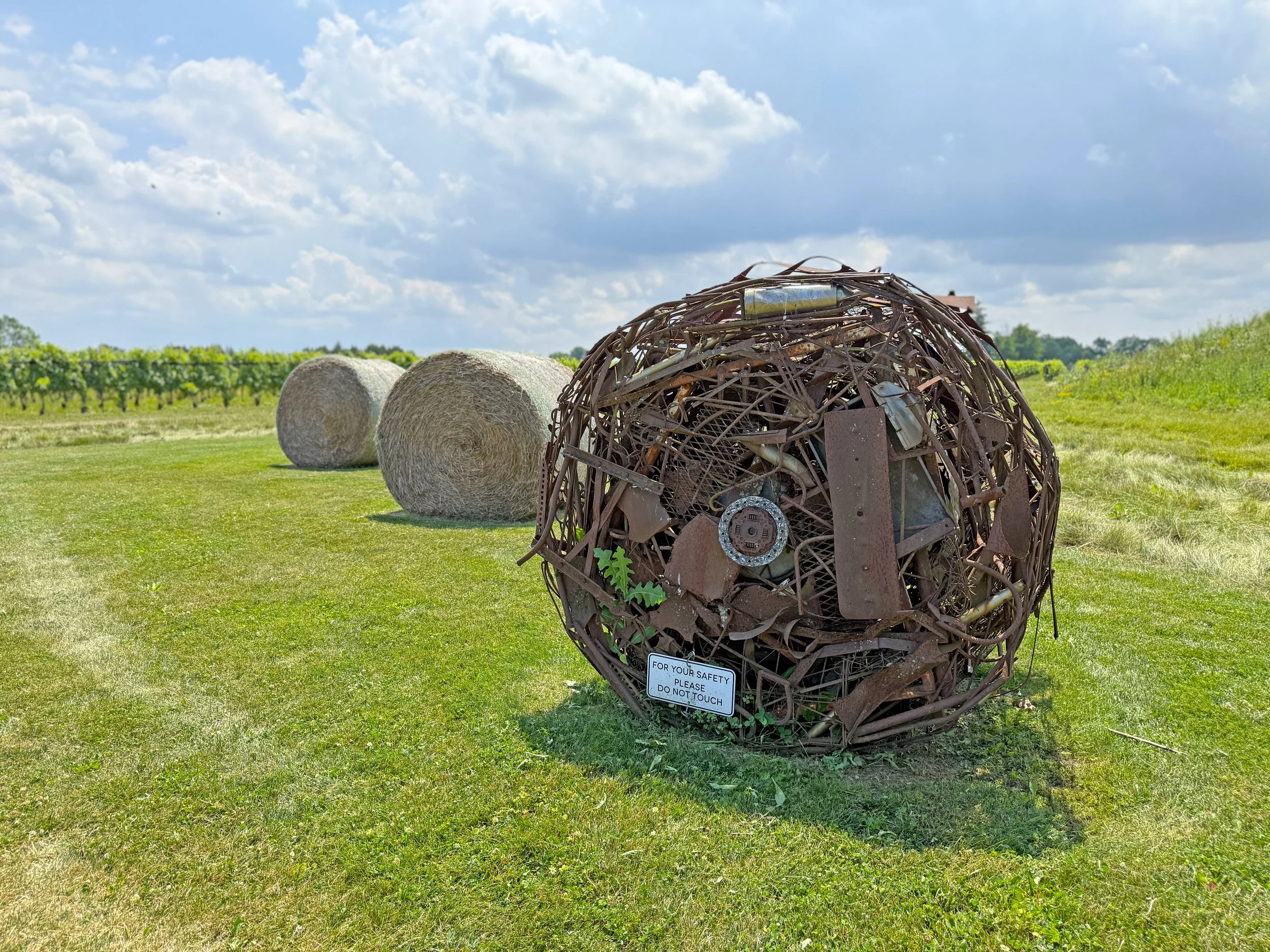
Floyd Elzinga Hey Baal, 2016 steel 62" x 57" x 48" $8,000 (Originally $12,000)
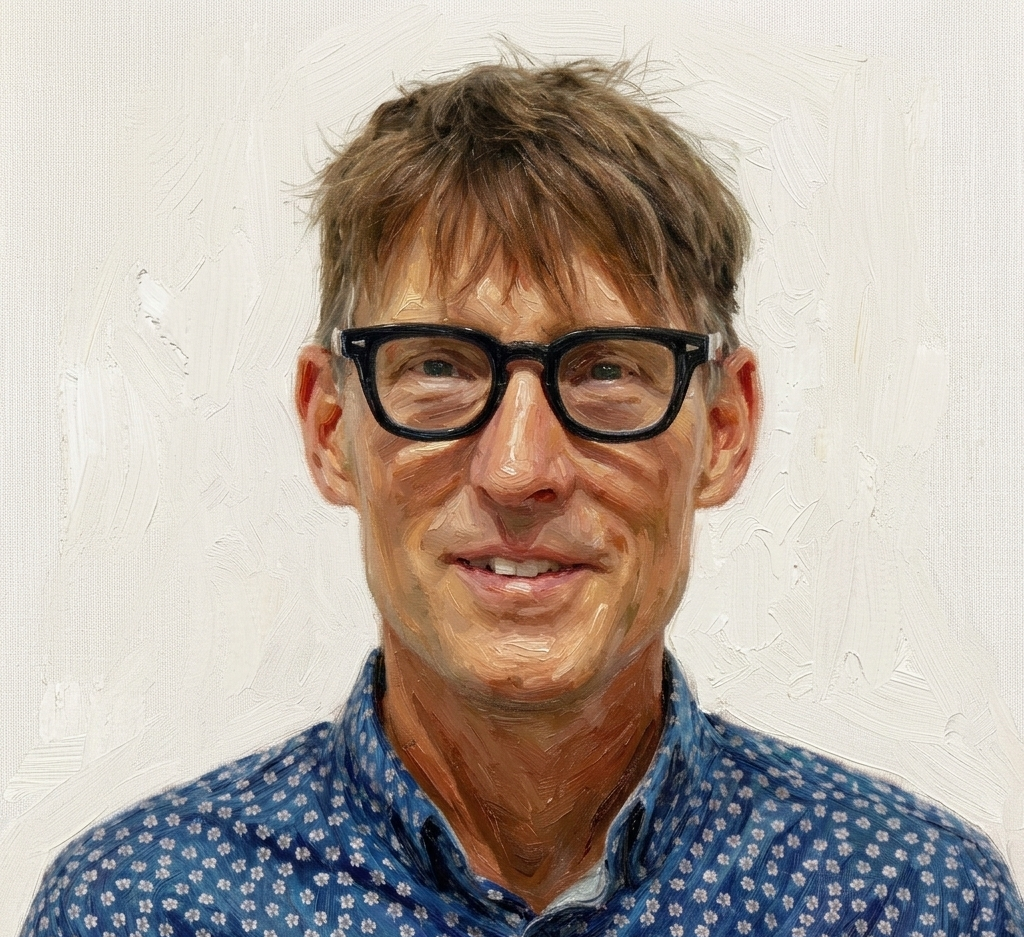
For collectors, the sculpture of Floyd Elzinga represents a rare convergence of material strength, environmental consciousness, and distinctly Canadian visual language. Elzinga’s work transforms steel and bronze into living expressions of landscape memory, decay, and renewal, making his practice especially compelling for collectors interested in contemporary sculpture that carries both aesthetic authority and philosophical depth.
Born in 1966, Elzinga is a Canadian sculptor known for large-scale indoor, outdoor, and installation-based works that explore the tension between natural fragility and structural permanence. Working primarily from his studio along the Niagara Escarpment in Ontario, he draws inspiration from the region’s dramatic geological formations, fractured vegetation, and wind-shaped terrain. His sculptures often elevate overlooked natural forms—broken branches, eroded stumps, invasive species, and seed structures—into monumental visual statements that invite reflection on survival, adaptation, and ecological balance.
Elzinga’s artistic foundation is unusually interdisciplinary. He holds a Bachelor of Fine Arts from the Nova Scotia College of Art and Design, a Certificate in Art Fundamentals from Sheridan College of Applied Arts and Technology, and a degree in Earth Sciences from McMaster University. This combination of scientific training and artistic education informs the intellectual structure of his work, allowing him to approach sculpture not only as form-making but as a study of natural processes, material behavior, and environmental narrative.
Central to Elzinga’s practice is his innovative treatment of metal. Initially drawn to steel for its plasticity and forgiving character, he employs grinding, heating, rusting, and polishing techniques to reveal complex surface ecologies within the material itself. The resulting textures function like painterly gestures across sculptural space, capturing light and shadow in ways that shift continuously with viewing conditions. Bronze and corten steel are also used to extend the chromatic and structural possibilities of his compositions, particularly in outdoor settings where weathering becomes part of the artwork’s life cycle.
Elzinga’s visual vocabulary is both iconic and immediately recognizable. Maple leaves, pinecones, wind-swept branches, and seed forms appear throughout his body of work, merging Canadian natural symbolism with a Pop-influenced emphasis on clarity, repetition, and emotional accessibility. Rather than depicting pristine nature, his sculptures celebrate brokenness and resilience, presenting ecological disturbance as a catalyst for regeneration. This perspective aligns his work with contemporary environmental discourse while maintaining strong formal elegance.
The artist has built a distinguished exhibition and public commission record across Canada and internationally. His works have been installed in municipal, corporate, and cultural environments, reflecting the versatility of his sculptural language. Major commissions include a branch-and-leaf sculpture created for Global Affairs Canada and installed at APEC Park in Da Nang, Vietnam, as well as permanent installations in Alberta, Ontario, and the United States. His sculptures are part of civic and institutional collections such as the City of Lacombe in Alberta, Kings Christian Collegiate in Oakville, Loretto College in Toronto, the Groves Welcome Center in Texas, and the Ritz-Carlton Hotel in Toronto.
Elzinga’s participation in public art programming extends to experimental and site-responsive projects, including installations for Nuit Blanche Toronto. These works demonstrate his ability to translate environmental concepts into immersive urban experiences, allowing audiences to encounter landscape memory within contemporary cultural spaces.
A significant chapter in his recent practice was the 2022–2023 Everest residency, during which Elzinga created sculptures from debris collected on the mountain. The project embodied his belief in environmental responsibility and artistic hope, transforming discarded materials from one of the world’s most extreme environments into works that speak to endurance, fragility, and renewal. This residency reinforced the ethical and conceptual core of his artistic philosophy: that beauty can emerge even from conditions of adversity.
Collector’s Perspective:
Collectors are particularly drawn to Elzinga’s work for its balance of technical mastery and emotional resonance. His sculptures function simultaneously as decorative architectural elements, environmental commentaries, and symbolic objects of contemplation. The durability of steel and bronze ensures long-term physical stability, while the timeless imagery of natural forms supports enduring market relevance.
In the contemporary Canadian sculpture market, Elzinga occupies a distinctive position between public art tradition and collectible studio sculpture. His works appeal to collectors who value environmentally engaged art, sophisticated material craftsmanship, and works that maintain strong presence in both interior and exterior architectural settings.
As Elzinga has expressed, even in difficult conditions there exists the possibility of transformation and meaning. This philosophy is embedded in every sculpture he creates. For collectors, acquiring a work by Floyd Elzinga is not only an aesthetic investment but also a commitment to a vision of nature where resilience, continuity, and quiet strength are celebrated as enduring cultural values.
For images and acquisition details, please contact us.