
ALEX CHORNY
(b. Burlington, Ontario)

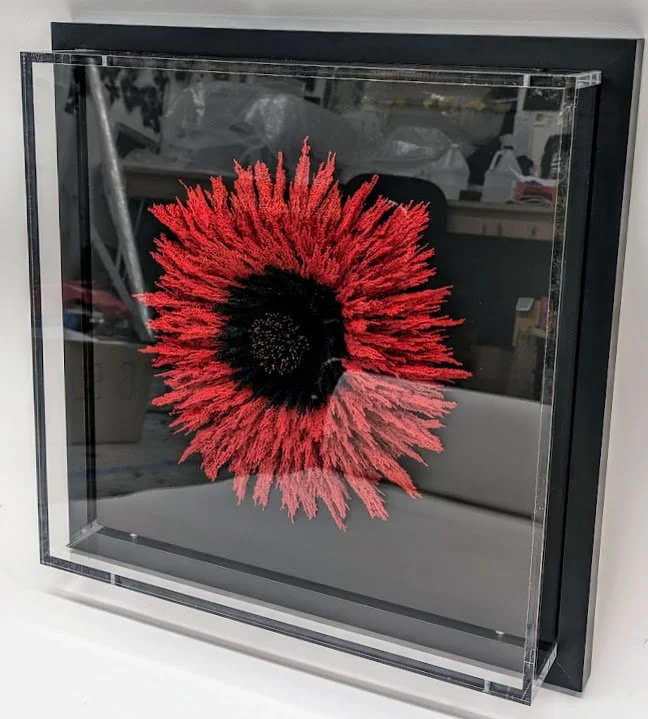
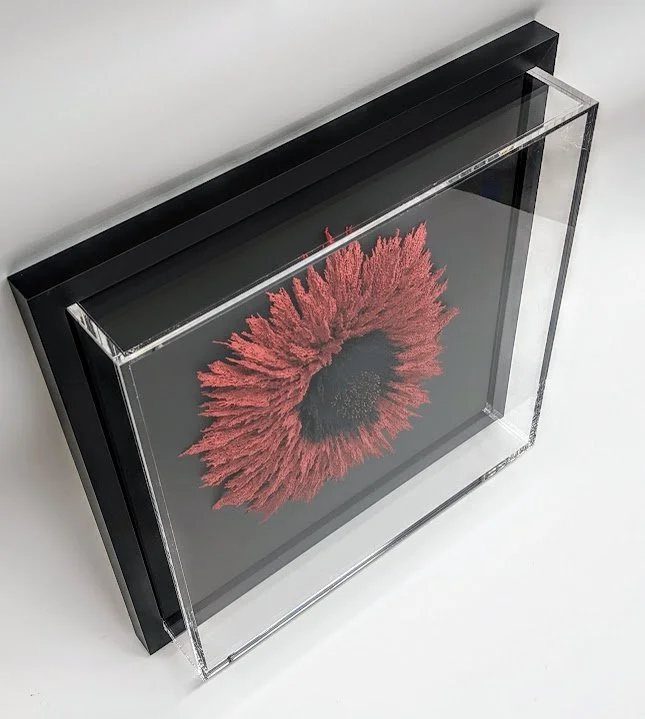
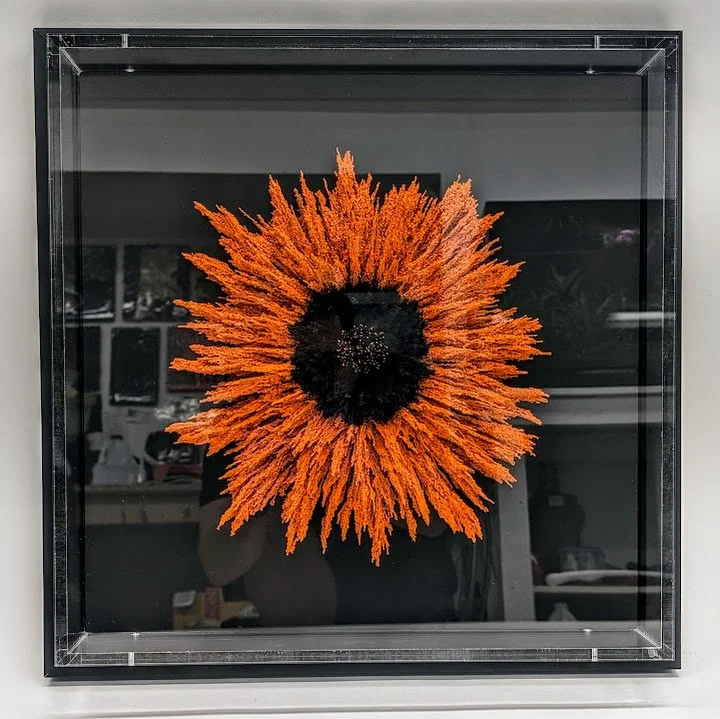
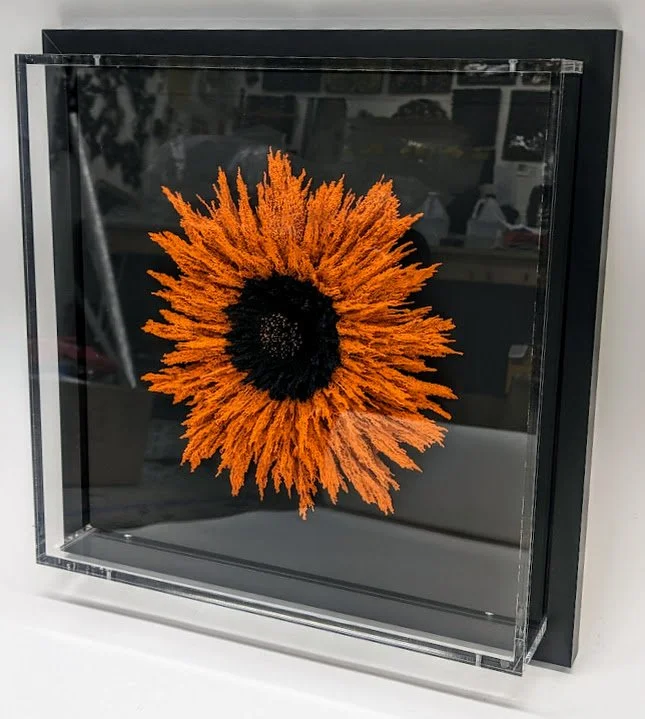
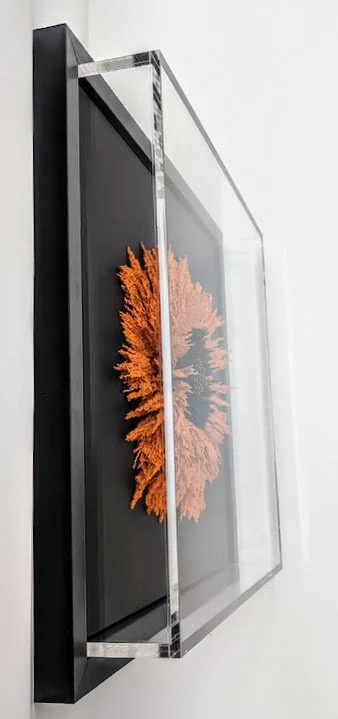
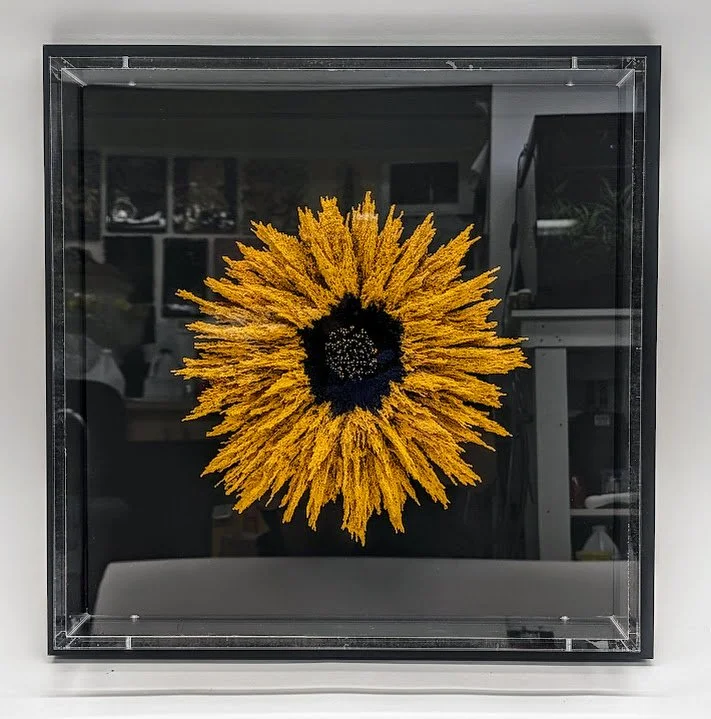
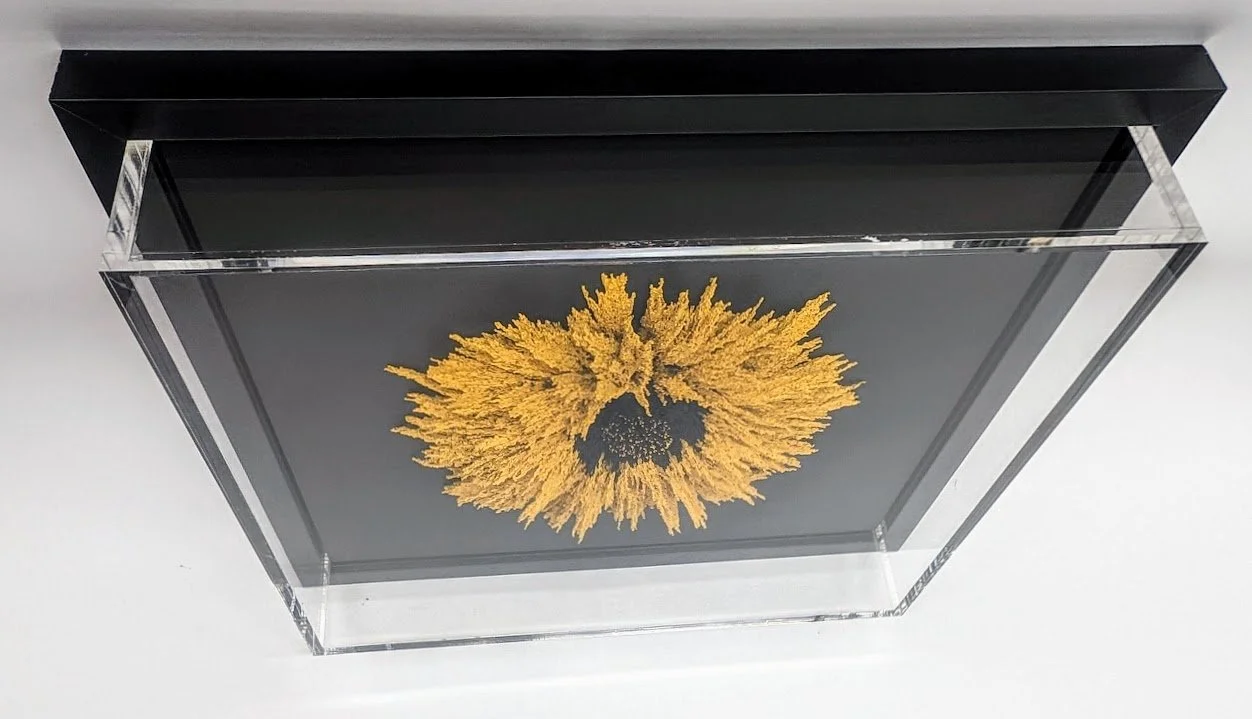
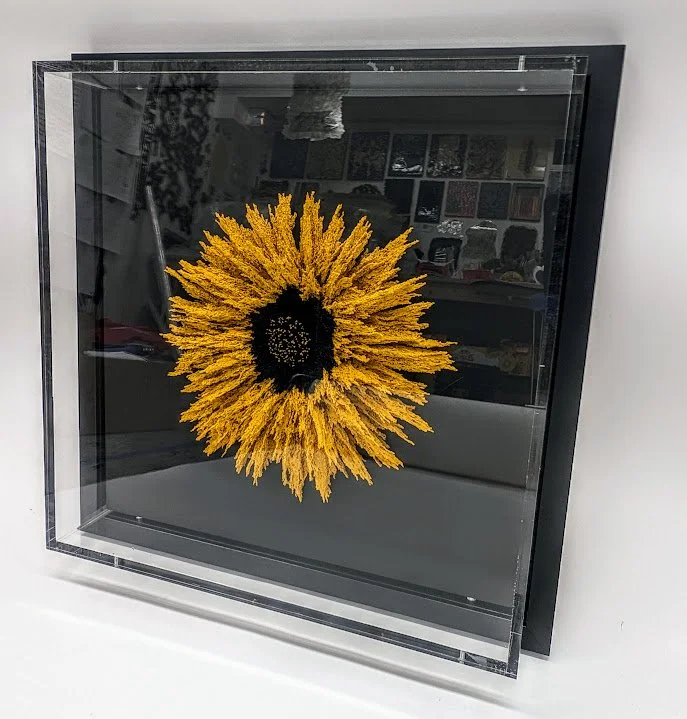
Alex Chorny Untitled (24-011), 2024 magnetized mixed media on painted wood framed 21" x 21" x 4.5" $2,000

Alex Chorny Untitled (24-010), 2024 magnetized mixed media on painted wood framed 21" x 21" x 4.5" $2,000

Alex Chorny Untitled (24-009), 2024 magnetized mixed media on painted wood framed 21" x 21" x 4.5" $2000

Alex Chorny. Untitled, 2024 (24-033) magnetized mixed media on wood panel 19.75" x 19.75" $2,000

Alex Chorny. Untitled, 2024 (24-041) magnetized mixed media on wood panel 21.5" x 17.5" $2,000

Alex Chorny. Untitled, 2024 (24-042) magnetized mixed media on wood panel 21.5" x 17.5" $2,000

Alex Chorny. Untitled, 2024 (24-046) magnetized mixed media & mica on wood panel 23.5" x 17.5" $2,000

Alex Chorny. Untitled, 2024 (24-047) magnetized mixed media on wood panel 23.5" x 17.5" $2,000

Alex Chorny. Untitled, 2024 (24-019) magnetized iron powder on painted wood panel 35.5" x 23.5" $2,600

Alex Chorny. Untitled, 2024 (24-017) magnetized iron powder on painted wood panel 35.5" x 23.5" $2,600

Alex Chorny. Untitled, 2024 (24-018) magnetized iron powder on painted wood panel 35.5" x 23.5" $2,600

Alex Chorny. Untitled, 2024 (24-020) magnetized iron powder on painted wood panel 35.5" x 23.5" $2,600

Alex Chorny. Untitled #21, 2021 iron, resin on panel 14" x 11" $1,200

Alex Chorny. Untitled, 2024 (24-013) magnetized mixed media on wood panel 17" x 15" $1,200

Alex Chorny. Untitled #1, 2021 iron, resin on panel 13" x 12" $1,200

Alex Chorny. Untitled, 2024 (24-031) 13.75" x 13.75" magnetized mixed media on wood panel 13.75" x 13.75" $1,000
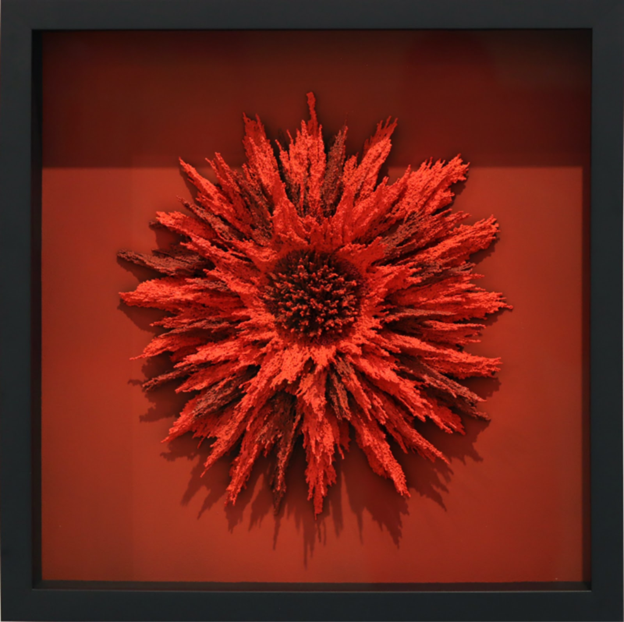
Alex Chorny. Untitled, 2024 (24-032) magnetized mixed media on wood panel 19.75" x 19.75" $2,000

Alex Chorny. Untitled, 2024 (24-034) magnetized mixed media on wood panel 19.75" x 19.75" $2,000

Alex Chorny. Untitled, 2024 (24-036) magnetized mixed media on wood panel 19.75" x 19.75" $2,000
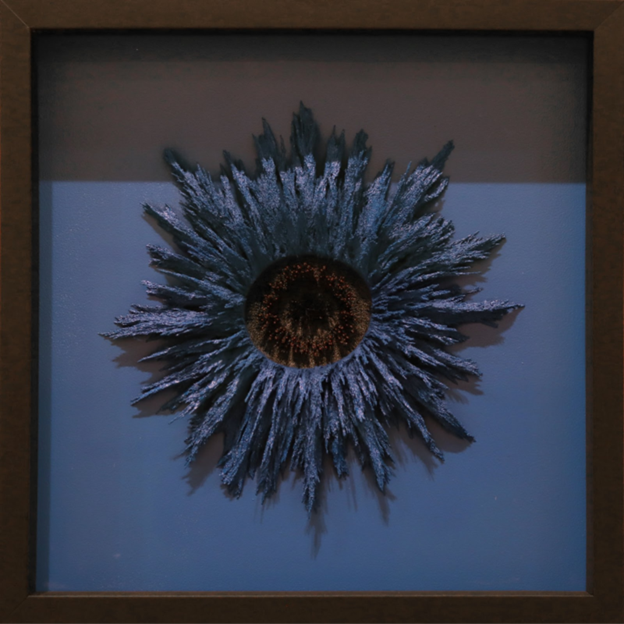
Alex Chorny. Untitled, 2024 (24-035) magnetized mixed media on wood panel 19.75" x 19.75" $2,000

Alex Chorny. Untitled, 2024 (24-037) magnetized mixed media and mica flakes on wood panel 19.75" x 19.75" $2,000

Alex Chorny. Untitled, 2024 (24-038) magnetized mixed media on wood panel 19.75" x 19.75" $2,000

Alex Chorny. Untitled, 2024 (24-039) magnetized mixed media and mica on wood panel 19.75" x 19.75" $2,000

Alex Chorny. Untitled, 2024 (24-040) magnetized mixed media and mica on wood panel 19.75" x 19.75" $2,000

Alex Chorny. Untitled, 2024 (24-049) magnetized mixed media and glass shards on wood panel 23.5" x 17.5" $2,000

Alex Chorny. Untitled, 2024 (24-048) magnetized mixed media on wood panel 23.5" x 17.5" $2,000

Alex Chorny. Untitled, 2024 (24-045) magnetized mixed media on wood panel 19.75" x 29.75" $2,000

Alex Chorny. Untitled, 2024 (24-044) magnetized mixed media and glass on wood panel 19.75" x 19.75" $2,000

Alex Chorny. Untitled, 2024 (24-043) magnetized mixed media on wood panel 22.25" x 18.25" $2,000

Alex Chorny. Untitled, 2023 (23-001) magnetized mixed media on wood panel 18" x 32" $2,500

Alex Chorny Untitled, 2024 (24-021) magnetized mixed media and mica on wood panel 37" x 25" $3,200

Alex Chorny. Untitled, 2024 (24-022) magnetized mixed media and mica on wood panel 37" x 25" $3,200

Alex Chorny. Untitled, 2024 (24-023) magnetized mixed media on mica on wood panel 37" x 25" $3,200

Alex Chorny. Untitled, 2024 (24-024) magnetized mixed media and mica on wood panel 37" x 25" $3,200

Alex Chorny. Untitled, 2024 (24-025) bookmatched muscovite mica sheets on melamine 32.5" x 25.25" $1,650

Alex Chorny. Untitled, 2024 (24-030) bookmatched muscovite mica sheets on melanine 29.5" x 28.5" $1,650

Alex Chorny. Untitled, 2024 (24-028) bookmatched muscovite mica sheets on melamine 28.75" x 25" $1,650

Alex Chorny. Untitled, 2024 (24-029) bookmatched muscovite mica sheets on melamine 33.25" x 32.75" $1,750

Alex Chorny. Untitled, 2024 (24-026) bookmatched muscovite mica sheets on melamine 41.25" x 29.5" $1,750

Alex Chorny. Untitled, 2024 (24-027) bookmatched muscovite mica sheets on melamine 38" x 33" $1,750
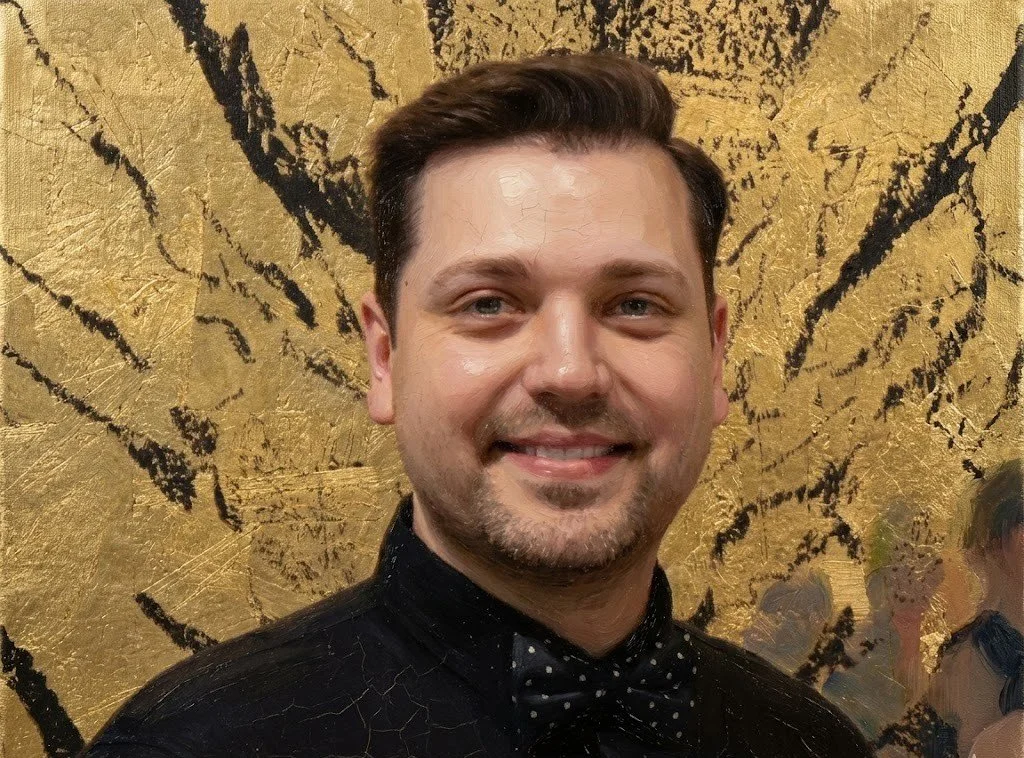
Alex Chorny represents a compelling new direction in contemporary Canadian art, offering collectors access to an emerging practice that bridges scientific inquiry and visual innovation. As Canadian art continues to expand beyond traditional boundaries, Chorny’s work stands out for its intellectual ambition, technical experimentation, and commitment to redefining what art can be in the twenty-first century. For collectors seeking forward-looking work that reflects the evolution of contemporary Canadian practice, his art offers both conceptual depth and distinctive visual presence.
Based in Burlington, Ontario, Chorny is an interdisciplinary artist whose practice explores the intersection of science, philosophy, and visual expression. His unusual academic background—spanning Studio Art at Brock University’s Marilyn I. Walker School of Fine and Performing Arts, along with studies in Life Sciences and Accounting & Finance at the University of Waterloo—shapes a uniquely analytical yet intuitive artistic perspective. This multidisciplinary foundation supports his belief that creativity emerges most powerfully when knowledge systems interact.
Chorny’s artistic philosophy centres on the idea that art functions as a connective language across human disciplines. Drawing from historical traditions that challenged established artistic conventions, his work seeks to reconsider the material and conceptual limits of painting and visual form. Rather than relying on traditional art-making methods, Chorny explores experimental processes that engage natural forces such as magnetism and gravity, positioning scientific phenomena as both medium and subject.
Through material experimentation, his works reveal the often-unseen structures that shape the physical world. Patterns of symmetry, tessellation, and energy-like visual movement frequently appear in his compositions, reflecting influences from mineralogy, mathematics, and physics. These visual systems transform complex natural principles into accessible aesthetic experiences, allowing viewers to engage with scientific ideas through intuitive perception.
A defining strength of Chorny’s practice is the dialogue between macrocosmic and microcosmic perspectives. His work invites contemplation of the fundamental interconnectedness of natural systems, from subatomic structures to universal geometries. Rather than presenting science and art as separate domains, his practice proposes a unified visual philosophy in which logic and intuition coexist.
Aesthetically, Chorny’s work is characterized by precision, restraint, and conceptual sophistication. The controlled structure of his compositions is often balanced by the unpredictable influence of natural forces, creating a visual tension between human intention and the autonomy of physical phenomena. This balance between order and emergence gives his work a meditative yet intellectually engaging quality.
For collectors, Chorny’s art offers an opportunity to acquire work from a developing Canadian artist whose practice aligns with the growing global interest in interdisciplinary and science-informed contemporary art. His pieces function equally well in private collections, modern architectural spaces, and forward-thinking institutional environments, where they operate as both visual experience and conceptual dialogue.
As his career continues to develop, Alex Chorny’s contribution to Canadian contemporary art lies in his ability to expand the language of visual creation beyond traditional material and disciplinary limits, positioning his work within the next generation of Canadian artistic innovation.
Collector’s Perspective:
Since his representation with John Mann Gallery and his first exhibition in 2021, Alex Chorny has begun establishing a thoughtful and steadily developing presence within the contemporary Canadian art market. His work occupies a unique niche where scientific curiosity meets visual abstraction, attracting collectors who are interested in conceptually driven emerging practice. While still in the early stages of market formation, his exhibition history and growing collector interest suggest a trajectory of measured but meaningful recognition rather than rapid speculative movement.
Chorny’s career remains in an experimental developmental phase, which offers collectors the rare opportunity to acquire work before broader market visibility fully matures. His practice is characterized by ongoing material and conceptual exploration, meaning each body of work reflects an active investigation rather than a closed stylistic period. For collectors, this stage of an artist’s career is often the most rewarding, as it allows them to participate directly in the shaping of the artist’s legacy while securing works that reflect the foundational evolution of the practice.
Owning Chorny’s work at this stage provides the satisfaction of supporting a promising emerging Canadian artist while acquiring visually and intellectually engaging art that is likely to remain relevant as his career progresses. His interdisciplinary approach positions his practice well within contemporary collecting trends that favour innovation, science-informed abstraction, and conceptually grounded art. As his exhibition exposure and institutional interest grow, early works from this period may represent an important chapter in the development of his artistic voice.
For images and acquisition details, please contact us.
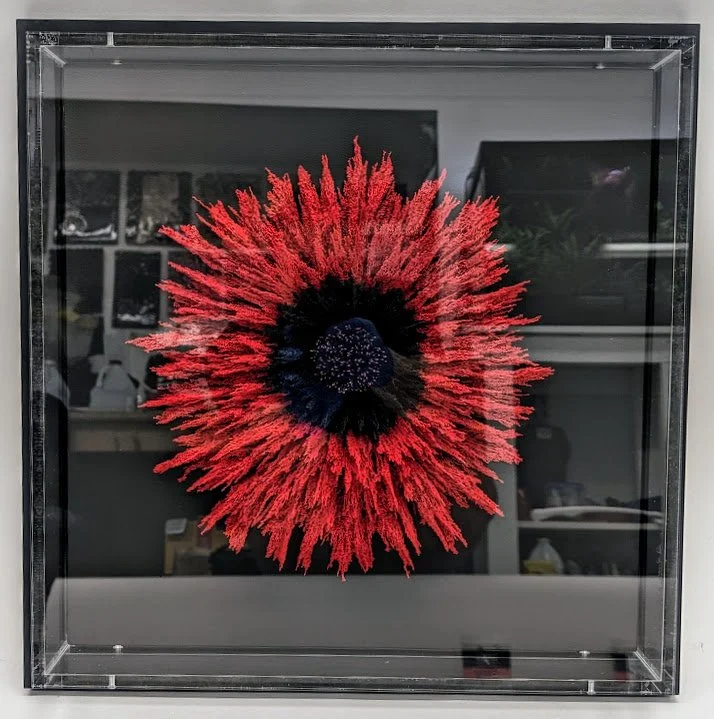
Emily Vukovic of CHCH interviews Canadian Contemporary artist Alex Chorny
🎥 On September 26, 2023, Emily Vukovic of CHCH meets with emerging artist Alex Chorny to discuss his innovative practice and the unique ways he bridged science and art through experimental techniques involving magnetism and gravity.
After graduating from Brock University’s Studio Art Honours Program, Alex quickly gained recognition and was represented by the John Mann Gallery, marking an exciting chapter in his career.